Powered by
-
Car Reviews
Latest reviews
-
Car News
Latest news
-
Car Comparisons
Latest comparisons
- Chasing Deals
Latest reviews
Latest news
Latest comparisons
Rear-wheel drive and hotter all-wheel drive models on their way before i3 range is crowned by an electric M3 in a remarkably broad lineup
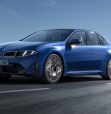
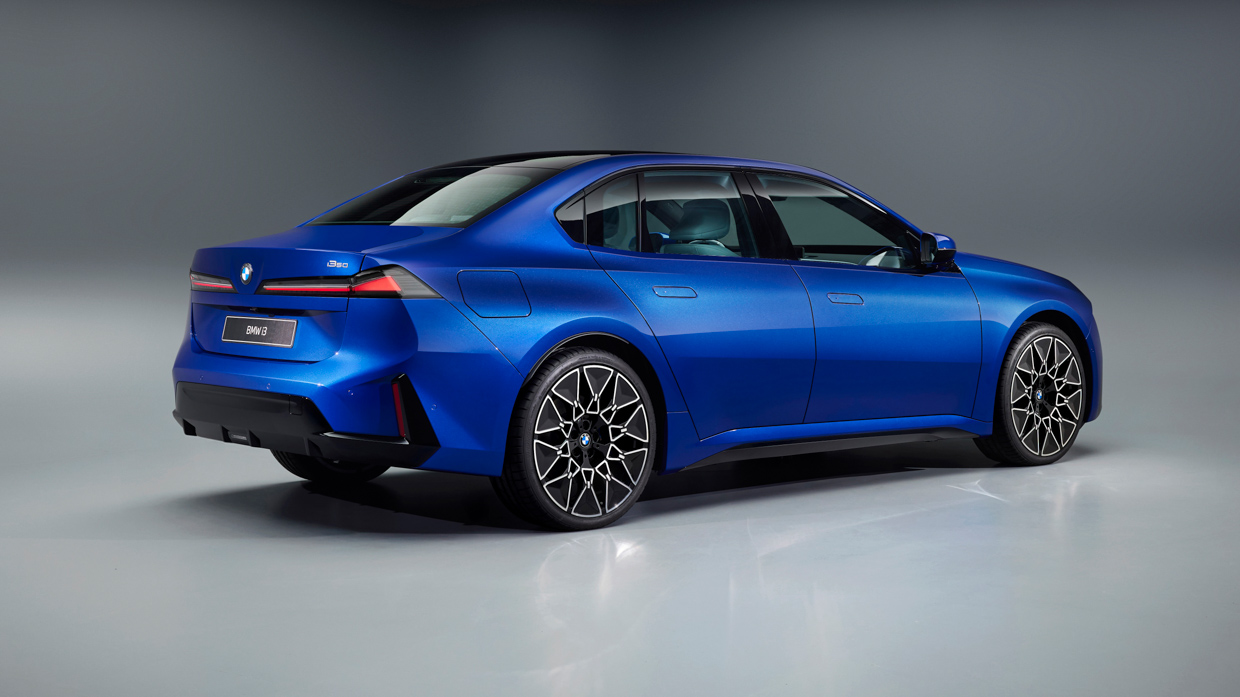
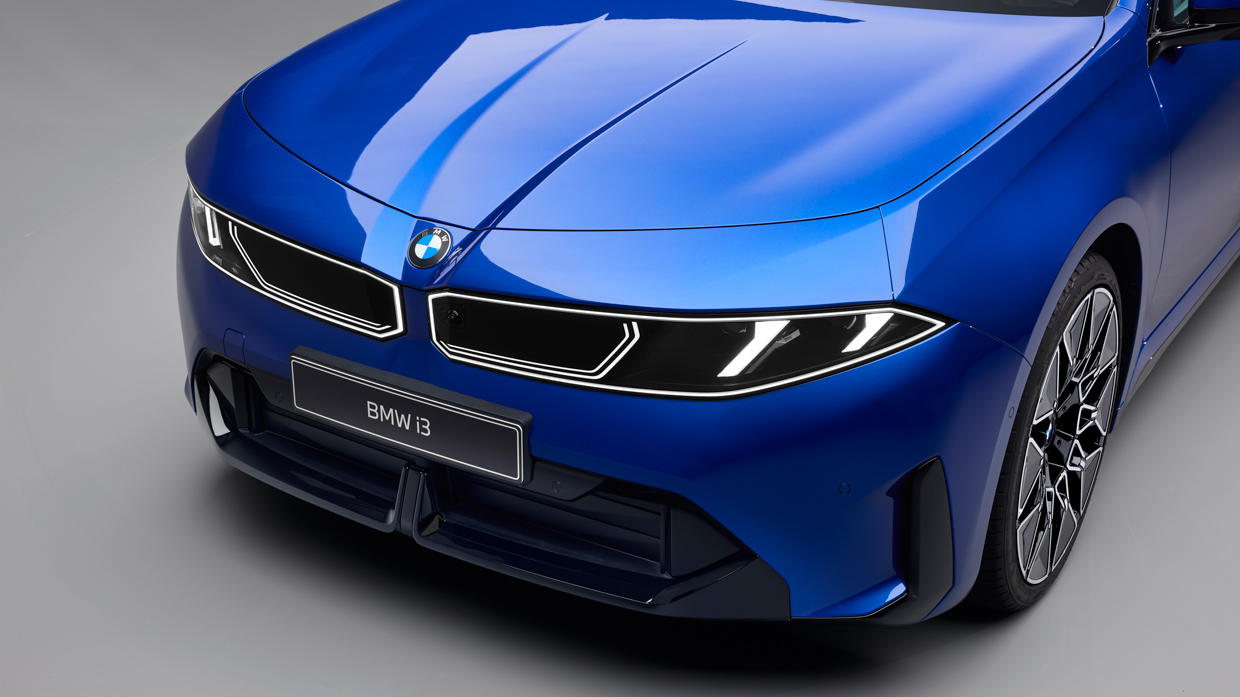
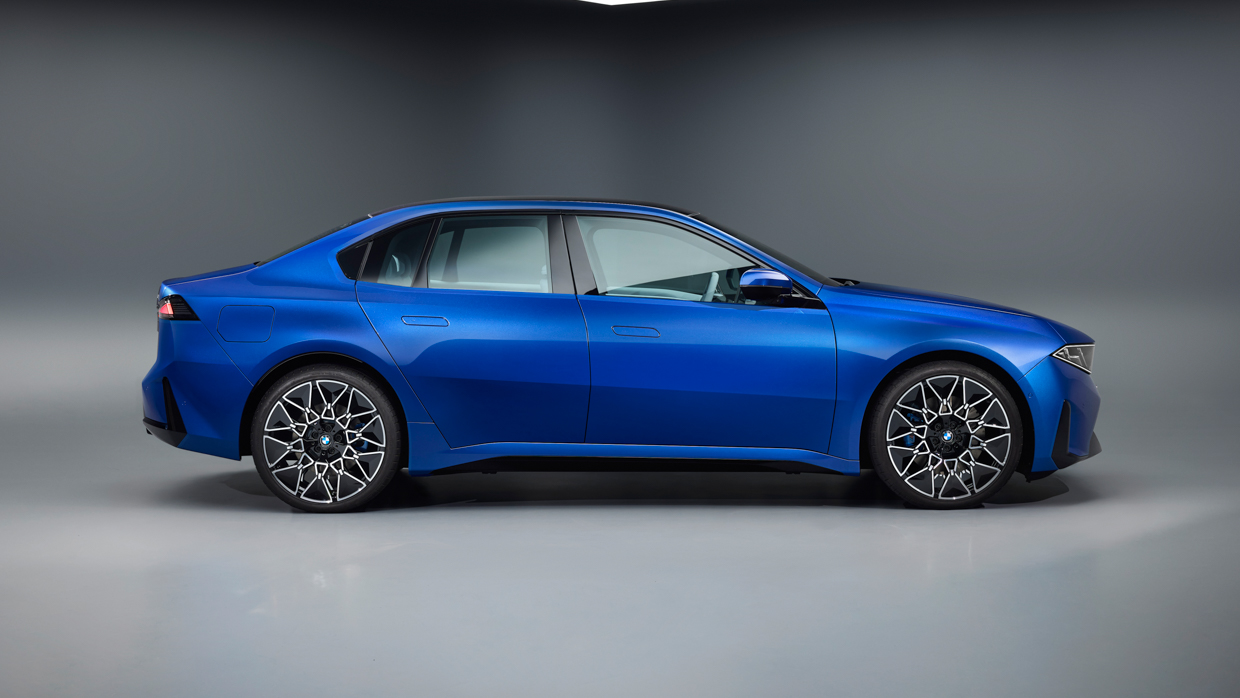
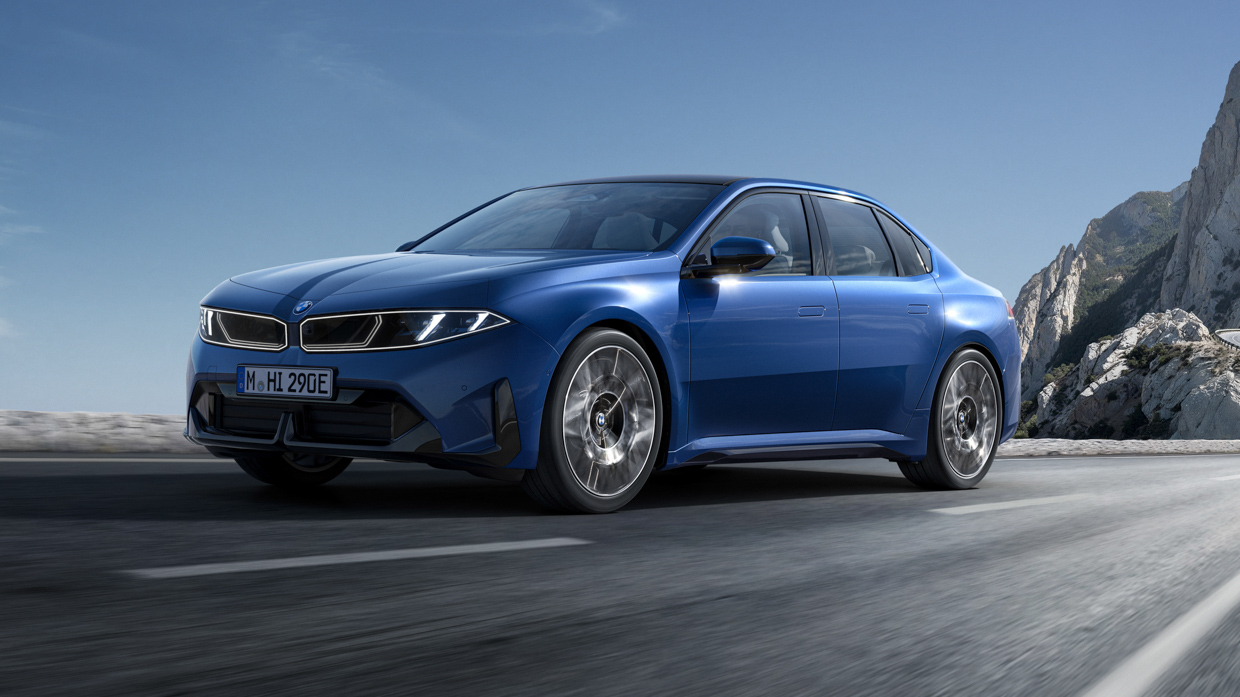
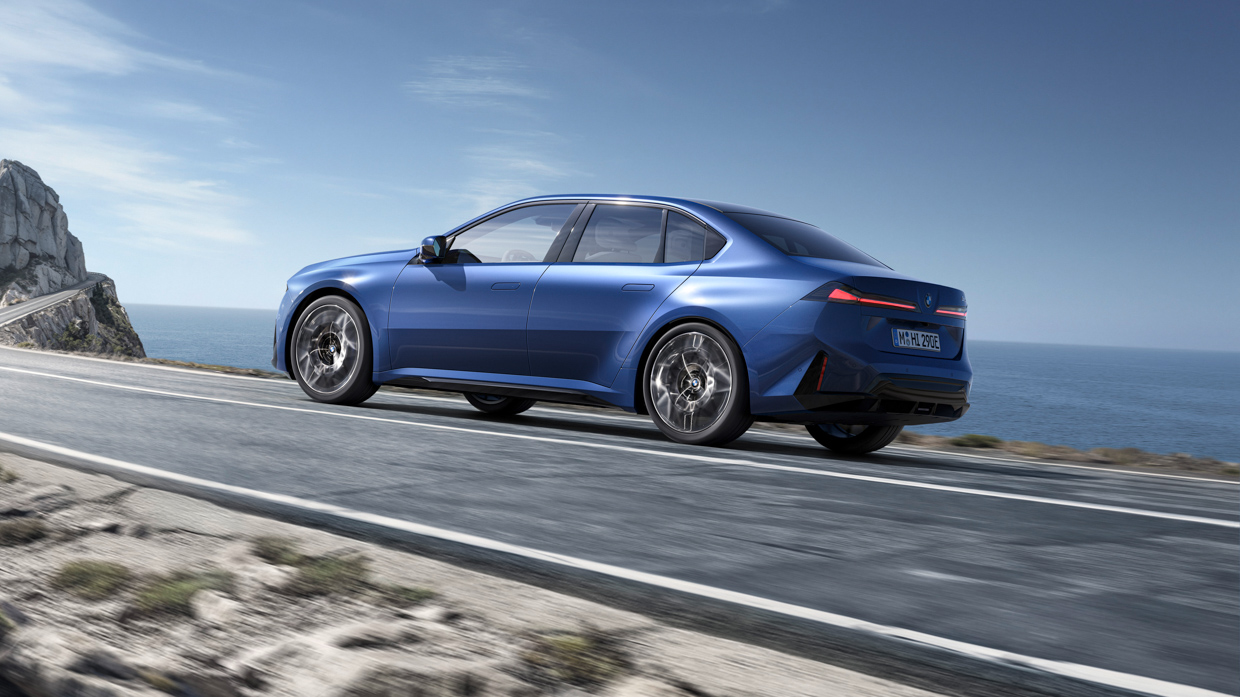
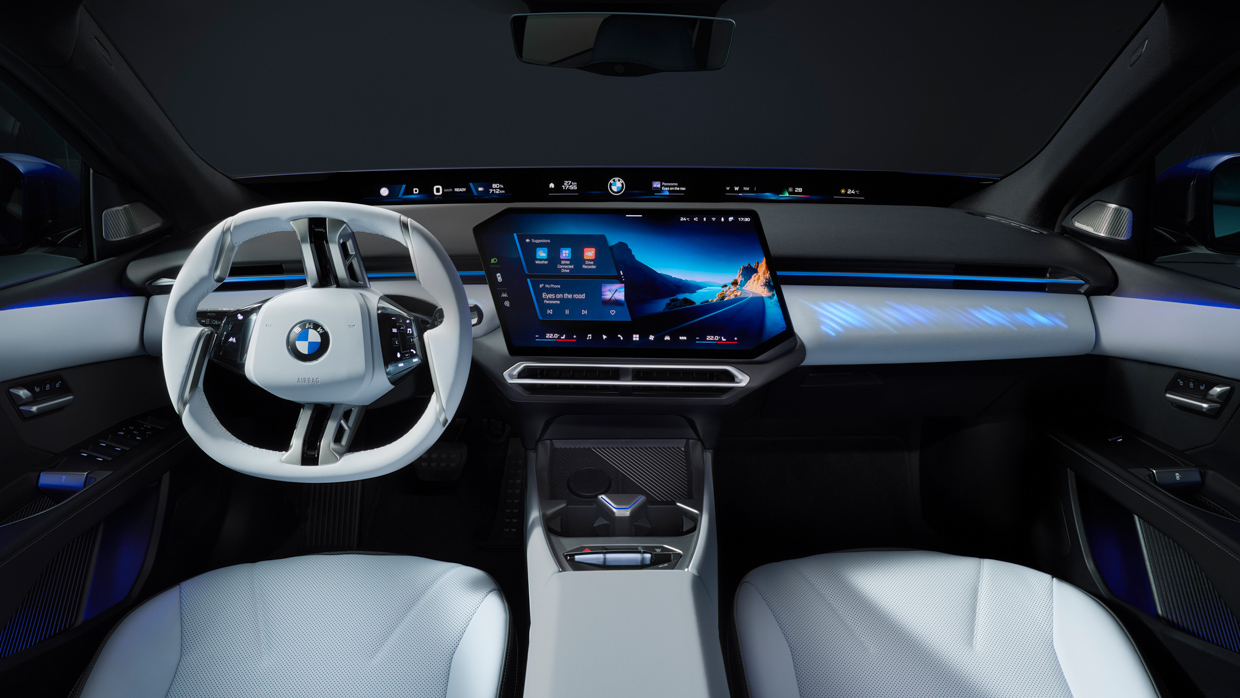
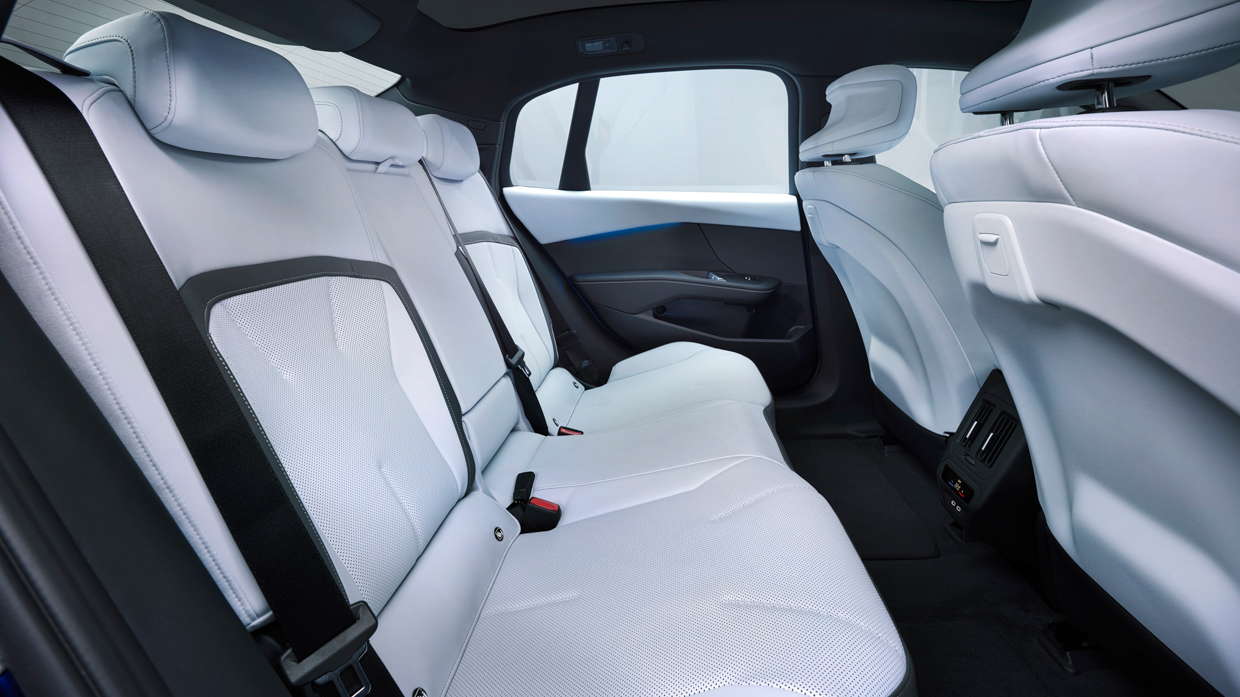
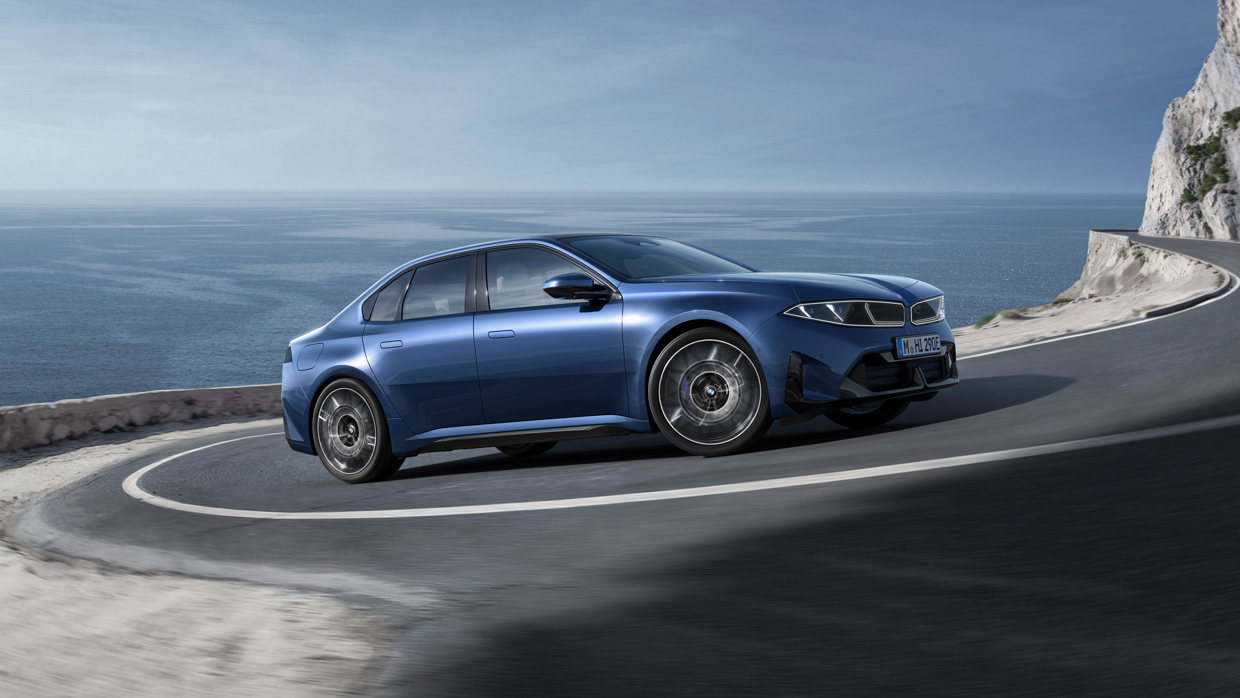
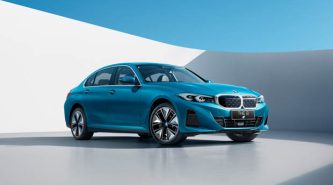
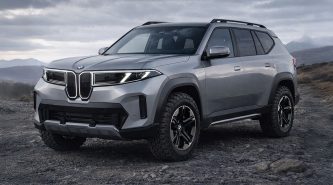
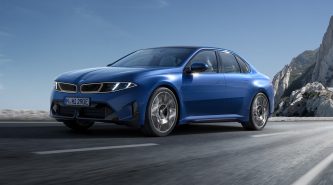
BMW’s new electric 3 Series won’t remain a one-variant lineup for long.
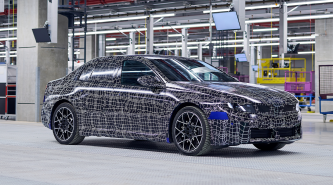
Just months after the dual-motor i3 50 xDrive launch model arrives in Australia in early 2027, BMW will rapidly expand the i3 range with a cheaper rear-wheel drive model and a hotter M Performance variant.
Plus, there’s a fully electric M3 on the way — though combustion versions of the 3 Series, likely with four- or six-cylinder power, are set for renewal later with similar styling.
Speaking with Chasing Cars at the global debut of the i3 in Munich, BMW executives confirmed that the Neue Klasse sedan has been engineered from the outset to support a broad spread of battery sizes, chemistries, and performance levels.
That flexibility for the electric i3, along with a commitment to petrol and hybrid versions, will underpin what is shaping up to be one of the broadest 3 Series lineups ever.
The first addition to the i3 lineup after the launch of the 50 xDrive will be the 40 grade — a more affordable rear-wheel drive variant that is expected to go into production in November 2026, three months after the production line starts up for the 50.
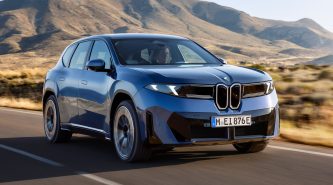
BWM says the 40 will mirror the upcoming iX3 40 midsize SUV in combining a smaller battery, single motor, reduced weight, and lower price.
“We will also roll this out to the i3,” said BMW Neue Klasse boss Mike Reichelt. “On the other side, (we will) bring the i3 with a smaller battery pack but with a better entry price.”
The i3 40 is expected to use an 82kWh (usable) nickel manganese cobalt battery — down about 24-percent on the 50’s 108kWh NMC pack.
While the 40 won’t deliver as much range as the 50 xDrive’s 900km (WLTP) estimate, the 40’s reduced weight (down around 200kg) should see it deliver electric range of around 700km.
Rear-wheel drive is expected to be standard in Australia for the i3 40, with single-motor outputs in the region of 235kW/500Nm, though xDrive AWD could be a cost option for the 40 in some markets.
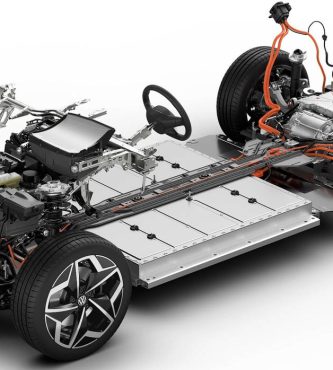
The rapid rollout of i3 variants will be made possible by BMW’s sixth-generation battery system, which has been designed around a modular “construction kit”.
Head of BMW battery production Markus Fallböhmer said the same battery housing can accommodate different numbers of cylindrical cells and even different chemistries.
“You can put it completely full of cells; you can also reduce the number of cells and reduce the kilowatt-hours,” said Fallböhmer.
While the i3 launches with NMC battery packs, which are energy dense and more resistant to cold weather, BMW is also currently testing lithium iron phosphate (LFP) batteries in Germany in preparation to introduce cheaper LFP i3 models in future.
LFP is typically more durable than NMC and resists charging to 100 percent more frequently. Fallböhmer said i3 models with LFP batteries would still allow ultra-rapid, 800-volt charging speeds.
BMW insiders suggest that an i3 20 variant is on the way some time after 2027.
At the other end of the range, BMW is preparing at least two higher performance i3 variants.
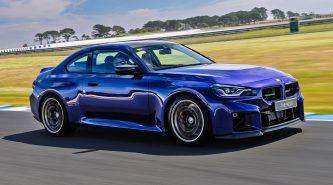
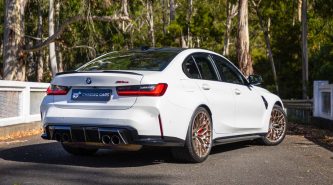
While a six-cylinder petrol M3 will be retained for enthusiast buyers, BMW is betting on rising interest in ‘hot’ electric cars in future, and an electric M3 will join the lineup in the coming years.
The iM3 will use a bespoke NMC battery tune called “design-to-performance” capable of sustained punishment — high power outputs and high recharging speeds — over maximum driving range.
The energy density of the electric M3’s battery will likely be reduced from 108kWh to ramp up power output and input capabilities.
Meanwhile, an i3 M Performance grade — likely badged i3 M60 and slotting in as a halfway house between the i3 50 xDrive and electric M3 — is coming.
“We have potential to uplift in the M Performance level,” said Reichelt.
Latest news
About Chasing cars
Chasing Cars reviews are 100% independent.
Because we are powered by Budget Direct Insurance, we don’t receive advertising or sales revenue from car manufacturers.
We’re truly independent – giving you Australia’s best car reviews.