Powered by

-
Car Reviews
Latest reviews
-
Car News
Latest news
-
Car Comparisons
Latest comparisons
- Chasing Deals
Latest reviews
Latest news
Latest comparisons
Four out of every new cars sold is now an SUV or ute — but possible changes to Australian emissions laws could see passenger cars return to favour
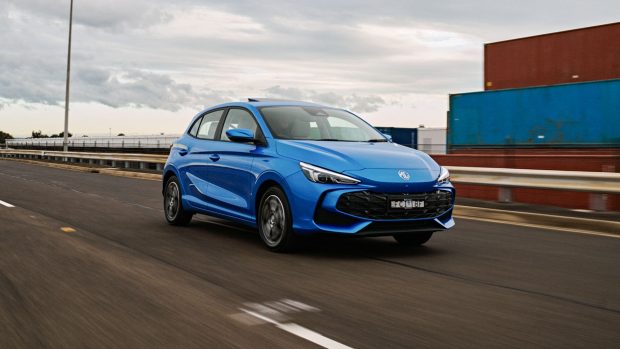
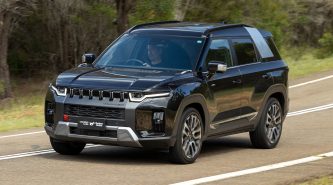
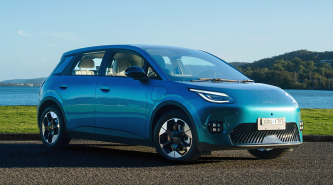
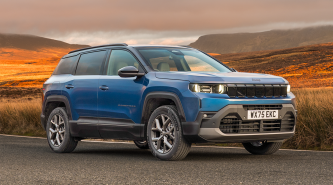
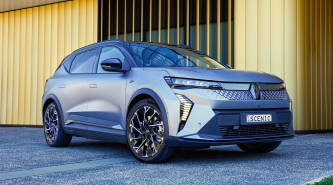
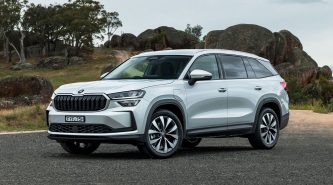
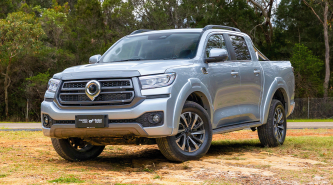
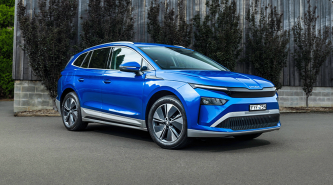
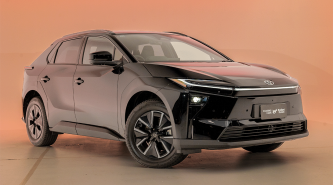
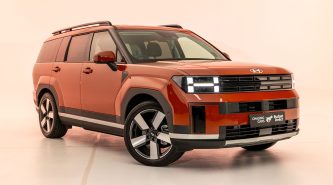
Australians have almost entirely abandoned small and midsize cars — think hatchbacks and sedans — in favour of SUVs and utes, which together accounted for 80 percent of new car sales in 2025.
The shift isn’t new: SUVs first outsold cars here in 2017. What is striking is that the SUV and ute takeover is still accelerating in Australia.
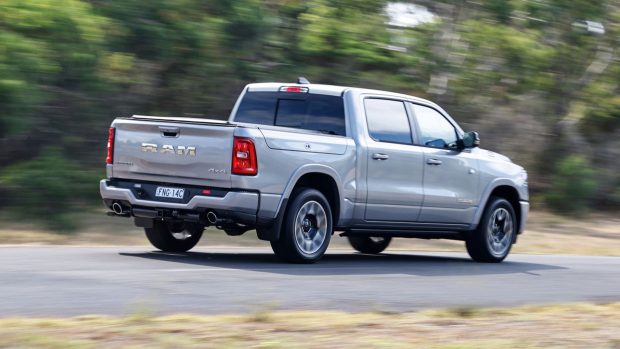
In 2025, fewer than 165,000 passenger cars were sold across all shapes, with SUV sales (733,831) and utes (273,229) outselling ‘normal’ cars by more than six to one.
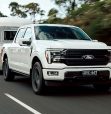
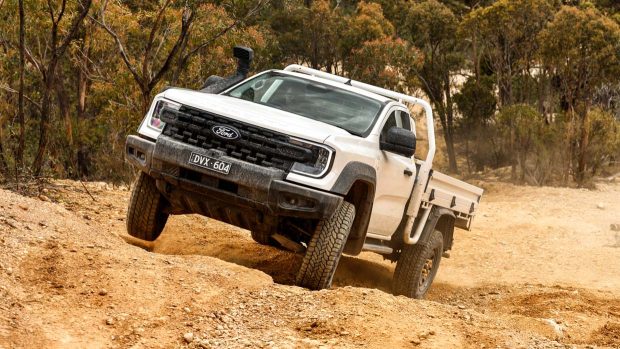
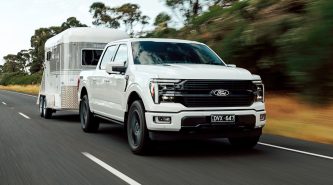
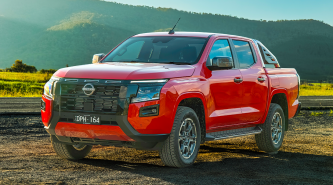
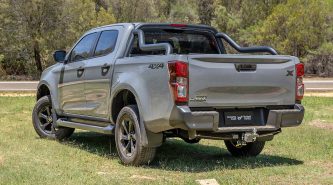
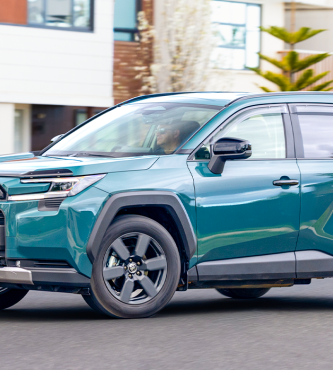
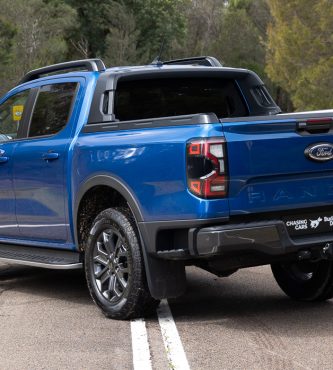
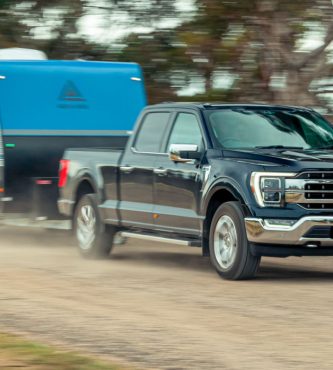
By far the best-selling models in Australia last year were either SUVs or utes, led by the Ford Ranger pick-up (56,555 sales) and Toyota RAV4 midsize SUV (51,947).
In fact, SUVs and utes occupied the top 15 spots on the sales charts last year, with the Toyota Corolla (16th place, 18,968 sales) being the top-selling passenger car.
It has been a punishing 15 years for passenger car sales. Back in 2010, Australians took delivery of 592,122 non-SUVs, but by 2017 — the year SUVs numerically bested passenger cars — deliveries of hatchbacks, sedans, wagons and two-doors had fallen to 449,949.
Fast forward to 2025, and the passenger-car category has contracted much further, dropping from a result of 211,073 in 2024 to 164,847 last year. It’s the biggest fall for the category yet.
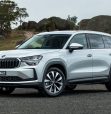
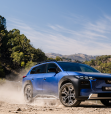
The brutal data point helps to explain why car manufacturer product planners have concentrated so much energy on importing more SUVs as demand for crossovers seems insatiable.
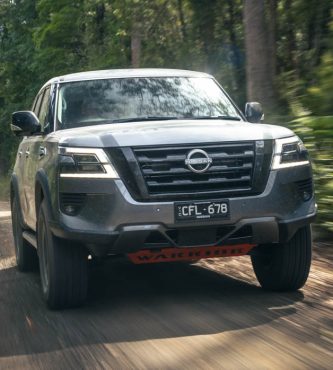
Except for the ‘upper large’ SUV segment, which includes models like the Toyota LandCruiser 300 Series and Nissan Patrol, sales of all SUV categories grew in Australia across 2025.
It’s now a no-contest situation. SUVs accounted for about 60 percent of market share last year, with utes making up a further 20 percent. By comparison, passenger car sales are languishing down at roughly 13 percent market share.
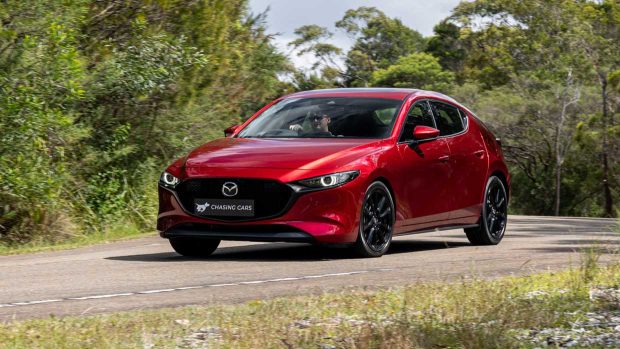
Ten years ago, a base Mazda 3 Neo auto cost $22,490 plus on-road costs while an equivalent Toyota Corolla Ascent was $22,230 + ORCs.
Now, the cheapest Mazda 3 Pure five-door is $31,310 + ORCs (+39%) while the Corolla Ascent hatchback of today is $32,110 + ORCs (+44%).
Those jumps in price have skated ahead of inflation in the intervening period — but there is a genuine structural reason why small cars have become tougher sells in Australia.
The cost of implementing safety (mostly ADAS features), modern infotainment, cybersecurity protection and emissions compliance is essentially a fixed cost for carmakers regardless of the vehicle in question.
For a small car, typically sold with thinner profit margins, those fixed costs bite harder. On an SUV with a higher transaction price, brands can amortise the costs more comfortably while loading an SUV with cheaper add-ons like bigger screens or heated seats to reduce sticker shock.
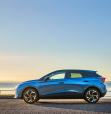
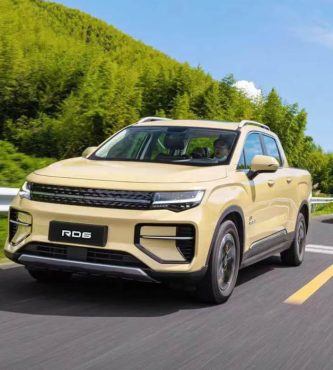
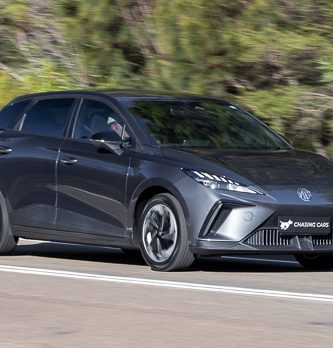
Now that millions of Australians are used to getting about in SUVs, newer Chinese entrants have followed suit. While brands like MG and BYD do have passenger car offerings, their SUV portfolios are larger and often pitched more aggressively on price than established rivals.
A consequence of Australia’s love of SUVs and utes is that singles, couples and families are shifting into larger and heavier vehicles faster than ever.
The march into heavier transport increases road wear, burns through tyres and brakes more quickly and can worsen pedestrian outcomes in crashes, even if newer models often have better accident avoidance tech.
Heavier vehicles also use more energy (be that petrol, diesel or electricity) and that is a spanner in the works of Australia’s federal emissions goals.
The Albanese government’s New Vehicle Efficiency Standard (NVES) is designed to push manufacturers toward lower CO2 outputs on paper and this rewards sales of EVs and plug-in hybrids.
But NVES does not directly penalise excess mass. That is a job left to state registration systems, which do not currently punish heavy cars in a financially significant manner.
NVES is up for review later in 2026, and one potential tweak would be to incorporate a blended CO2 and weight measurement in order to avoid a perverse outcome where carmakers meet CO2 targets by pumping heavy batteries into even heavier vehicles.
European countries are already exploring how to tax vehicles using both CO2 and weight measures. France, for example, now levies additional taxes on all cars above 1600kg, incentivising all carmakers to chase weight efficiency — combustion, electric or otherwise.
Even without a weight component, the increasingly strict CO2 limits embedded in NVES might still steer the Australian market toward smaller and more efficient vehicles, as carmakers will find it cheaper to comply if they steer customers away from thirstier models.
Latest news
About Chasing cars
Chasing Cars reviews are 100% independent.
Because we are powered by Budget Direct Insurance, we don’t receive advertising or sales revenue from car manufacturers.
We’re truly independent – giving you Australia’s best car reviews.