Powered by

-
Car Reviews
Latest reviews
-
Car News
Latest news
-
Car Comparisons
Latest comparisons
- Chasing Deals
Latest reviews
Latest news
Latest comparisons
Sales of electric vehicles have roughly doubled year-on-year in Australia for some time, but FCAI suggests that it could be a short-lived popularity spike
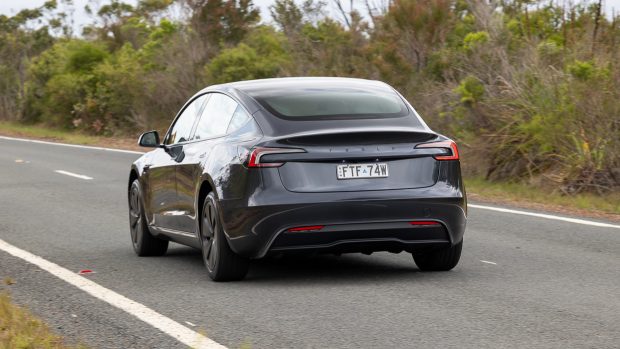
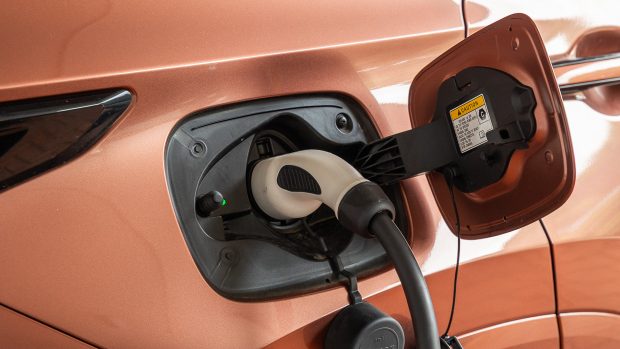
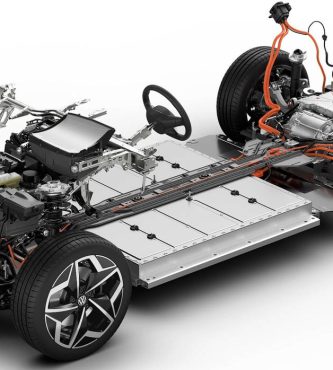
Battery electric vehicle sales have almost doubled to 14.6 percent in March 2026, up from 7.5 percent 12 months prior, as an international oil crisis leaves petrol and diesel prices skyrocketing and supply uncertain.
A total of 15,839 electric vehicles were sold last month, from a total of 108,703 sold nationally, according to combined figures from the FCAI along with Polestar and Tesla sales data from the Electric Vehicle Council.
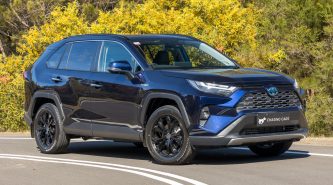
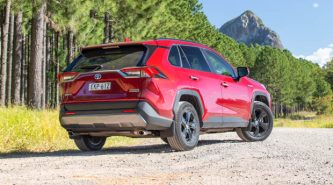
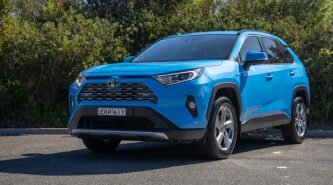
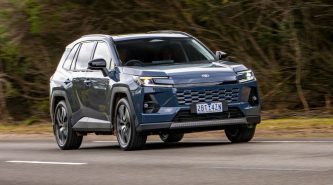
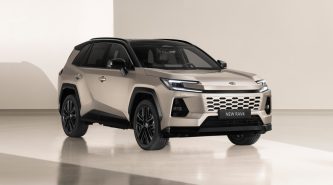
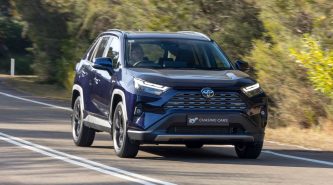
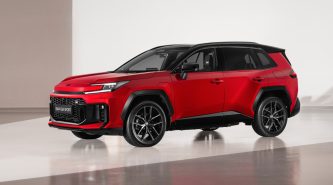
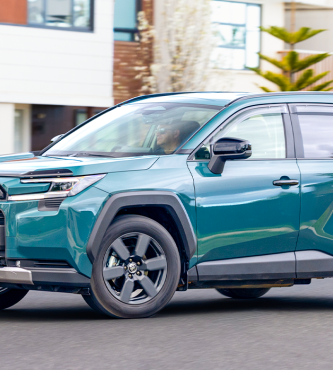
The overall sales reflect a 3.3 percent dip over last year, a downward trend also reflected in a similar capacity by sales-leader Toyota which saw fewer RAV4 deliveries than expected, though the brand sold 16,574 vehicles across its model range.
Kia followed in a distant but still impressive second place with 7320 sales, just ahead of EV and hybrid giant BYD (7217), just nudging ahead of Mazda (7156) and Ford (7149).
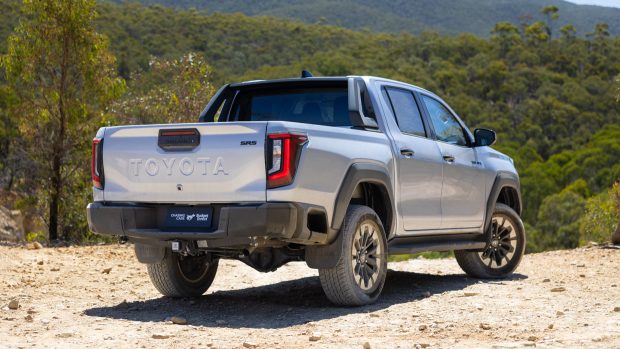
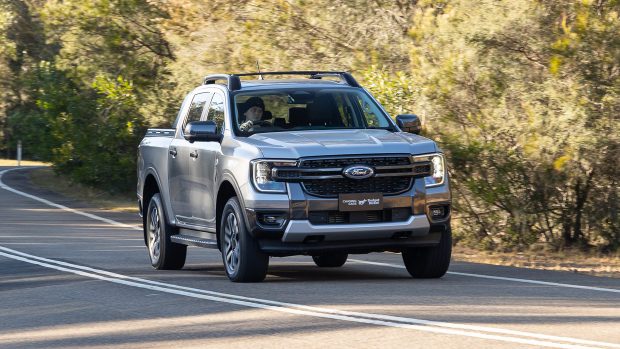
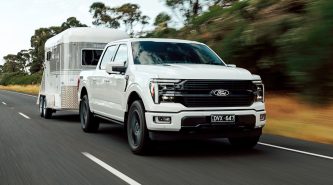
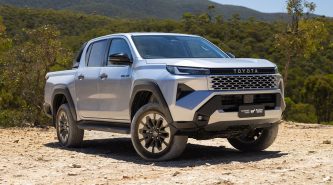
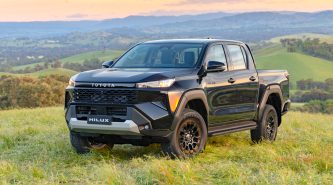
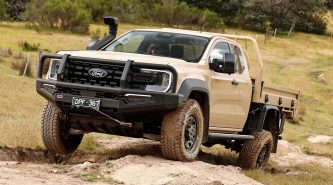
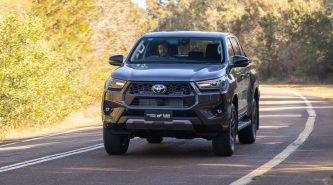
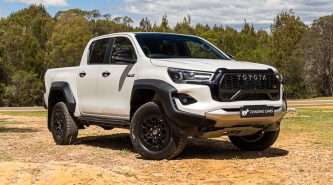
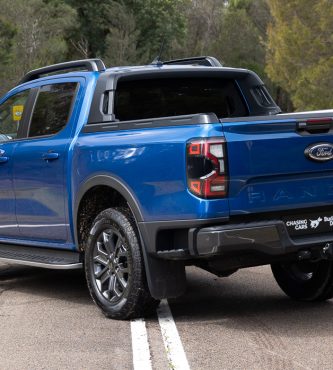
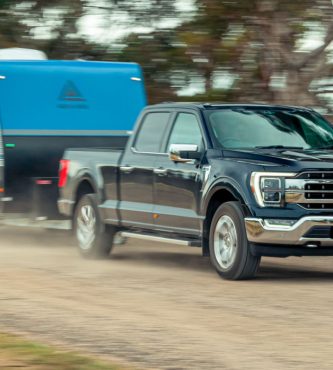
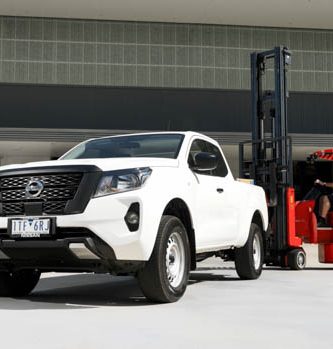
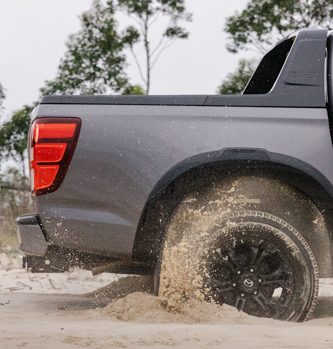
Ford’s Ranger ute remains Australia’s most popular vehicle with 4452 sales, followed by the new-generation Toyota Hilux 4167, which has expanded its model range in recent months.
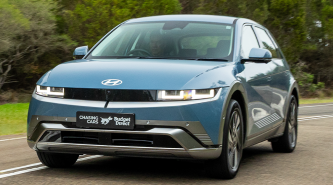
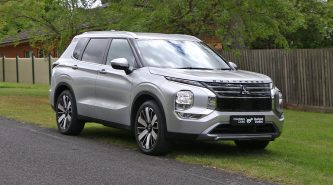
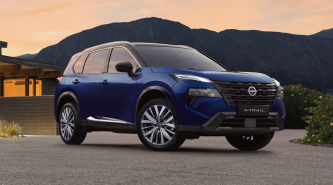
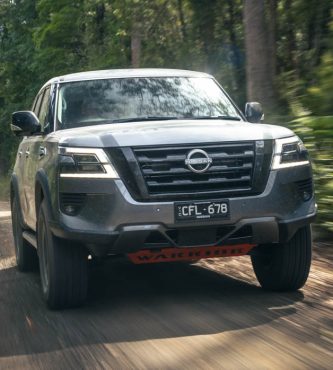
The third and fourth most popular vehicles were the closely related Nissan X-Trail (2438) and Mitsubishi Outlander (2318), followed by the Hyundai Kona (2316), a small SUV offered in petrol, hybrid and fully electric forms.
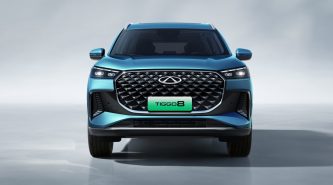
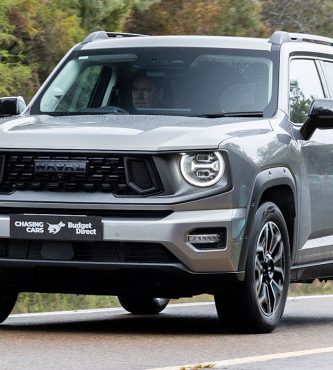
The Chery Tiggo 4 Pro (2258) took sixth spot, ahead of the Isuzu D-Max (2167) in seventh, Hyundai Tucson (2042) in eight, Haval Jolion (2013) in ninth and the BYD Sealion 7 to round-out the top ten.
Federal Chamber of Automotive Industries (FCAI) chief executive Tony Weber has suggested that the observed increase in battery electric vehicle sales could be short-lived, while stressing the need for more charging infrastructure to support the take-up of EVs.
“It is too early to determine whether this represents a structural shift in the market. More consumers are considering EVs due to the disruption to fuel supply caused by conflict in the Middle East, along with the review into the fringe benefits tax concession for EVs,” Weber said in a statement.
With the majority of Australia’s vehicle fleet still running on combustion engines, the Albanese government has moved to halve the fuel excise tax for three months starting from April 1st, 2026, in a move aimed at helping motorists save 26.3 cents a litre.
Petrol still reigns supreme as the most popular drivetrain type in Australia with 31.9 percent market share, followed by diesel at 26 percent, though both are down on figures from last year.
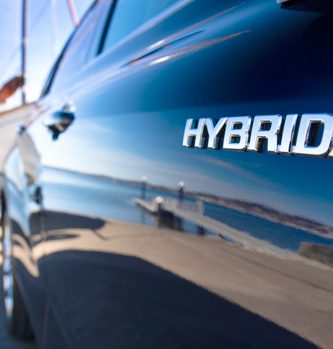
Hybrids and plug-in hybrids are up, accounting for 16.5 percent and 7.6 percent respectively. Outright EVs (also known as battery electric vehicles) absorbed 14.6 percent of sales as stated above. Hydrogen vehicles accounted for zero sales in March, 2026.
Latest news
About Chasing cars
Chasing Cars reviews are 100% independent.
Because we are powered by Budget Direct Insurance, we don’t receive advertising or sales revenue from car manufacturers.
We’re truly independent – giving you Australia’s best car reviews.