Powered by

-
Car Reviews
Latest reviews
-
Car News
Latest news
-
Car Comparisons
Latest comparisons
- Chasing Deals
Latest reviews
Latest news
Latest comparisons
Polestar faces a long road to profitability, but Geely has not turned off the investment taps yet
Key Polestar executives say the Swedish EV manufacturer has the full confidence of its Chinese owner, Geely Holding, despite facing a long road to future profitability.
The manufacturer is a niche but growing proposition in the premium electric space, having delivered 60,119 vehicles globally, including 2373 in Australia — a record year in which the brand bested its previous benchmark of 52,796, set in 2023.
That’s still far off the pace of a key rival like Tesla, which delivered around 1.6 million cars last year.
In a bid to differentiate itself from volume marques such as Tesla and BYD, Polestar has refocussed its product line towards the luxury end of the market and away from bulk fleet deals which underpinned early sales success, including in Australia.
“There weren’t bulk registrations of anything – it was done properly [in 2025],” said Polestar Australia managing director Scott Maynard.
“Our numbers suggest that we were the fastest-growing premium brand on a year-on-year basis in Australia.”
Polestar’s financial trajectory is one of reasonable revenue growth burdened with persistent structural losses and cash pressure.
The brand reported strong revenue gains — up 49 percent for the first nine months of 2025 — driven by higher retail deliveries and expansion of its network. Retail sales grew 34 percent in 2025.
But increased scale has not yet translated into profitability. Polestar has continued to post widening net losses, including considerable negative gross margins, as tariffs, competition and growth costs have eaten into performance.
Owner Geely has supported Polestar’s liquidity by various financing actions, including a USD$300 million lifeline and debt conversion in late 2025 plus new investments from Spanish bank BBVA — but the cash burn rate is a risk to the long-term sustainability of the brand.
“Start any brand from scratch and put it on a global footprint and it wouldn’t be expected to make money in its first five years — neither should ours, and neither will ours,” said Maynard.
When quizzed on how long Polestar’s runway was before its long-term viability was called into question, Maynard said he did not have visibility — but affirmed the internal view that Geely remains satisfied for now.
“The investment you talk about has been placed on record by Geely as being just that, an investment, not a lifeline. [It] has been secured by the brand, no longer to ensure survival, but rather to give [Polestar] cash flow to continue to grow and to invest in R&D.”
That R&D is currently focussed on development of the crucial Polestar 7 small SUV, set for launch in 2028.
Locally, Polestar’s 2025 sales result of 2373 cars — versus 1713 in 2024 — has kept Australia out of the firing line internally.
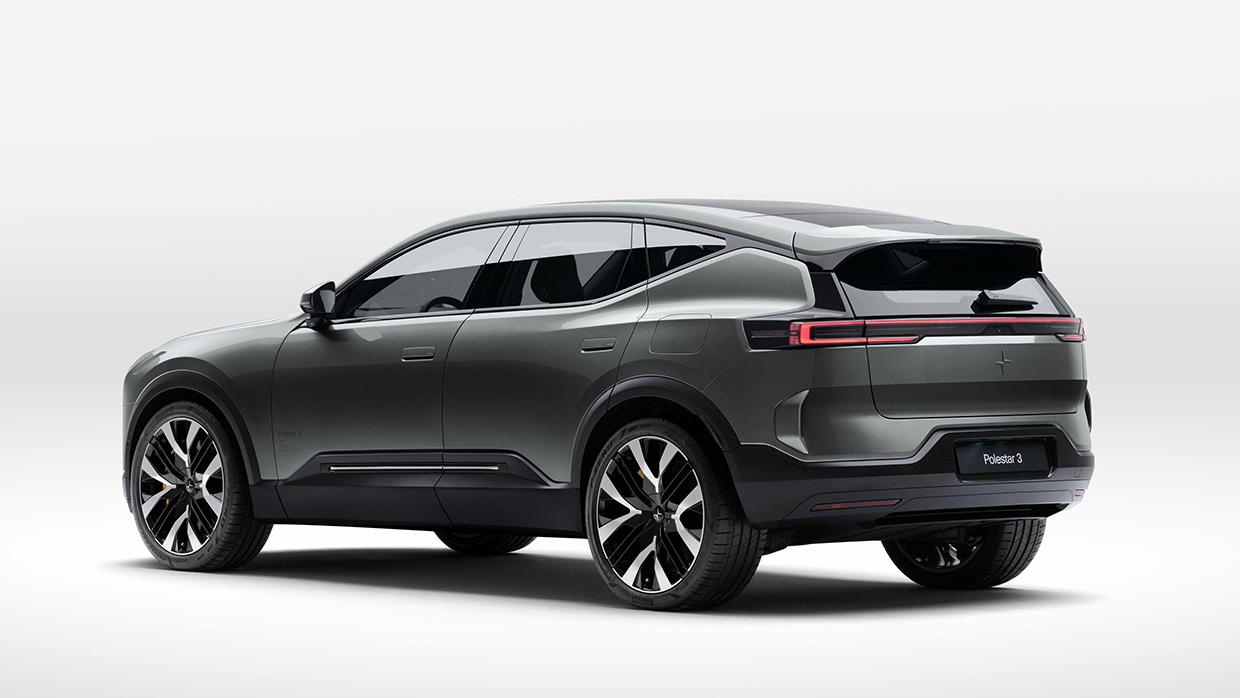
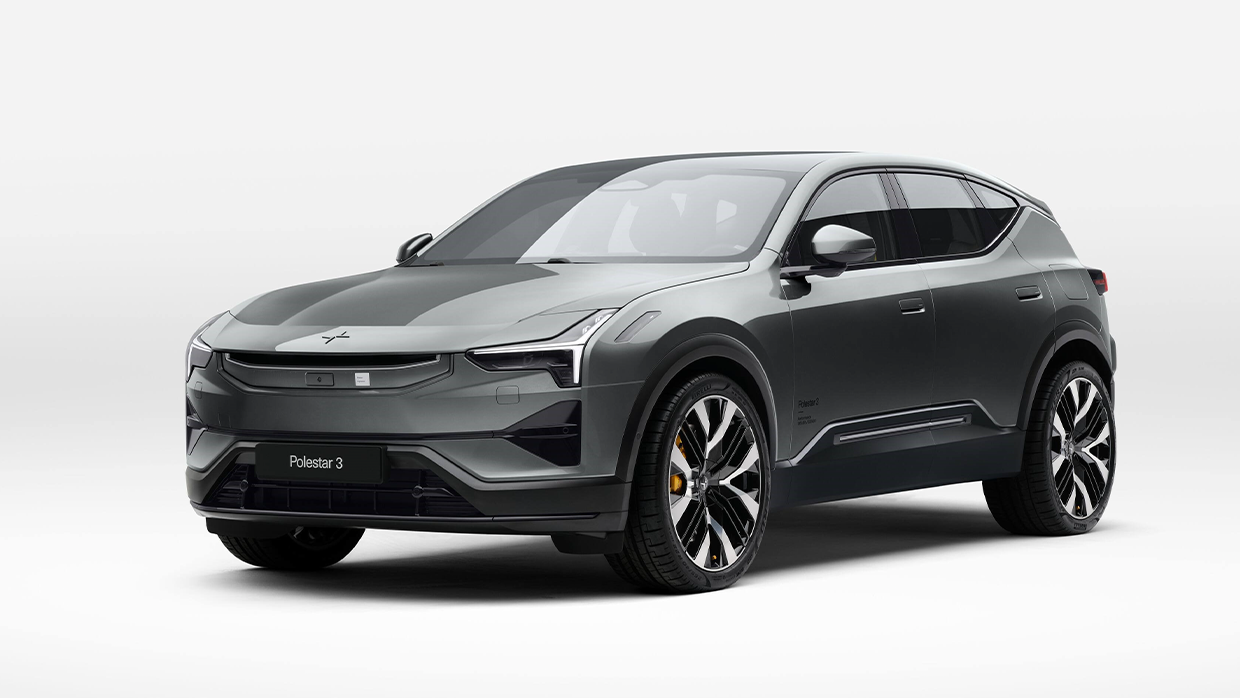
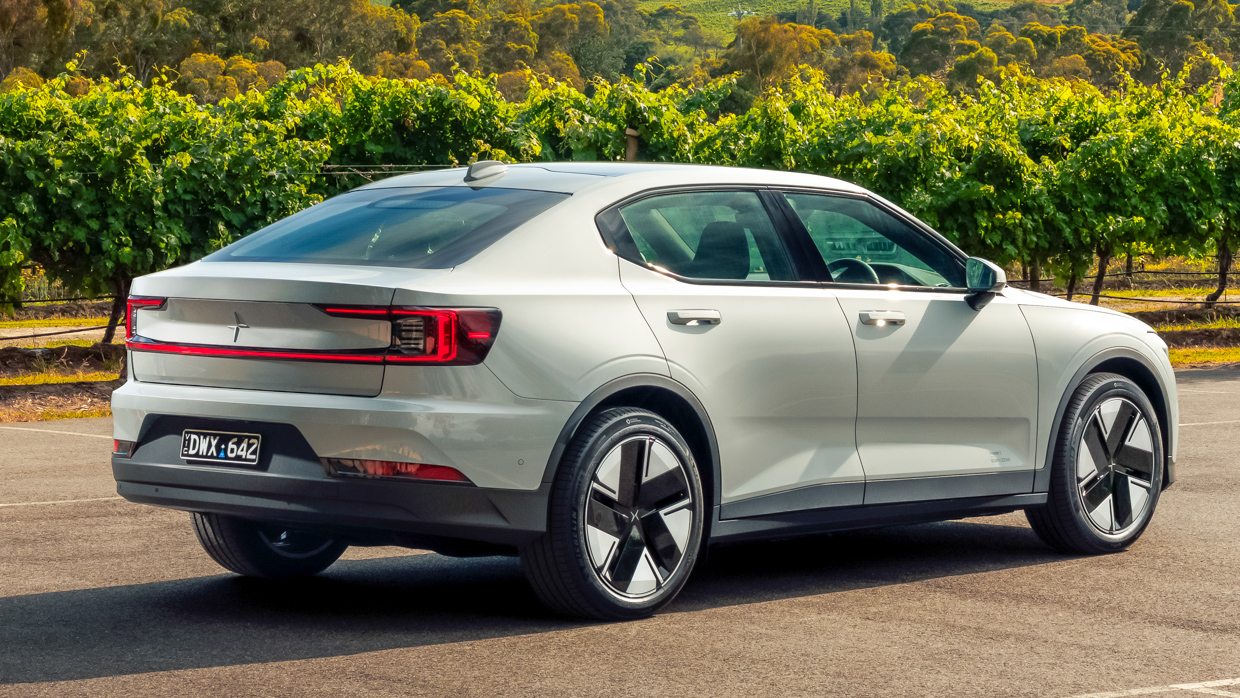
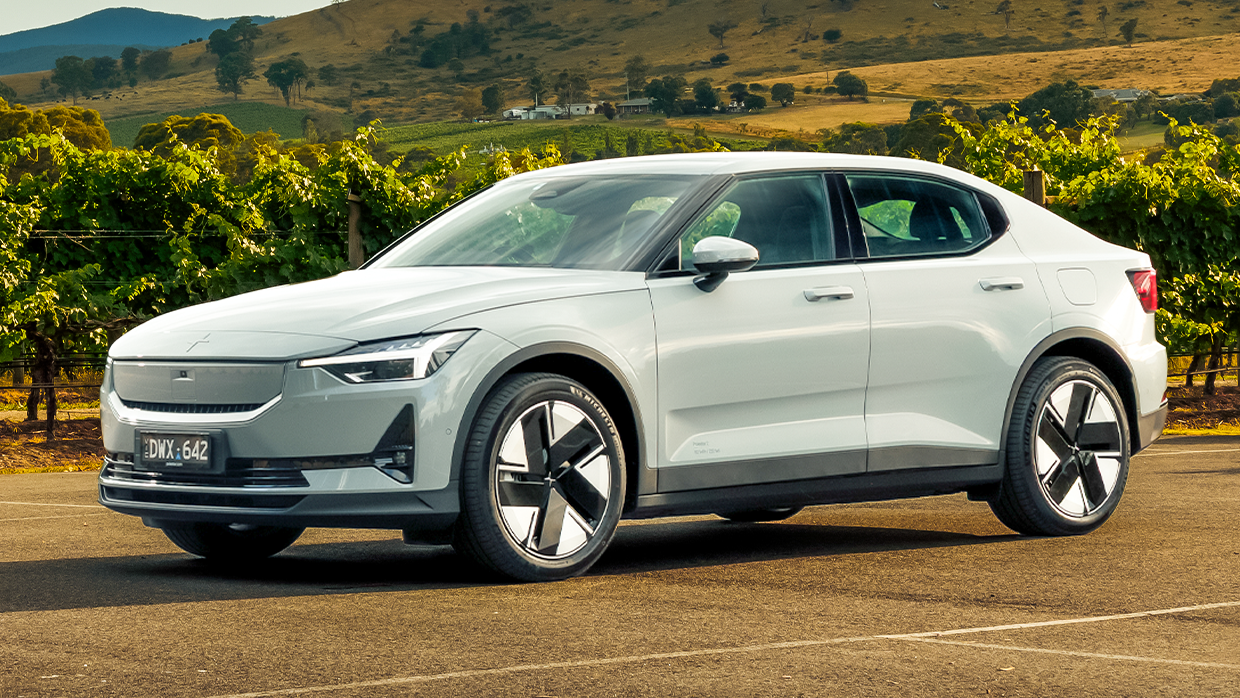
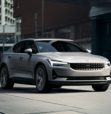
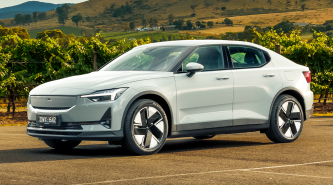
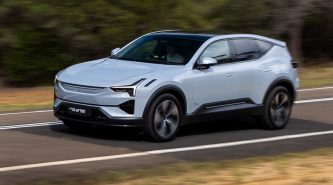
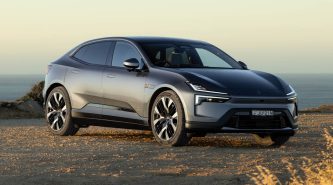
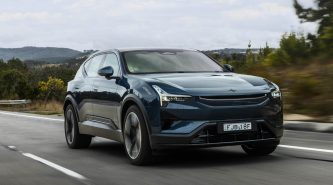
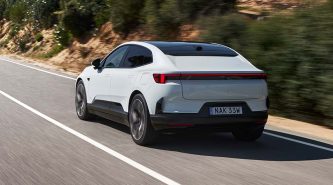
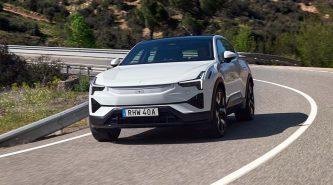
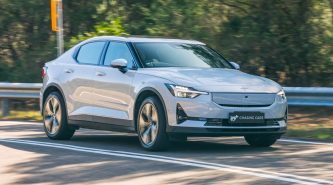
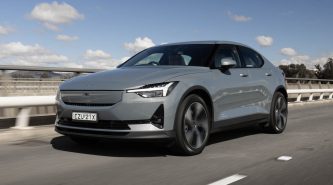
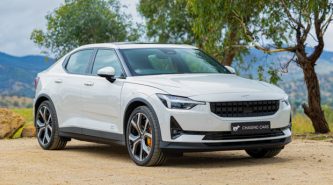
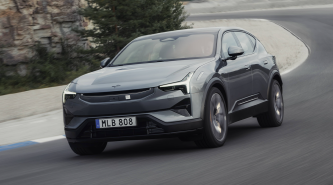
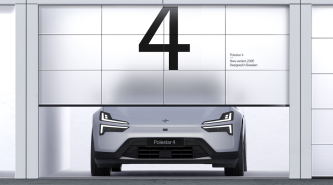
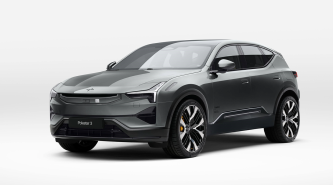
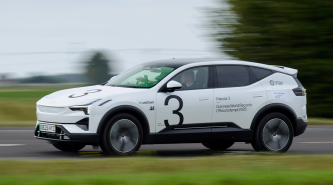
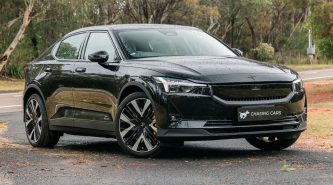
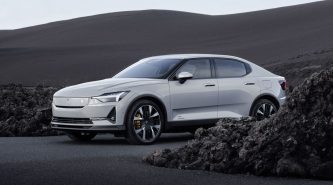
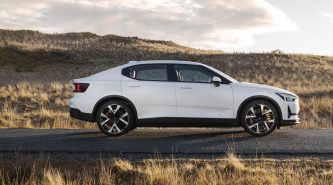
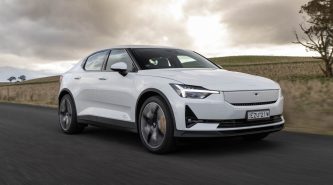
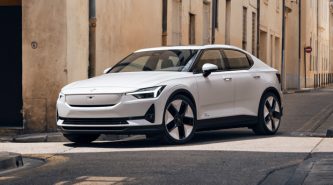
That said, growth is projected to be slower this year as existing product lines mature, based around the ageing Polestar 2 sedan and the newer midsize Polestar 4 SUV and luxe Polestar 3 large SUV that launched last year.
“We don’t expect to see the same sort of growth in 2026 that we saw in 2025. I’m still confident [there will be growth] but our expectations will be a little bit more realistic for 2026,” said Maynard.
“We hope to bring news of a couple of little product enhancements we can do to keep 2026 interesting.”
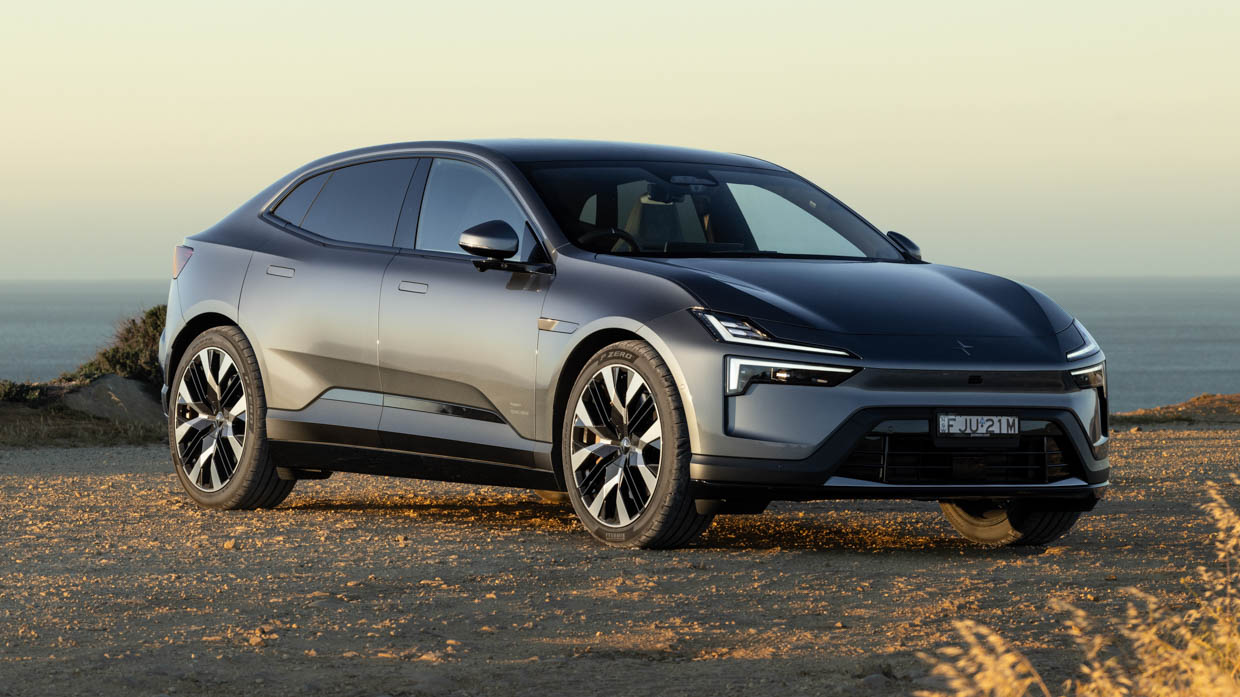
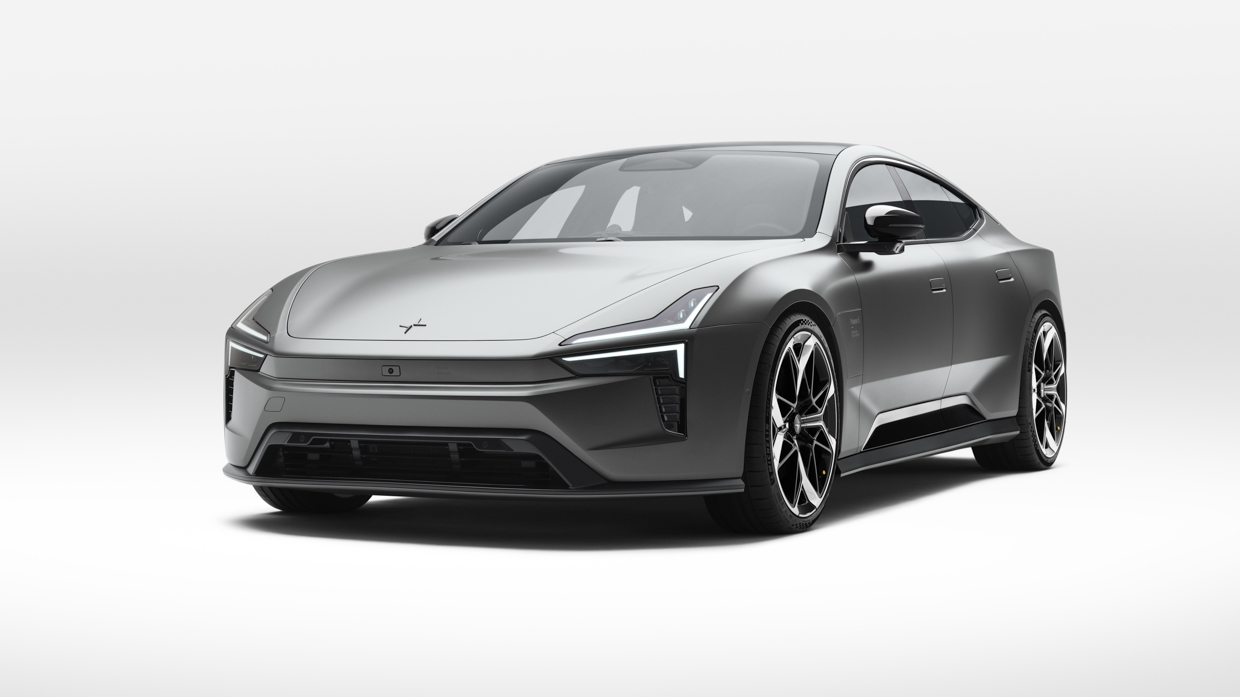
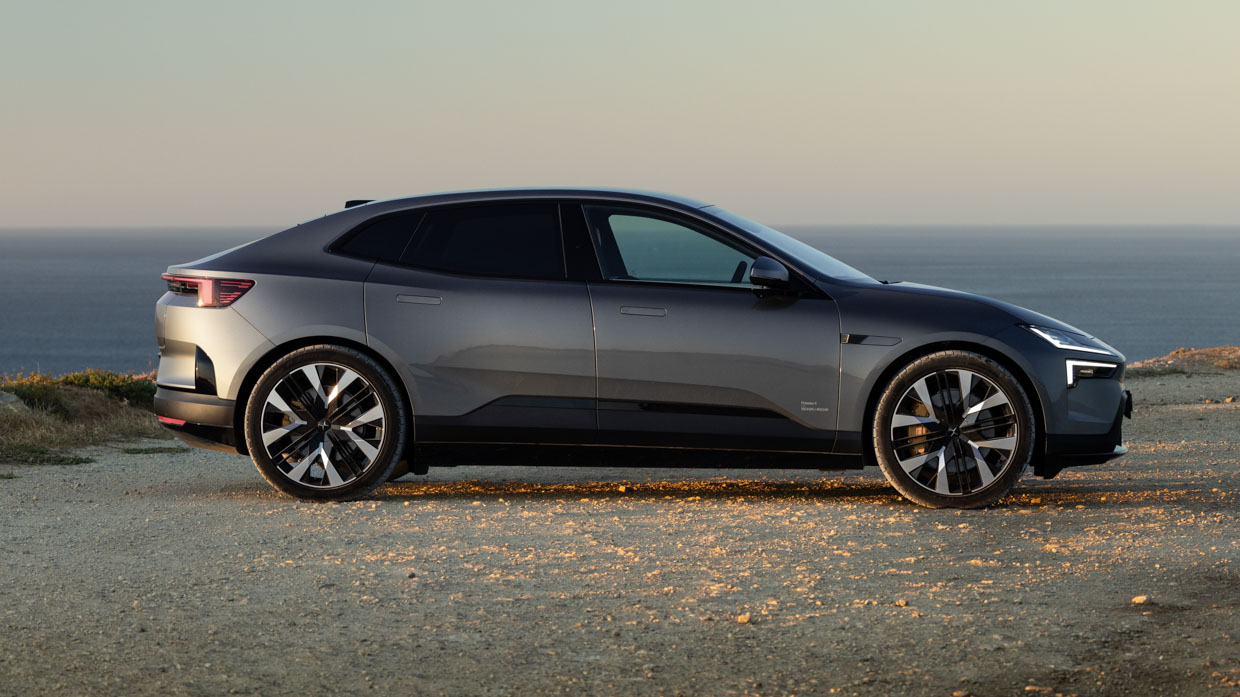
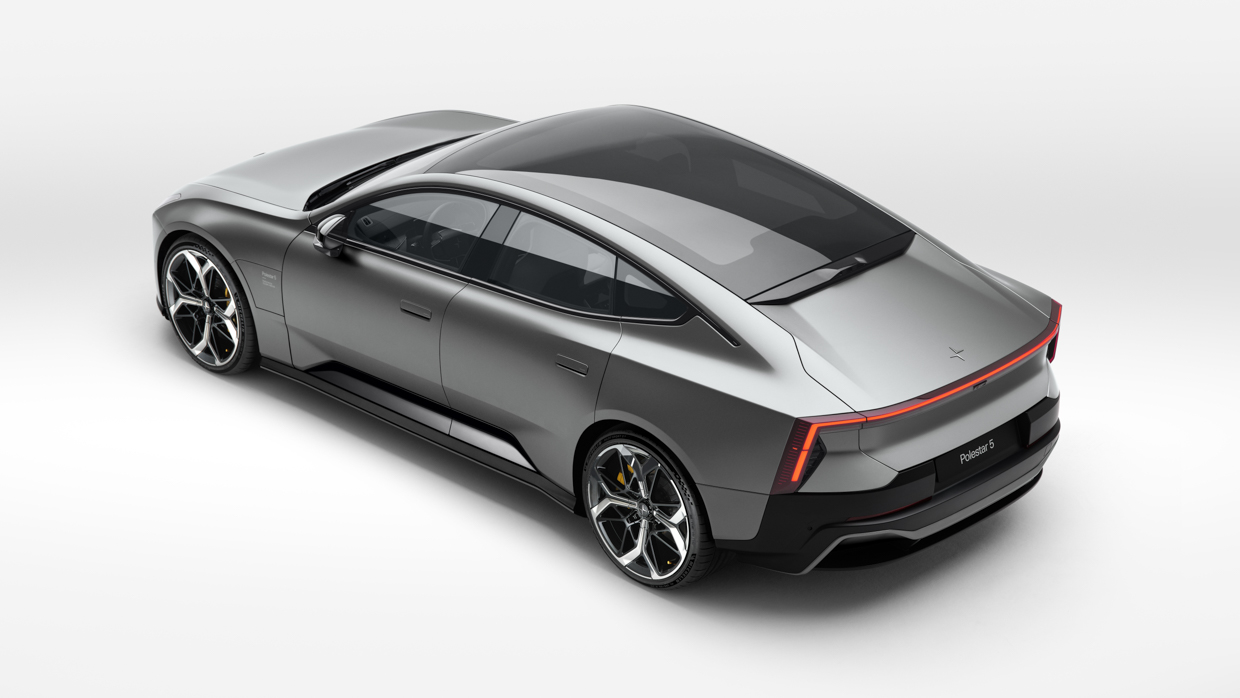
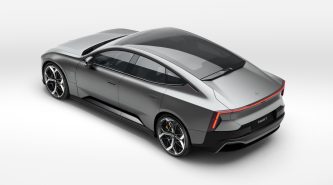
The brand will introduce its most ambitious — and expensive — model yet in the second half of 2026 in the form of the Polestar 5, an electric Porsche Taycan rival that is priced from $171,100 before on-road costs.
Marginal from the Polestar 5 is expected to be slim with the Taycan posting just 176 sales last year for Porsche.
Polestar is expected to unveil a set of higher-performance BST models later this year to sit above existing Performance variants.
But sales of the Polestar 3 will slow to zero until the second half of the year when an MY27 update arrives.
Australia will also make an additional contribution to Polestar’s bottom line, with local boss Maynard confirming that the manufacturer will sell its New Vehicle Emissions Standard (NVES) credits to rivals that have received NVES penalties.
“We’ve had a couple of offers — there is certainly interest in our credits.”
The market value of NVES credits traded on the open market will be less than the cost of paying the penalty to the federal regulator.
But Polestar Australia won’t be able to hang onto its NVES profits.
“The final say [on how to use the profits from the credits] will go to global. That is because there will be certain global partnerships they will be coordinating,” said Maynard.
Latest news
About Chasing cars
Chasing Cars reviews are 100% independent.
Because we are powered by Budget Direct Insurance, we don’t receive advertising or sales revenue from car manufacturers.
We’re truly independent – giving you Australia’s best car reviews.