Powered by

-
Car Reviews
Latest reviews
-
Car News
Latest news
-
Car Comparisons
Latest comparisons
- Chasing Deals
Latest reviews
Latest news
Latest comparisons

China’s Chery KP31 ute concept is far from ordinary when compared to its stablemates, featuring three differentials, bold retro styling, and an all-new powertrain
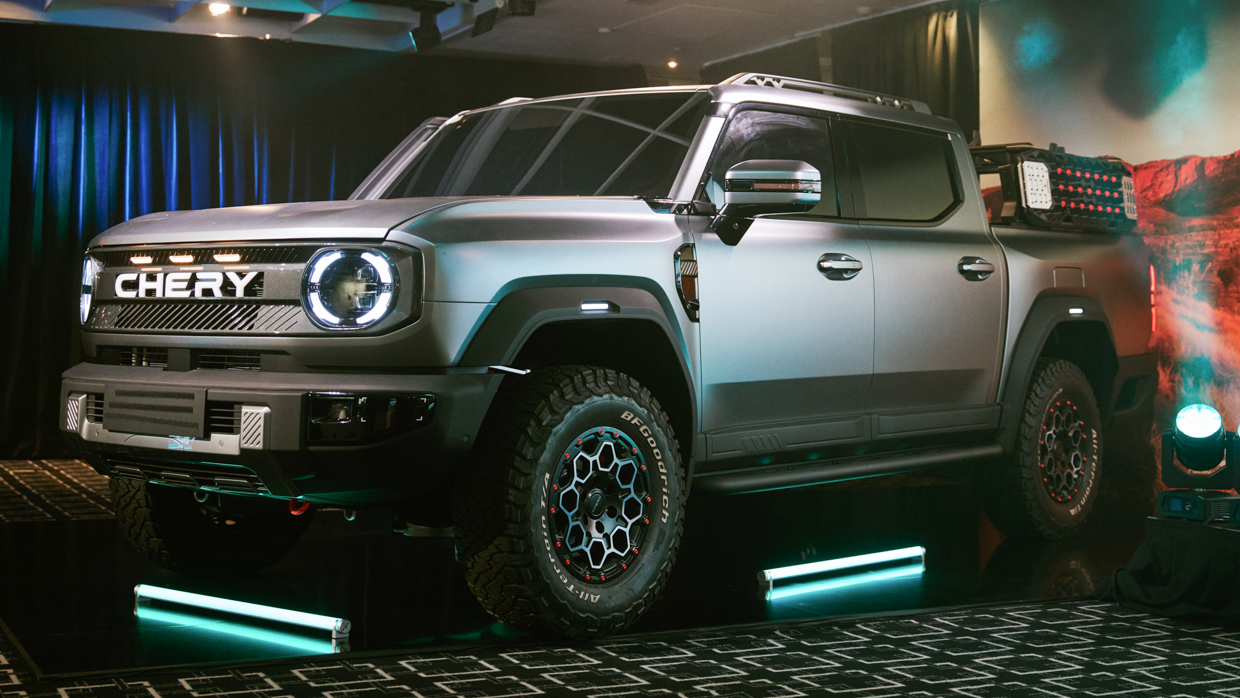
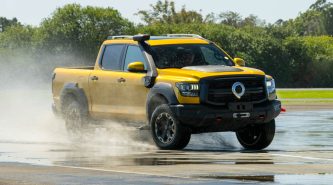
Chery Australia has today revealed its ‘KP31’ dual cab ute concept, with the prospect of two plug-in hybrid powertrains, and is set to go on sale in the fourth quarter of 2026.
The KP31 will initially roll-out with a 2.5-litre turbo-diesel plug-in hybrid powertrain – a world first for dual-cabs – in this year’s fourth quarter, followed by a petrol PHEV variant early in 2027. The two drivetrains will target two different demographics, says Chery.
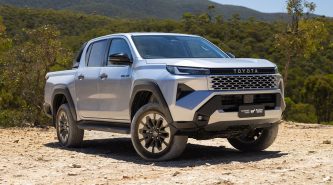
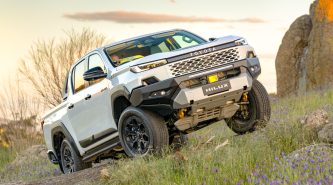
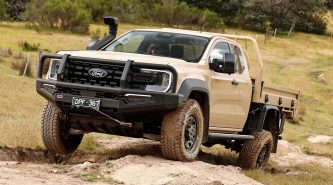
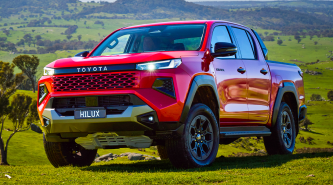
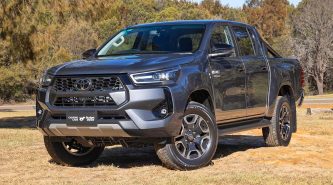
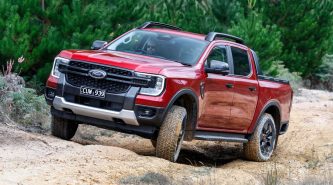
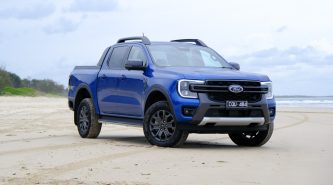
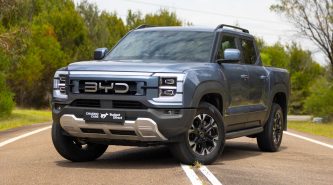
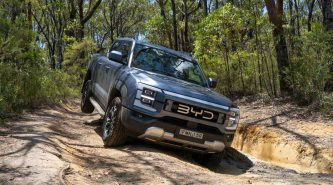
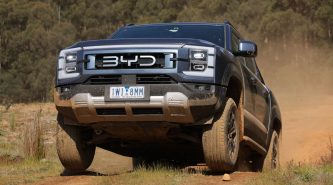
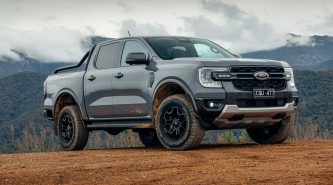
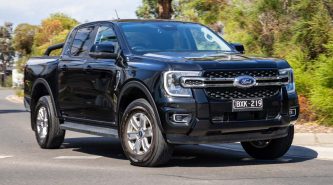
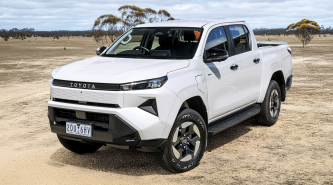
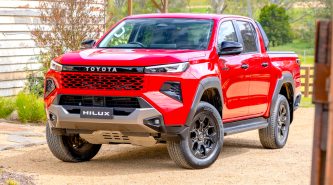
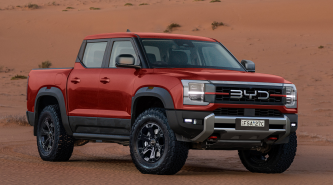
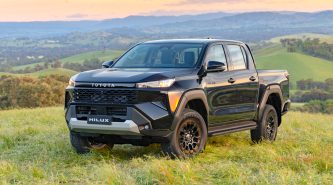
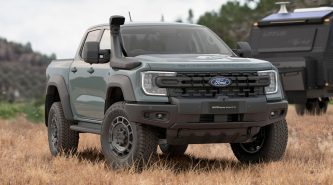
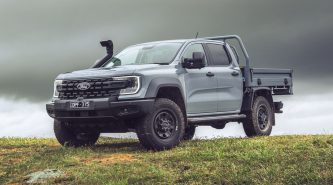
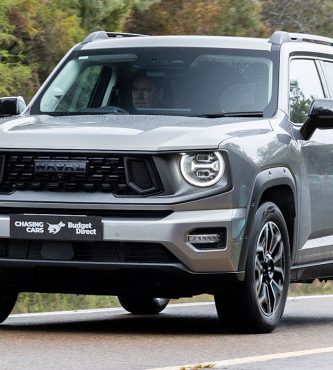
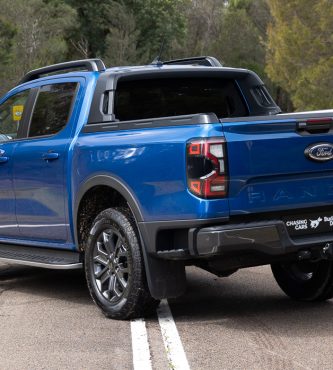
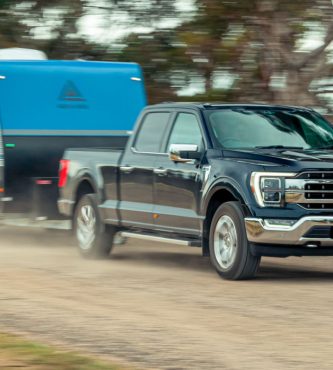
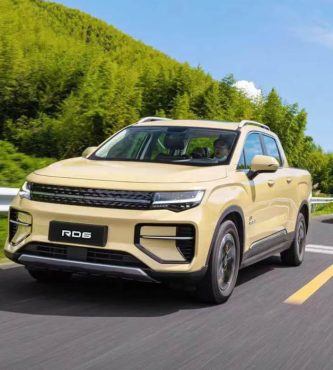
Where the KP31 plug-in diesel will be work and off-road focused, benchmarked against the Ford Ranger and Toyota Hilux, the plug-in petrol will market as a lifestyle ute, and key competitor to the BYD Shark 6.
Conceptualised off the back of a Chery Global trip to Stradbroke Island (off the coast of Brisbane) the KP31 will be developed in partnership with Chery-Australia executives, who will provide performance targets, technical benchmarks, and general consultancy for the forthcoming dual-cab.
“We’re leading the development of the chassis for our ute,” said Lucas Harris, Chief Operating Officer of Chery Australia.
Lucas Harris confirmed to Chasing Cars that Chery’s off-road focussed R&D trip was weighted by “leading competitor products”, which drove Chinese executives through “bushland, mud tracks, and water crossings” to demonstrate Australia’s unique needs.
“I think those kinds of experiences and understanding from key decision makers in the business go a long way,” said Harris, going on to discuss the “bewilderment” of international executives when observing Australia’s strong ties to capable dual cabs.
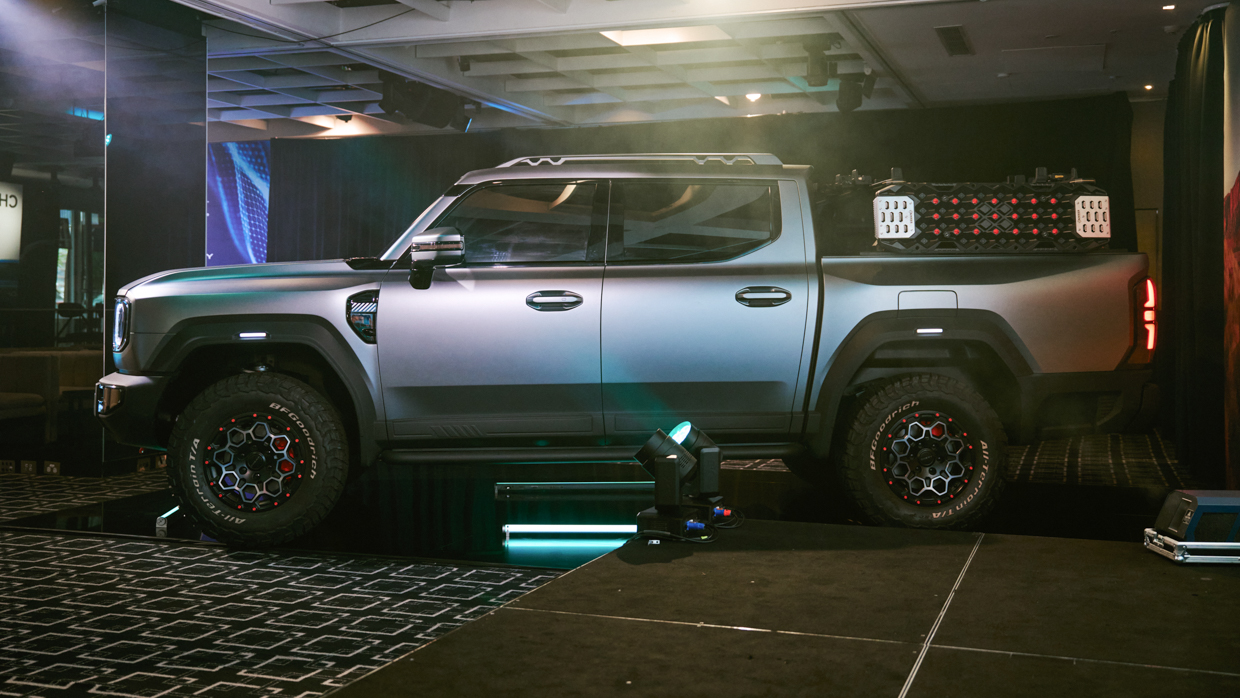
In concept-form, the KP31 measures 5610mm long, 1920mm wide and 1925mm tall, with a wheelbase yet to be confirmed. Production model utes will be shorter, says Chery, with a length of 5450mm, meaning the KP31 is similar in size to the Kia Tasman.
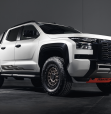
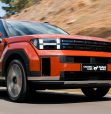
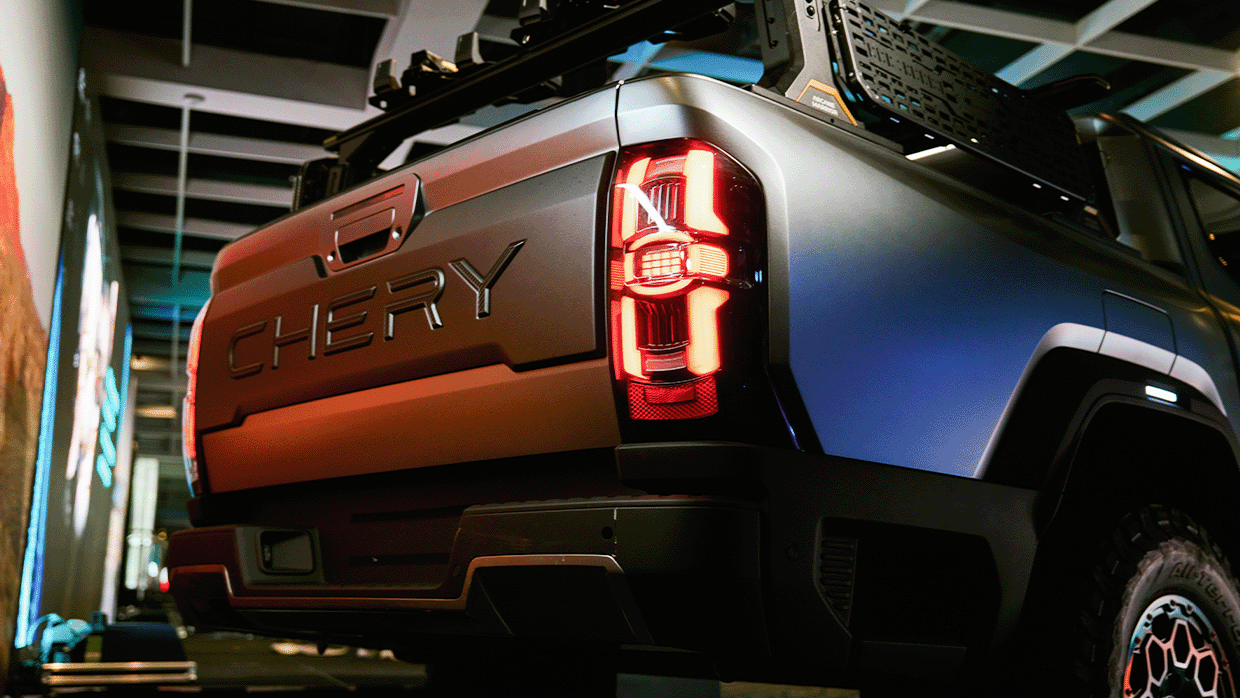
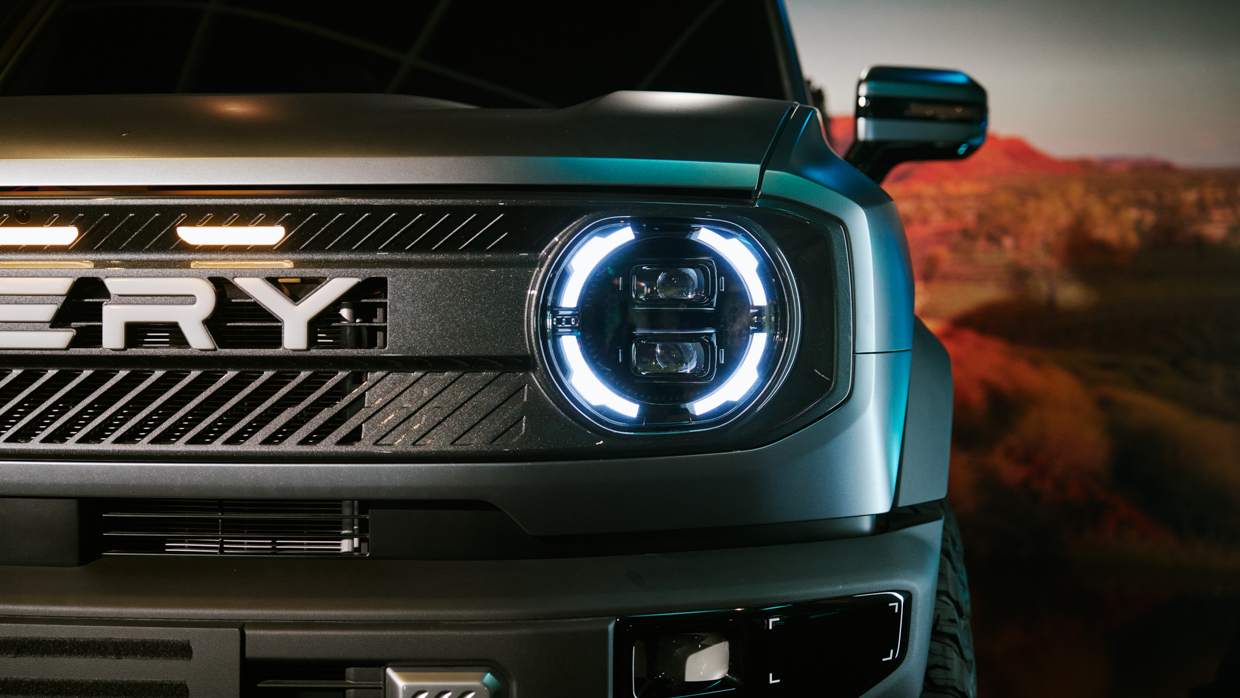
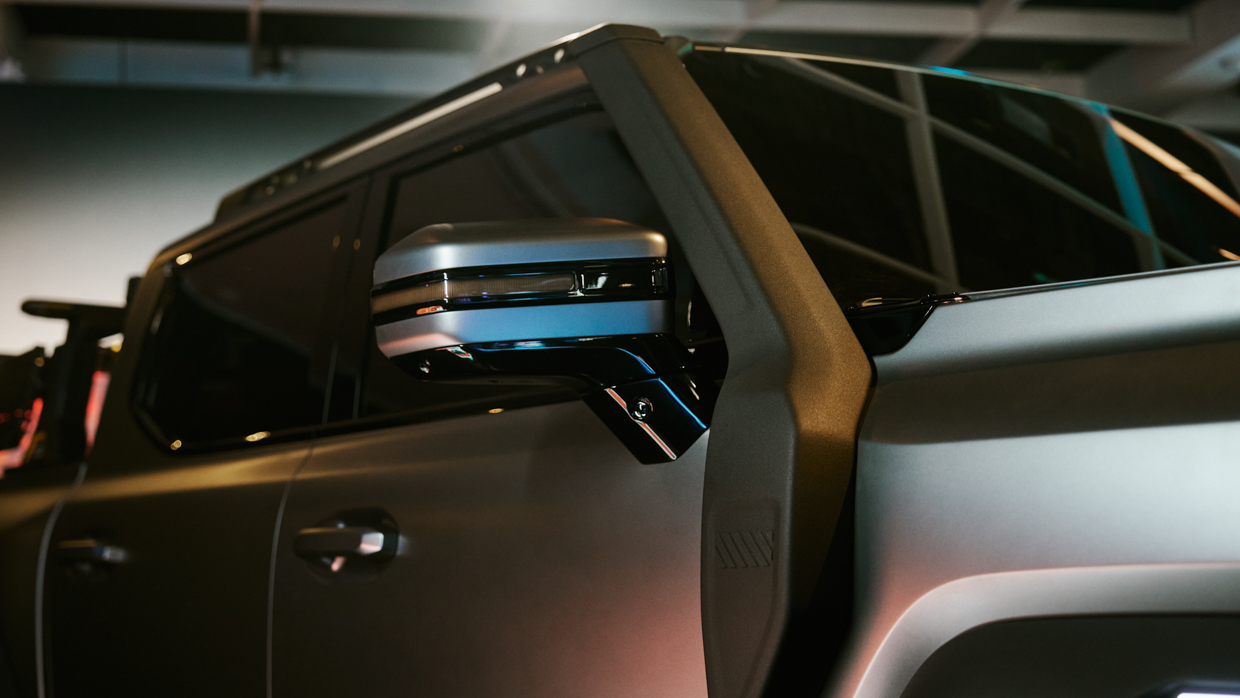
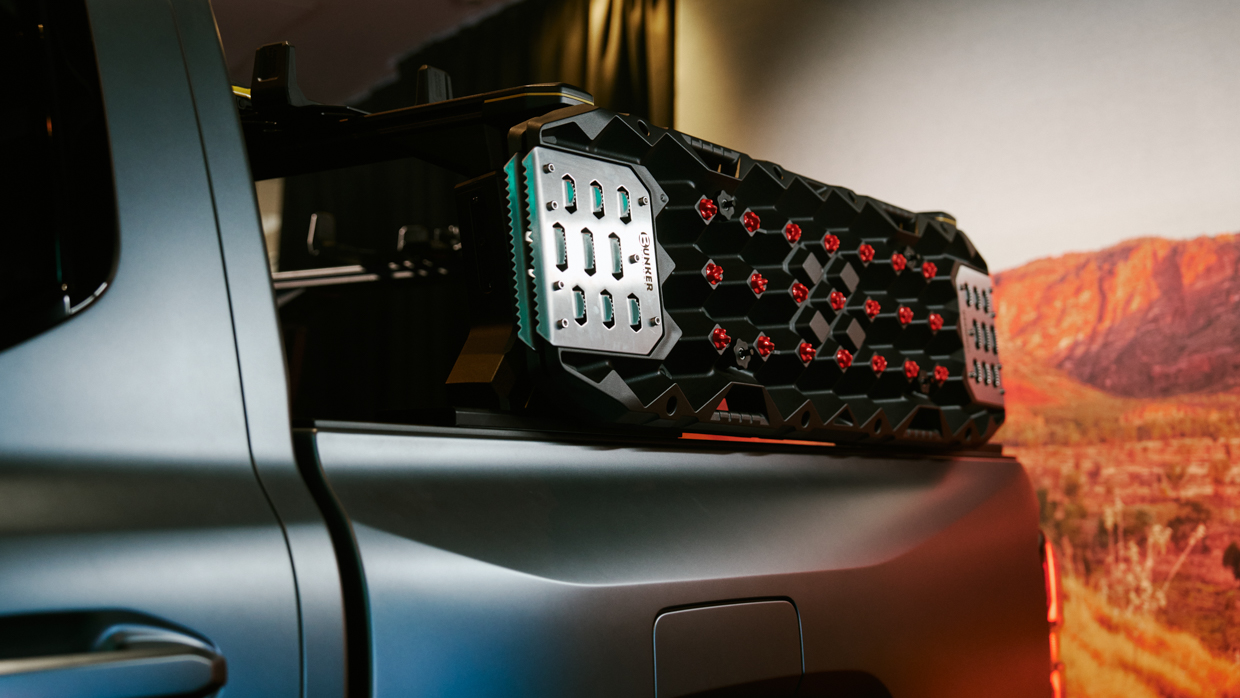
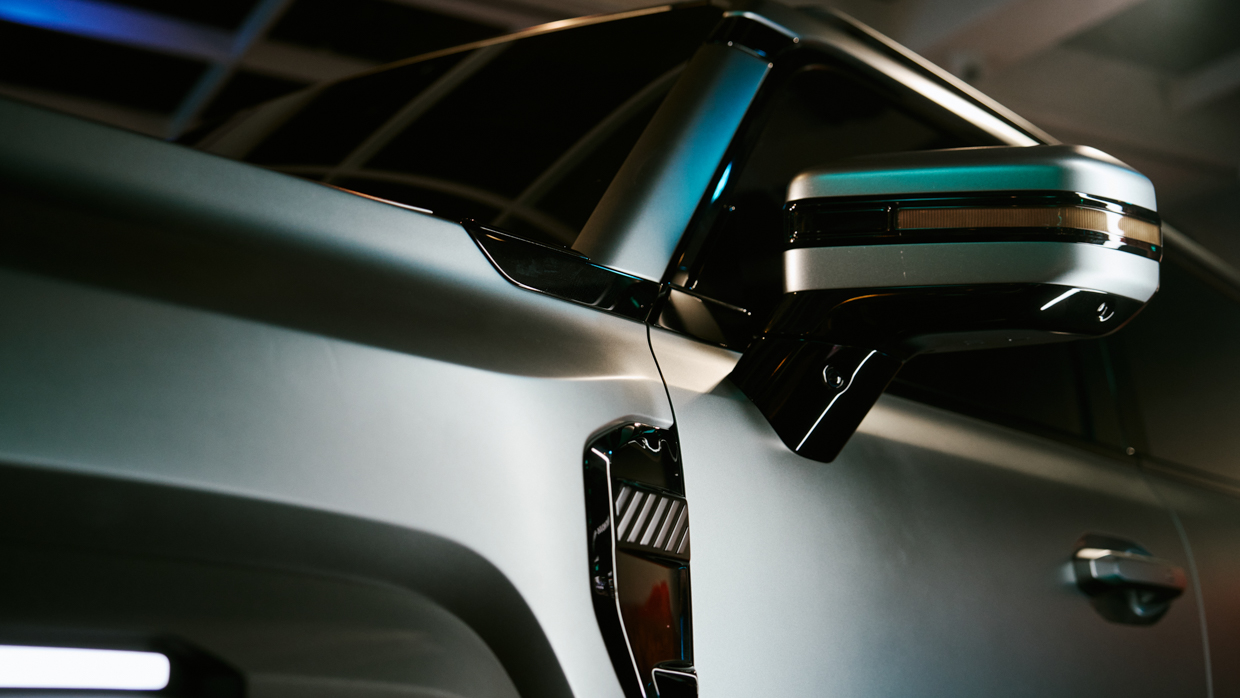
Visually, the KP31 concept car features retro-styling reminiscent of a Ford Bronco or Jeep Wrangler. It features prominent, circular LED headlights, distinct ‘CHERY’ lettering on the front and rear, A-pillar-hugging snorkel, and factory-fit recovery tracks.
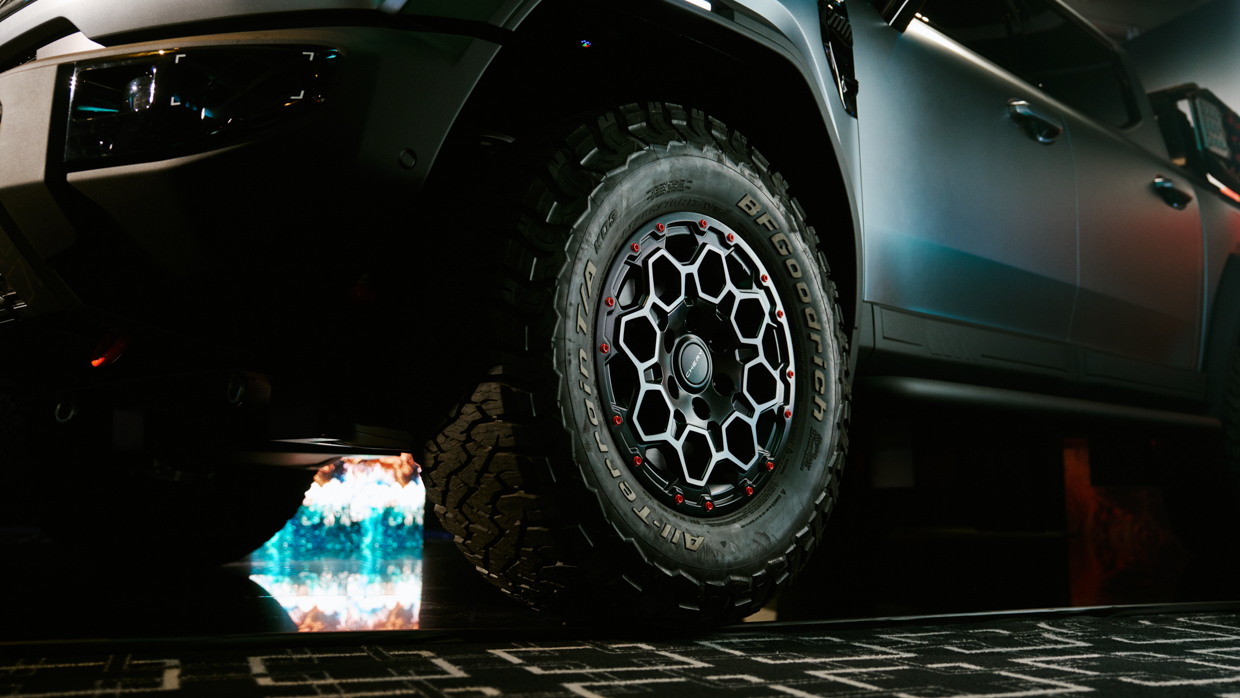
Flared wheel-arches frame chunky, 285/70 R17 BF Goodrich all-terrain tyres, which lift the ute’s already raised body even further. The visual appearance of the production ute should be “very close” to the concept.
When asked about a Ford-Everest style SUV variant of KP31, Chery revealed that while the shape isn’t currently being discussed, it hasn’t been ruled out, either.
Attending KP31’s global reveal, Chery COO Lucas Harris told Chasing Cars that the Chinese carmaker will for now be focusing R&D on its diesel-PHEV drivetrain. “[We have] one chance to prove [Chery’s] capability and credibility for off-road performance,” said Harris.
To accomplish this, diesel KP31 dual-cabs will feature a ladder-frame chassis and solid, leaf-sprung rear axle which supports a 3500kg braked towing capacity and one-tonne payload.
Three locking differentials — front, centre, and rear — should further KP31’s capabilities.
In contrast, petrol-powered KP31 dual cabs will make use of an independent rear end, likely reducing payload and towing capacity in favour of on-road ride and handling.
“We want a more compliant and comfortable highway around town variant, which I think the petrol is better suited,” said Harris.
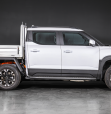
Upon its Q4 release, the KP31 will be sold exclusively in dual-cab, tub tray form. Removal of the tub is possible, and a cab-chassis variant could come later on.
Combined efficiency, power outputs, EV battery sizes, charge times and EV-driving figures for both powertrains are yet to be confirmed. Chery claims its diesel PHEV will be “10-percent more efficient” when compared to the average diesel powertrain, and that EV-driving range “would have to be in three figures”.
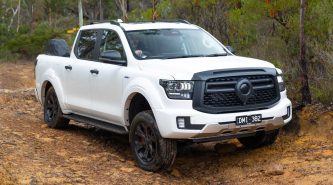
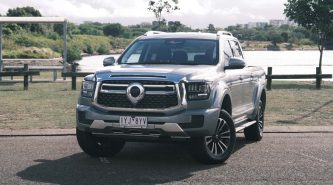
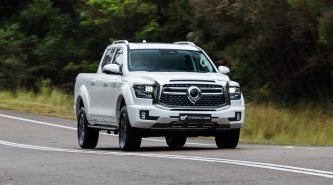
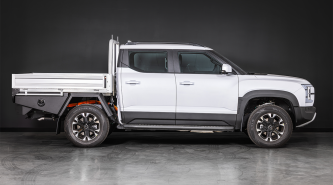
For reference, the BYD Shark 6 features a 29.6 kWh battery to produce a driving range of 100km, while the GWM Cannon Alpha PHEV features a larger 37.1kWh battery to drive up to 115km. Both figures are NEDC.
Latest news
About Chasing cars
Chasing Cars reviews are 100% independent.
Because we are powered by Budget Direct Insurance, we don’t receive advertising or sales revenue from car manufacturers.
We’re truly independent – giving you Australia’s best car reviews.