Powered by

-
Car Reviews
Latest reviews
-
Car News
Latest news
-
Car Comparisons
Latest comparisons
- Chasing Deals
Latest reviews
Latest news
Latest comparisons

Vehicle emissions results collected between July and December 2025 show that while many carmakers have met or exceeded targets, some have fallen far below
About 70-percent of carmakers in Australia have successfully avoided initial CO2 penalties put into effect by the New Vehicle Efficiency Standard Regulator (NVES), leaving 30-percent facing huge potential fines which will only worsen year-on-year.
The fines will be formally issued in February 2028, multiplying Interim Emissions Value (IEV) results by $50 AUD, in some cases totalling millions of dollars.
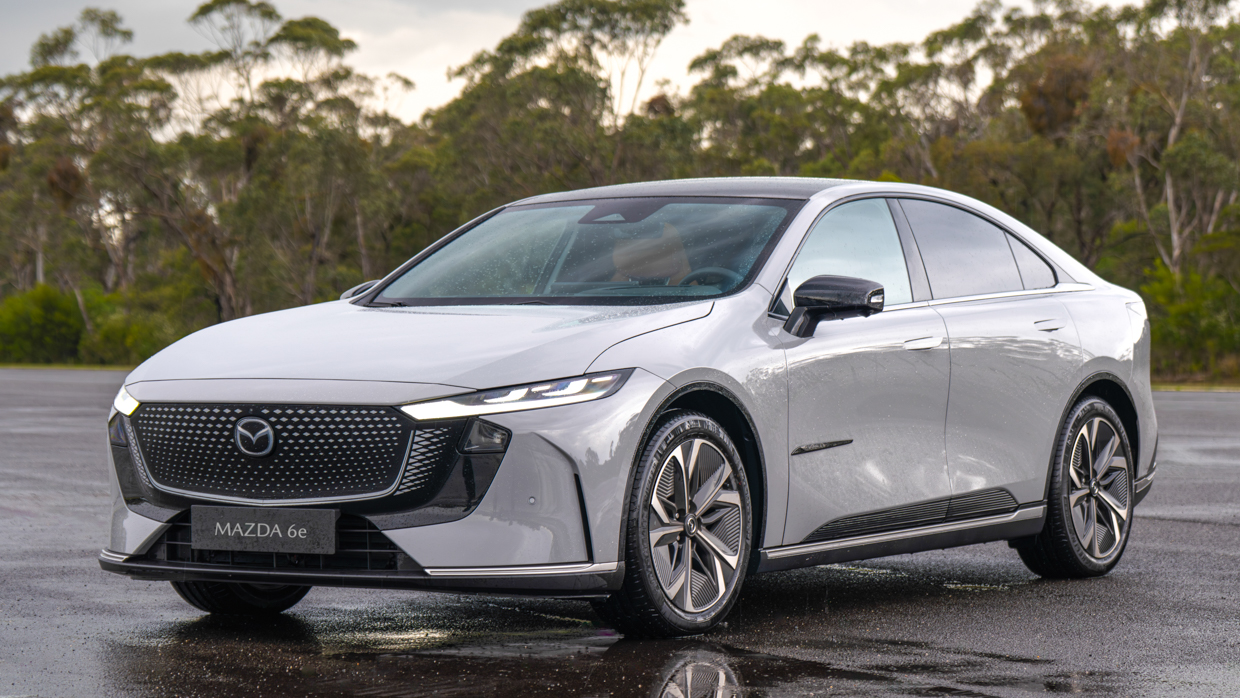
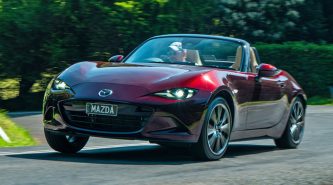
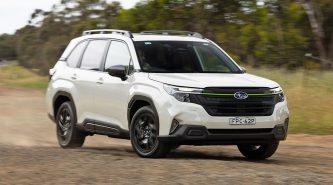
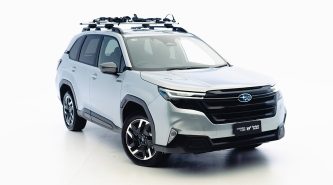
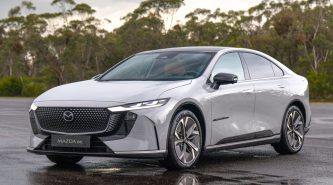
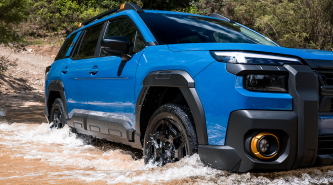
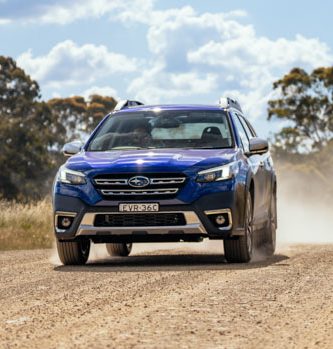
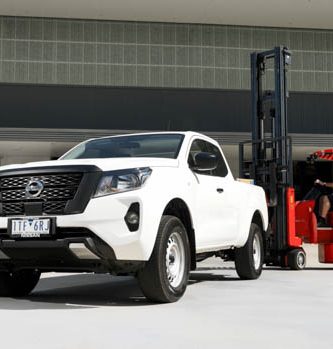
Initial results show 2025’s third most popular carmaker, Mazda, as the front-runner in penalties, with an IEV of 508,517 — representing a potential fine of ~$25.4 million. Runners up include Nissan with 215,261 (~$10.8 million), and Subaru with 139,635 (~$7.0 million).
Mazda, Nissan, and Subaru are the top three of 19 brands which fell short of their Type 1 and Type 2 emissions targets. These 19 carmakers will have less than two years to clear their debts, or suffer the consequences.
Conversely, 40 brands met or exceeded their IEV targets, the latter accruing credits which can be sold to other automakers, or applied to less efficient vehicles.
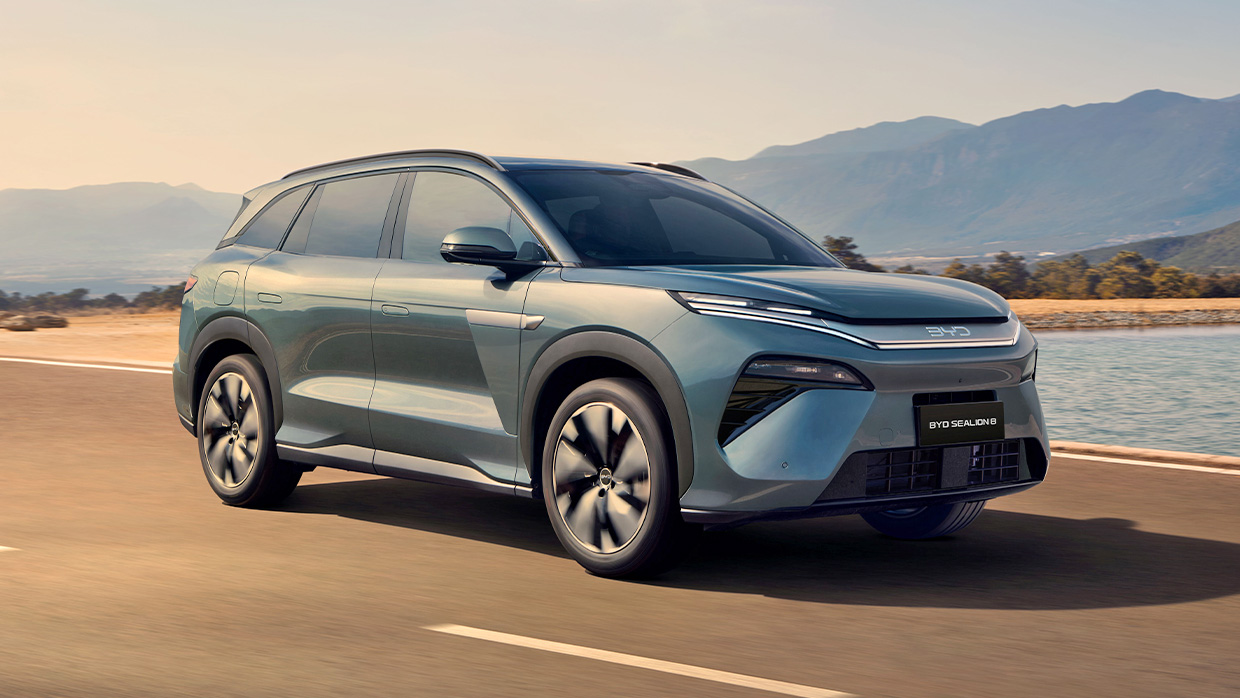
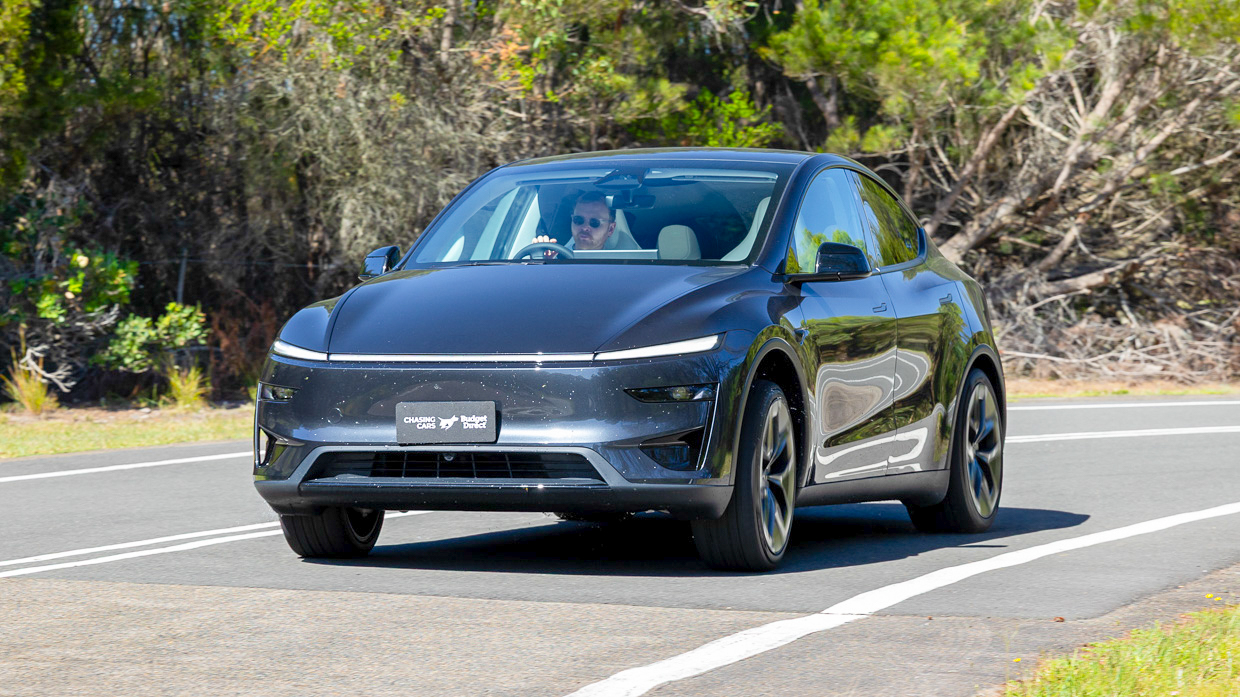
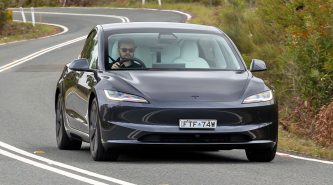
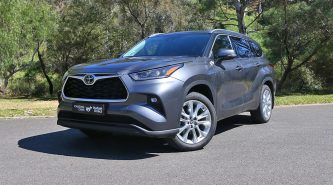
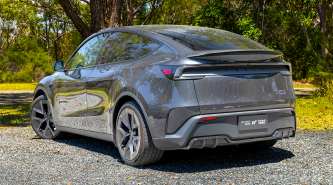
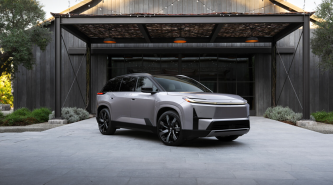
BYD led the pack for efficient vehicle manufacturing, mustering an IEV of -6.3 million to total a theoretical ‘value’ of ~$314 million. Hybrid-obsessed Toyota snagged second with -2.9 million (valued at ~$145 million), and Tesla third with -2.2 million (~$110 million).
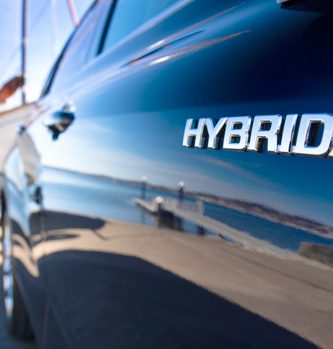
Diversification of vehicle powertrains, introduction of new EV models, and the widespread use of mild-hybrid systems, particularly observable with Toyota, are all attributed as the driving reason for many automakers meeting 2025’s IEV goals.
“An increase in the range of zero and low emission vehicles available in the Australian market have supported the achievement of the first-year targets,” said Tony Weber, chief executive of the Federal Chamber of Automotive Industries.
Further information on industry terms and government regulations, including NVES, IEV, FEV, “Type X” vehicles, CO2, and how penalties are applied, continues below.
Established on 1st January 2025, NVES is a government-operated regulatory body which sets vehicle CO2 emissions targets for all new vehicles sold in Australia between 2025 and 2029.
New vehicles are sorted into two types, each with their own emissions thresholds. ‘Type 1’ refers to most passenger vehicles and SUVs, while ‘Type 2’ is oriented towards commercial vehicles, utes, and off-road SUVs.
Type 2 vehicles adhere to less stringent emissions targets.
Last year’s emissions limits were averaged to be 144 grams of CO2 per kilometre for Type 1 vehicles, and 214g/km for Type 2 vehicles. Automakers are rewarded with credits for vehicles which perform below the threshold, and penalised for exceeding it.
Vehicle emissions are averaged over a six-month period, where an ‘Interim Emissions Value (IEV) is generated. An IEV simply represents how an automaker tracks with regulations, where a negative IEV signifies credits, and a positive IEV represents debits.
According to NVES, automakers will have until February 2028 to level out their positive IEV values, whether that is accomplished by purchasing credits from other, more behaved brands, selling highly efficient vehicles like PHEVs and EVs, or strategising a blanket vehicle cost increase, with the intent to pass on the fine to the consumer.
This year’s emissions targets are set at 117g/km for Type 1 vehicles and 180g/km for Type 2. Next year, 92g/km (Type 1) and 150g/km (Type 2), 2028 68g/km (Type 1) and 122g/km (Type 2), and finally, 2029 set at 58g/km (Type 1) and 110g/km (Type 2).
In simple terms, all petrol and diesel vehicles, hybrid or otherwise, produce CO2. It is a necessary byproduct of conventional internal combustion, where fuel is combined with pressure and ignition to produce CO2 and energy.
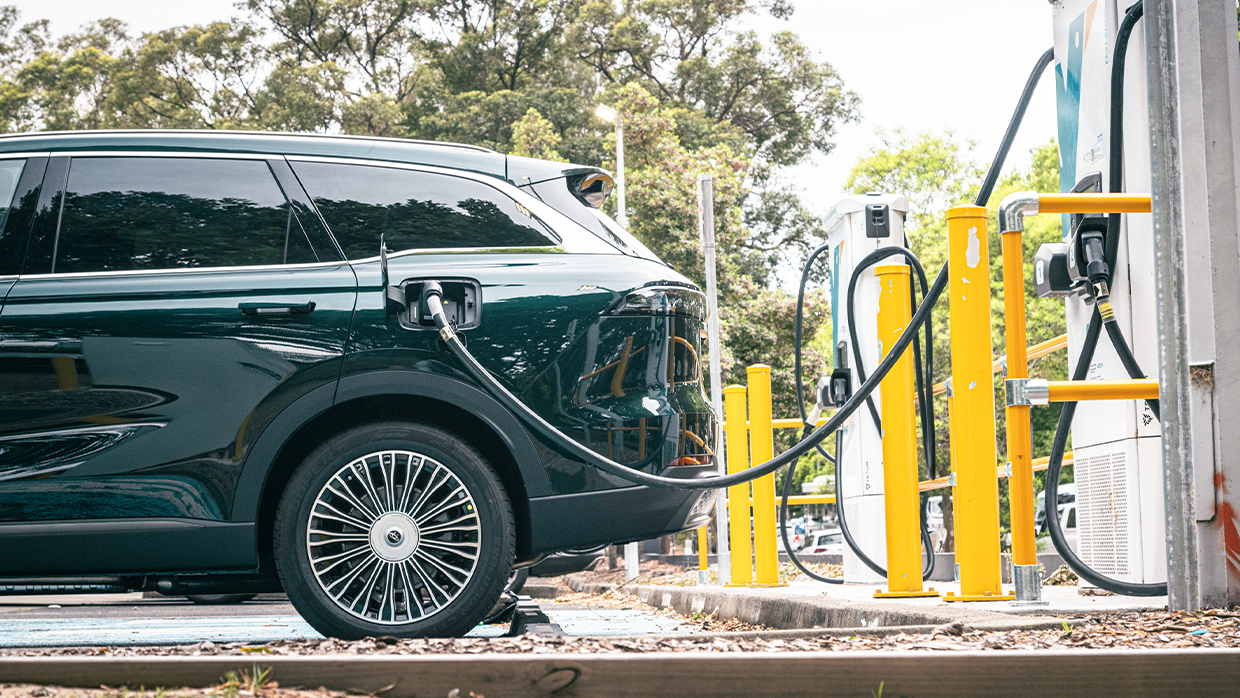
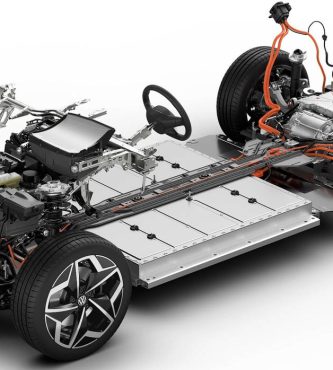
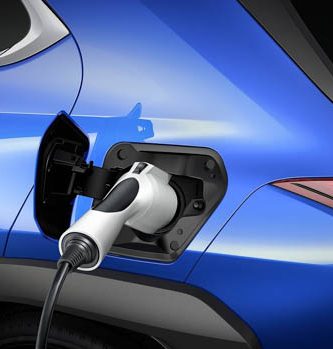
Of course, recent automotive technology has seen electric vehicles, which theoretically produce no emissions at all, and hydrogen-powered vehicles, which combine hydrogen and oxygen to produce energy and water, bypass the direct production CO2.
Combustion vehicles like cars, buses, trucks, planes, and trains have all contributed to an abnormally large amount of CO2 entering the atmosphere over the past 100 years.
CO2 is a greenhouse gas, meaning an excess contributes to the greenhouse effect, a key component of global warming.
The more CO2 the Earth produces, the more heat from sunlight is trapped in the atmosphere, and the more the Earth’s temperature rises.
This is why regulatory bodies like NVES have been implemented around the world in an attempt to reduce or eliminate the unnecessary production of greenhouse gasses, in an effort to maintain livable conditions on our planet.
Latest news
About Chasing cars
Chasing Cars reviews are 100% independent.
Because we are powered by Budget Direct Insurance, we don’t receive advertising or sales revenue from car manufacturers.
We’re truly independent – giving you Australia’s best car reviews.