Your guide to understanding key differences between self charging hybrid, plug-in hybrid, and pure electric vehicles
Choosing between a hybrid (HEV), plug-in hybrid electric vehicle (PHEV), or a fully electric vehicle (EV) can feel overwhelming in today’s car market.
Hybrids were already popular before the current fuel-price situation, and now demand for electrified vehicles – including battery electric cars – has accelerated.
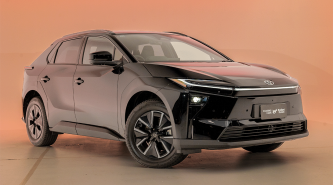
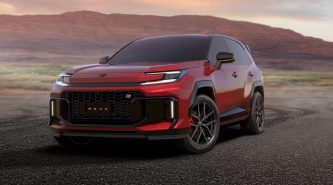
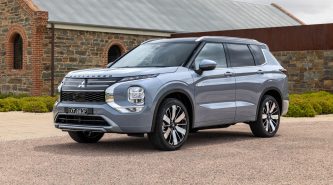
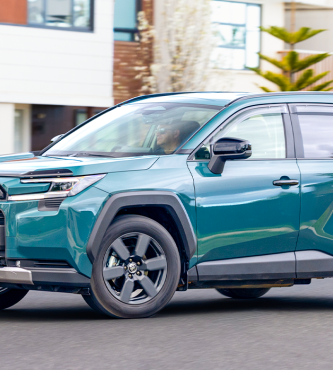
Pictured: 2026 Toyota RAV4 plugless hybrid
But with ever-increasing choice for buyers, and major differences between the different types of electrified vehicles, what is the best option for you?
There are advantages and disadvantages to each powertrain category, and your lifestyle, home set-up, and driving preferences can heavily influence how you choose your next car.
Here’s Chasing Cars’ guide to understanding the pros and cons of HEVs, PHEVs, and BEVs…
HYBRIDS (SELF-CHARGING)
There are ‘mild hybrids’ in the market, which live up to their name in two ways: the electric contribution to the driving experience and the fuel savings are both mild.
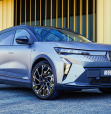
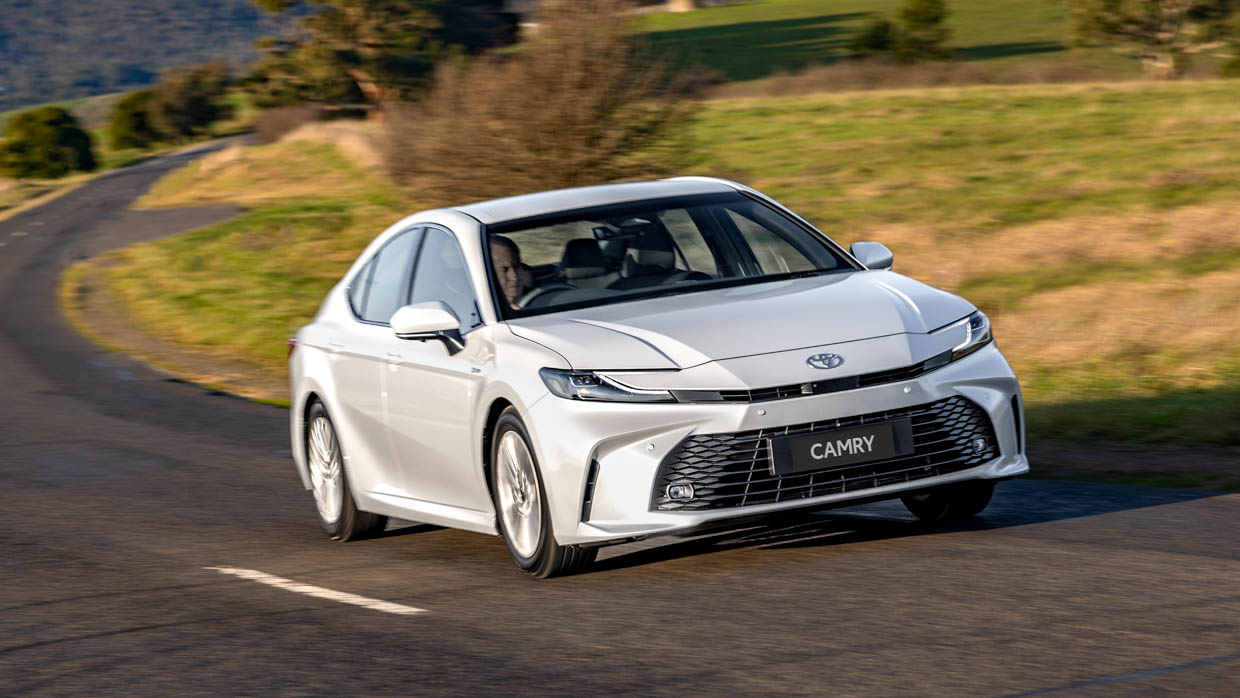
Pictured: 2026 Toyota Camry plugless hybrid
Here, we’re focused on regular ‘self-charging’ hybrid vehicles that pair an internal combustion engine (ICE) with an electric motor for more meaningful fuel economy improvements and generally stronger performance.
Also known as a ‘series-parallel’ hybrid, the powertrain can drive a vehicle using combustion or electric drive, or combine both simultaneously.
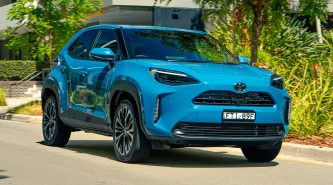
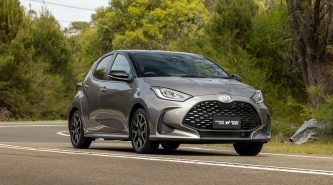
Toyota led the way for mainstream hybrids with the Prius more than 25 years ago, and it has some of the most popular petrol-electric vehicles in the market, including the RAV4 midsized SUV.
The majority of car makers, however, now offer a broad range of hybrid vehicles that have exploded in popularity in recent years owing to their efficiency and plugless convenience.
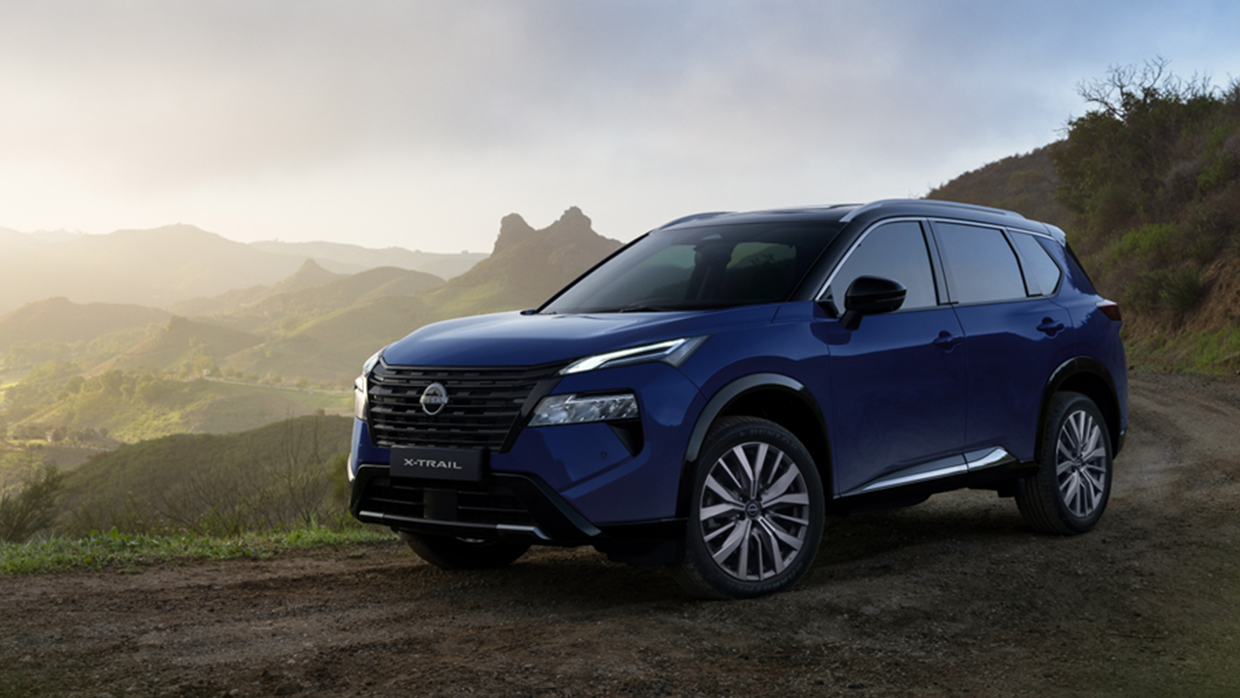
There are some technical exceptions, such as Nissan’s ‘e-Power’ technology, which is an electric-drive system that uses the petrol engine as a generator only to recharge the vehicle’s battery.
Pros:
Improved fuel efficiency mostly in urban driving: Hybrids are best at saving fuel in city and urban areas with high traffic, as the electric motor is functionally most efficient in low-speed driving. Therefore the more the electric motor is powering the vehicle while driving at lower speeds, the further the driving range will be extended on one tank of fuel.
Zero charging hassle: Unlike a PHEV or EV there is no need to plug in your hybrid to charge the battery. ‘Self-charging’ hybrids get their name from their ability to replenish their batteries during driving – by the petrol or diesel engine acting as a generator, and via regenerative braking. Regen braking is the process of energy being fed back into the battery when braking or lifting off the accelerator pedal.
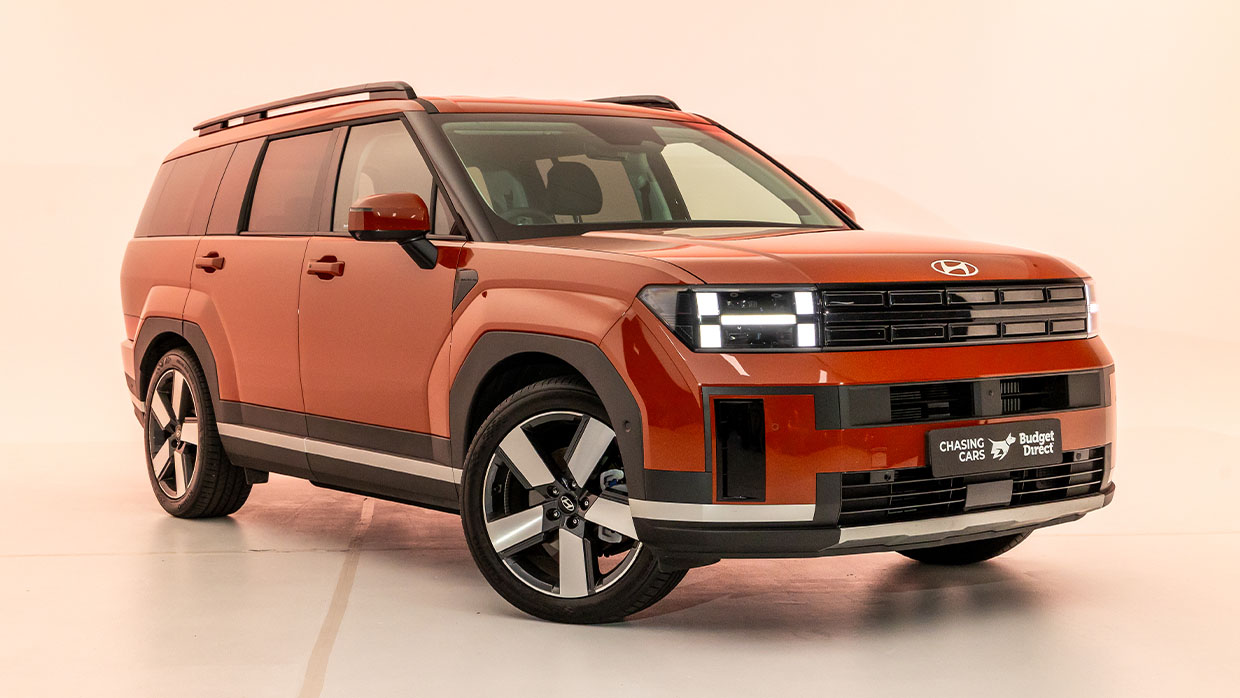
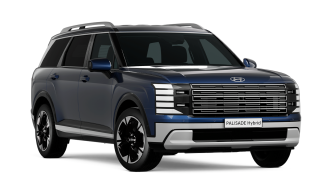
Pictured: 2026 Hyundai Santa-Fe plugless hybrid
Reduced running costs beyond fuel: When the regenerative braking system is used to slow the car and recharge the battery, it reduces wear and tear on the brake pads because the physical braking system is being used less. This reduces how frequently they will be replaced at servicing intervals.
Performance boost: Electric motors deliver their maximum torque from zero rpm, combining with the combustion engine to give hybrids strong acceleration.
Cons:
Highway driving isn’t transformative: Traditionally, self-charging hybrids haven’t returned efficiency benefits at higher speed, such as freeway driving, because the petrol engine is doing all the heavy lifting.
Very limited electric range: The battery in a typical self-charging hybrid is relatively small, which limits electric-only driving to low speeds and short periods of operation.
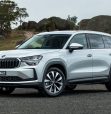
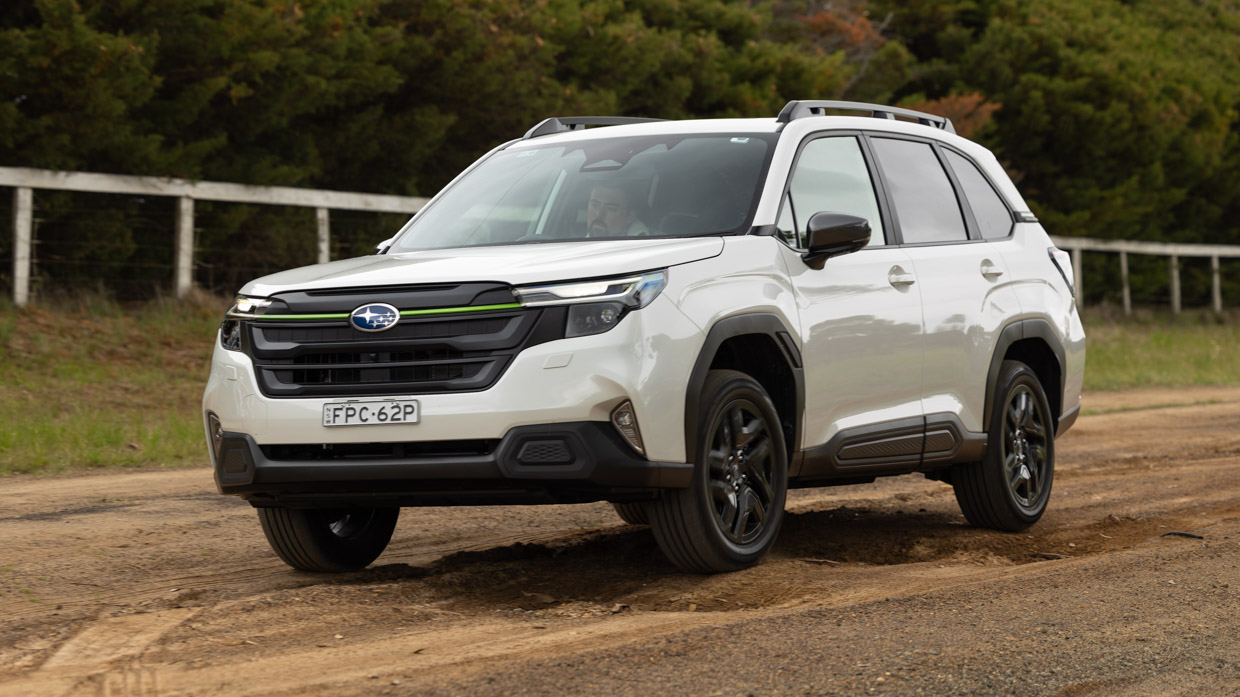
Pictured: 2026 Subaru Forester plugless hybrid
Reduced cargo space and no spare: A hybrid’s battery system is typically positioned towards the rear of the car, commonly compromising boot space compared with a petrol-only version of the same vehicle. This typically creates another drawback: a tyre repair kit instead of a spare tyre.
Higher purchase price: Hybrid models can cost between $3000-$8000 more than its petrol counterparts in the same model range. It can take several years to recoup the cost premium on the initial investment based on the fuel savings alone.
PLUG-IN HYBRID VEHICLES (PHEVs)
If you’re not ready to fully commit to an electric vehicle, a plug-in hybrid electric vehicle (PHEV) is the middle ground between a conventional hybrid and an EV.
PHEVs feature bigger battery packs than self-charging hybrids, allowing for a more meaningful electric-only driving range while still combining drive with a petrol engine for long combined range.
Pros:
Genuine electric-only driving: PHEVs typically offer between 50-100km of pure electric driving, with many now starting to offer more than 100km. For many Australian drivers, that easily covers the daily commute to the office and back, meaning you might rarely visit a petrol station if you’re charging regularly at home.
Reduced brake wear: Just like self-charging hybrids, PHEVs benefit from regenerative braking, therefore extending the life of brake pads.
Significantly lowered range anxiety: PHEV owners don’t need to worry about their vehicle’s battery running out and leaving them stranded. Once the battery reaches a certain level, the powertrain will use the petrol (or diesel) engine predominantly. The combination of battery range and tank range give PHEVs some of the longest theoretical driving ranges (without the need to stop).
Significantly reduced fuel consumption: If you’re diligent about charging your PHEV, and running it mostly on the electric motor, official figures are often in the 1.0-2.0L/100km bracket, sometimes less than 1.0L/100km
Cons:
Substantial weight increase: The addition of a sizable battery and motor assembly to a vehicle already carrying an internal combustion engine typically has a detrimental effect on both efficiency and handling.
Compromised packaging: A PHEV’s large battery is generally positioned either under the rear seats or under the boot floor, which can respectively compromise rear-seat space and cargo capacity. As with regular hybrids, tyre repair kits are common in lieu of a spare tyre. And many models available as seven-seaters in ICE form only offer five seats in PHEV form.
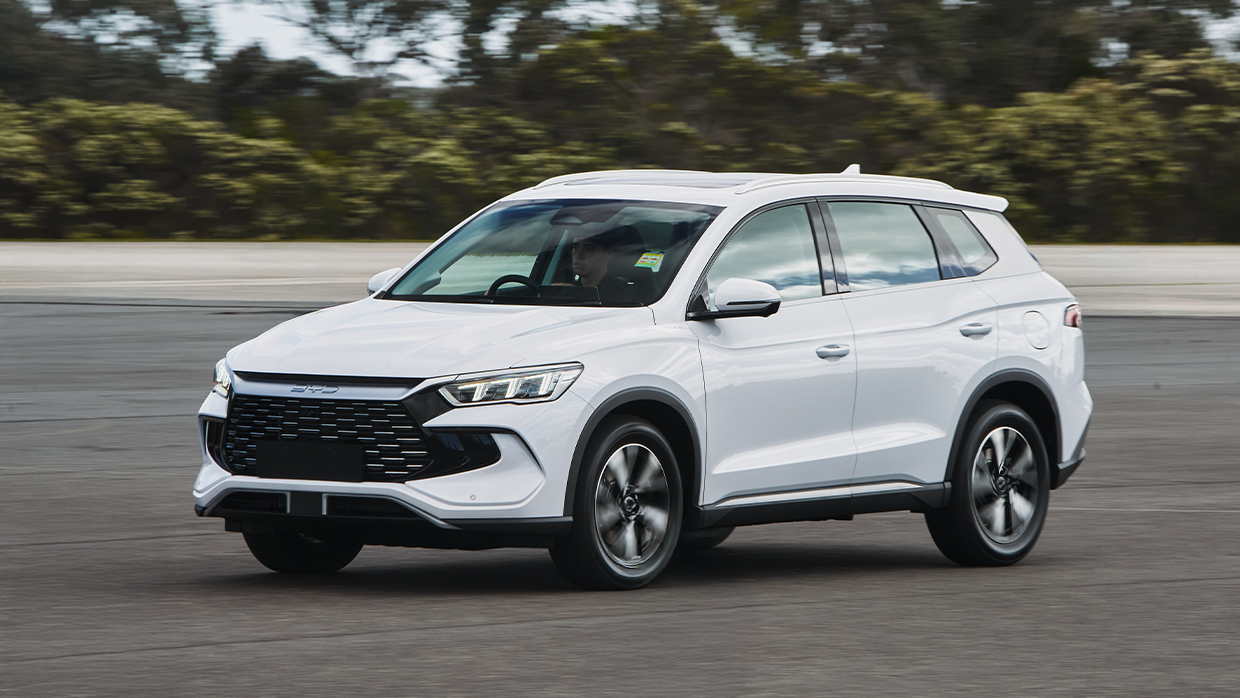
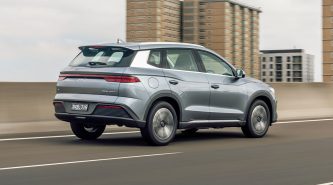
Pictured: 2026 BYD Sealion 5 Plug-in Hybrid
Inefficient on low battery: Without a sufficiently charged battery, a PHEV becomes a relatively inefficient hybrid car running mostly on petrol or diesel alone. And because a PHEV is usually heavier than a regular hybrid, fuel consumption can climb markedly.
Limited electric range: While the EV driving ranges of plug-in hybrid vehicles continue to improve, they are still significantly shorter than the distances offered by fully electric vehicles. They require much more frequent recharging to enjoy the benefits of EV-only driving.
Higher purchase price: PHEVs are typically more expensive again than regular hybrids. While diligent recharging can acceleration fuel savings, the payback period can still be lengthy.
ELECTRIC VEHICLES (EVs)
Fully electric vehicles dispense completely with combustion engines to be powered purely by a (big) battery.
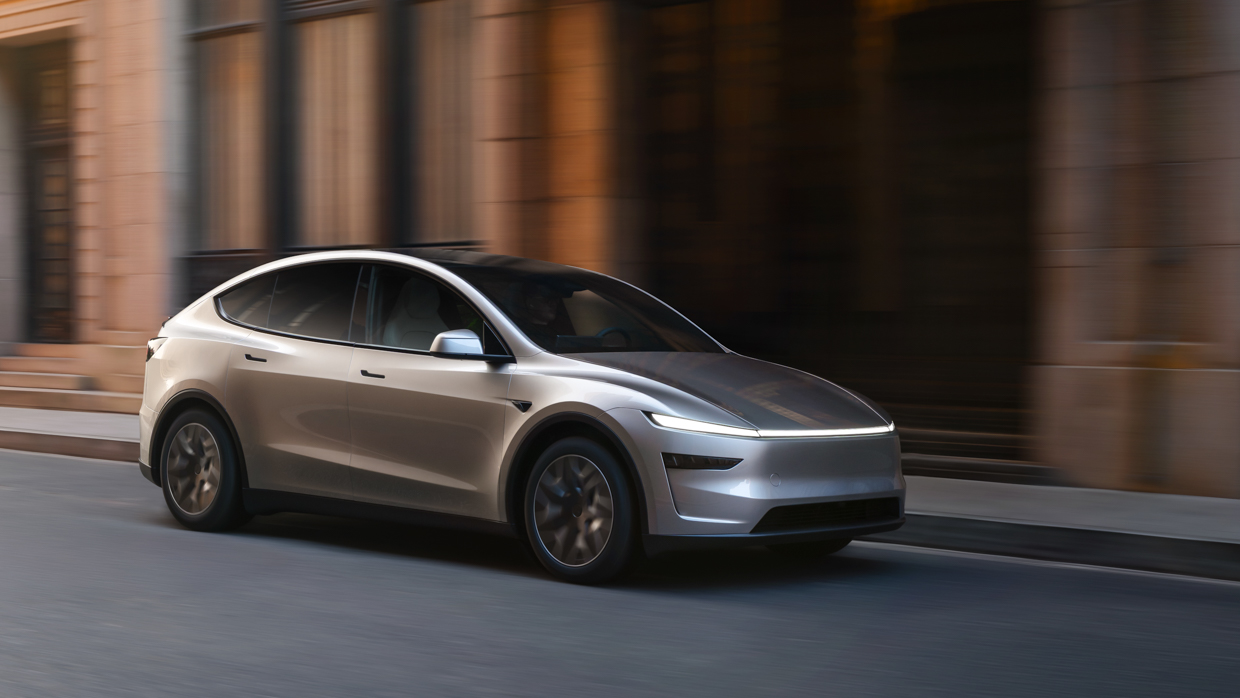
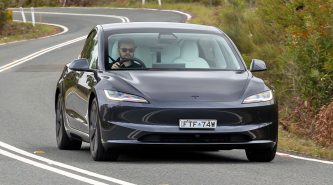
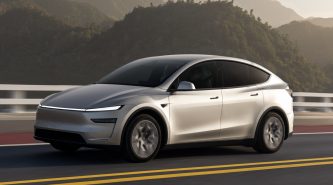
Pictured: 2026 Tesla Model Y ‘L’ EV
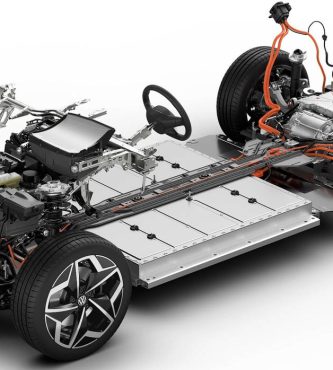
Most modern EVs utilise a ‘skateboard’ battery platform, where a large battery is integrated low down in the chassis.
They are typically powered by either a single motor or dual motors. Single-motor EVs are either front-wheel or rear-wheel drive and generally offer a longer range compared with the same model that uses dual motors. Dual-motor EVs are all-wheel drive and generally the fastest models.
Large batteries are important for delivering longer distances without the need to recharge, though car makers continue to find ways of shrinking batteries while also improving energy density.
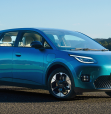
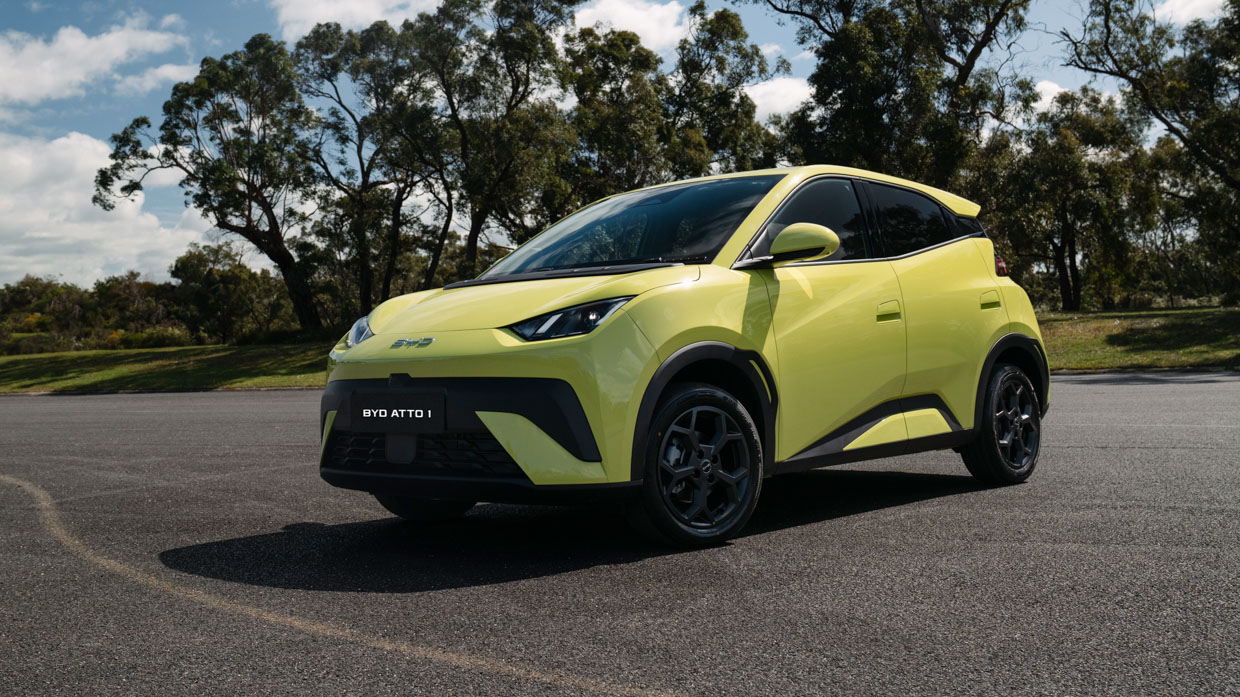
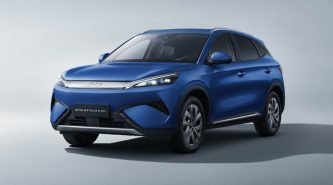
Pictured: 2026 BYD Atto 1 EV
The majority of EVs offer between 400 and 500km of battery range, with some claiming more than 700km on a full battery. Some manufacturers are closing towards ranges of 1000km.
Most EVs sit on 400-volt platforms, though the most advanced electric cars use an 800-volt architecture that enables faster recharging times.
Pros:
Lower running costs: Electricity can be significantly cheaper than petrol or diesel (and that was before the current fuel-price situation!). If you recharge during off-peak hours, and/or you have solar panels, then costs are further reduced.
Charging at home will typically cost around 25–35 cents per kWh (15–20 cents off-peak), averaging around $15–$25 to fully charge a standard 70kWh battery.
Charging your EV at a charging station is still more affordable than filling up an ICE vehicle at your local petrol station.
At the time of writing, for example, a DC fast charging station like Chargefox costs between $0.30-$0.59/kWh, costing $21-$42 for a 70kWh.
Minimal servicing requirements: Electric vehicles have far fewer moving parts than their combustion engine counterparts. Without the need to change engine oil and tinker in the engine, servicing intervals are typically longer and are generally not as expensive. Brake pads typically last longer thanks to regenerative braking.
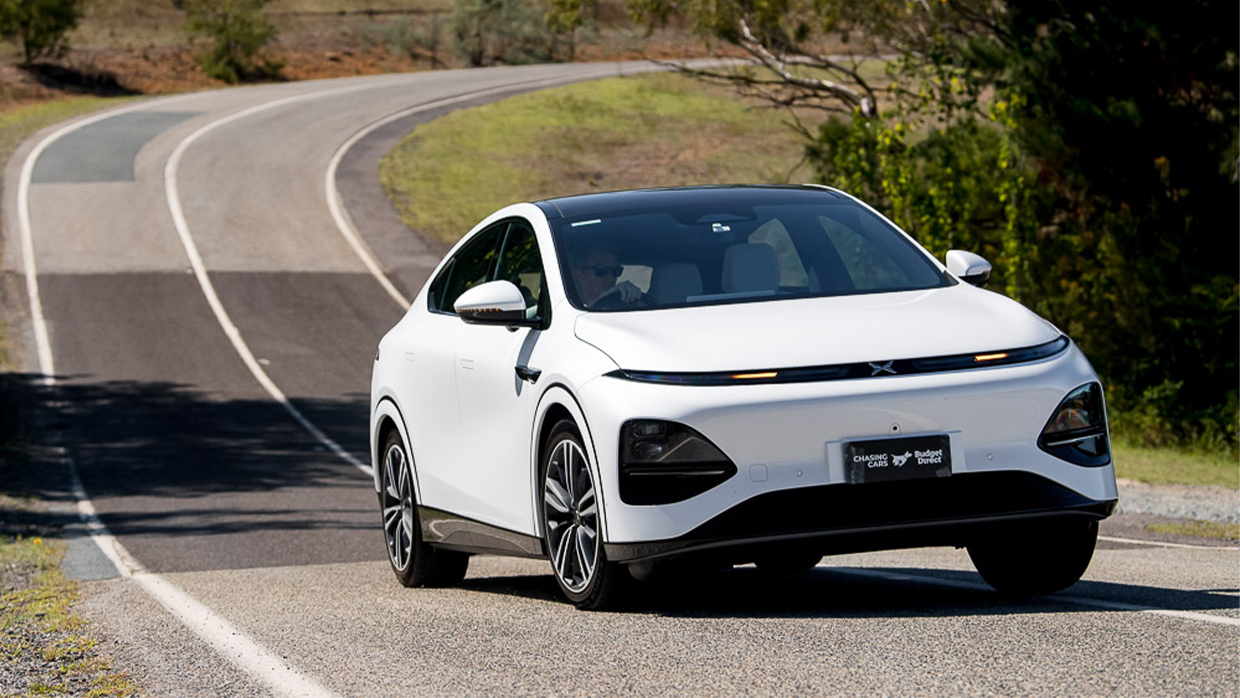
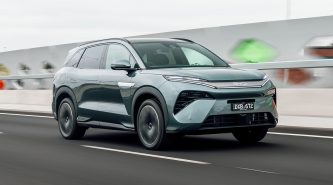
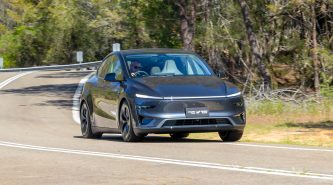
Pictured: 2026 Xpeng G6 EV
Zero exhaust emissions: EVs produce no exhaust emissions, making them better for air quality, especially in urban areas.
Smooth, quick and quiet performance: Electric motors deliver instant torque from zero RPM, delivering immediate response and linear acceleration. Many EVs are remarkably fast, especially those featuring dual motors. The absence of a combustion engine also makes the driving experience much quieter.
Home charging convenience: If your EV is ‘running on empty,’ there is no need to worry about finding the next closest petrol station, or leaving for work extra early to get fuel on your way into the office. For those with off-street parking, just plug-in when you get home to replenish your depleted battery.
Cons:
Limited and inconsistent charging infrastructure: If you don’t have the ability to charge your EV at home, when and where you charge needs careful consideration.
While charging infrastructure in Australia is improving, it remains relatively limited – especially outside of cities. There are smartphone apps dedicated to charging station locations, though they don’t always communicate if they are out of order.
Charging bays are often limited and can be busy, enforcing a wait before you even take recharging time into account.
Range anxiety on long trips: While the driving range on EVs continues to improve – such as the Tesla Model 3 Long Range that claims a distance of up to 750km – the aforementioned infrastructure limitations means EV drivers can still get anxious about running out of battery and being left stranded somewhere.
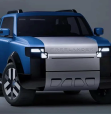
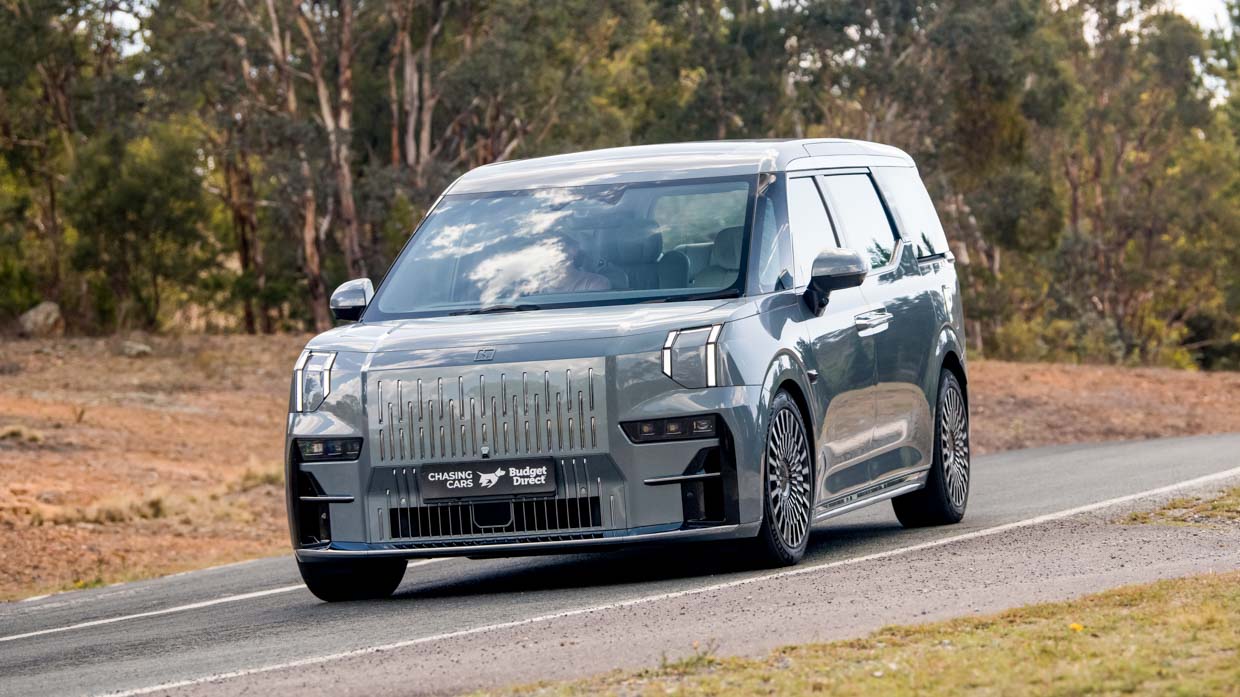
Pictured: 2026 Zeekr 009 EV
Charging time: If it takes five minutes or less to fill a petrol or diesel vehicle, even the fastest-charging EVs take nearly 20 minutes to top up a battery from 10 to 80 percent.
High depreciation rates: EVs have historically experienced higher depreciation rates compared to their petrol rivals. If you plan to own your EV for only a couple of years before selling it, this is a consideration. On the flipside, this makes buying a second-hand EV much more affordable.