Powered by

-
Car Reviews
Latest reviews
-
Car News
Latest news
-
Car Comparisons
Latest comparisons
- Chasing Deals
Latest reviews
Latest news
Latest comparisons
The ability to rapidly flex production of electric, petrol, diesel and hybrid options up and down as demand dictates is seen as a massive advantage at BMW
BMW says it made the right call by refusing to do what was once very fashionable: declaring petrol and diesel cars dead in favour of moving all production to EV powertrains.
Key rivals had joined a wave of carmakers promising to move to electric powertrains later this decade before rescinding the claims as EV demand growth slowed.
BMW resisted that trend in favour and developed a strategy to build key models with a choice of petrol, diesel, hybrid, and electric powertrains, often on a single production line.
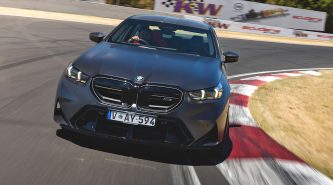
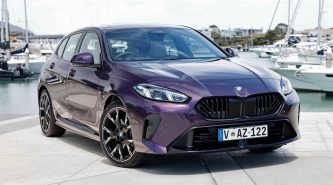
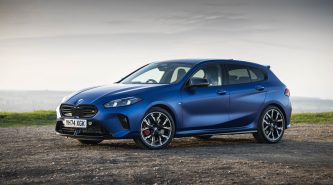
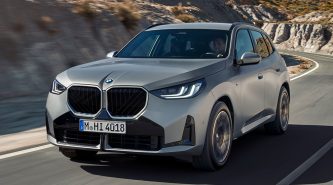
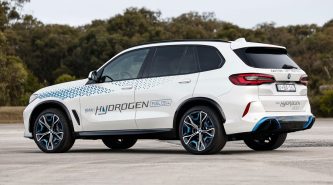
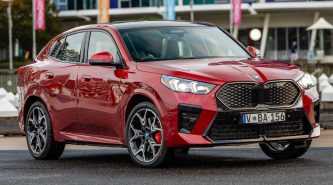
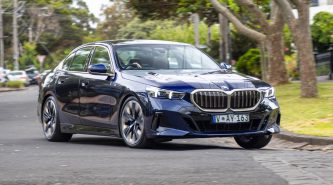
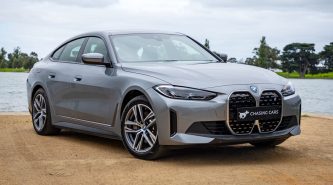
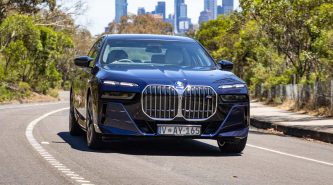
That policy, known internally as ‘Power of Choice’, led to models like the X1, X3 and 5 Series sprouting broad lineups with ICE, hybrid and EV offerings on a single platform and with common styling.
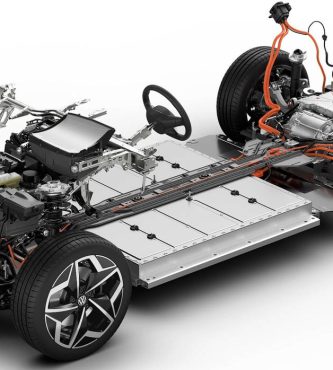
Critics have long argued combustion-derived platforms require compromises to EV cabin space, battery size, and efficiency. BMW now agrees, in its own way.
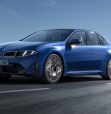
To support new developments in EV tech and demands for greater driving range in midsize cars, BMW is changing its approach: ICE and BEV versions of the latest X3 and 3 Series models will use different platforms that play to their individual strengths.
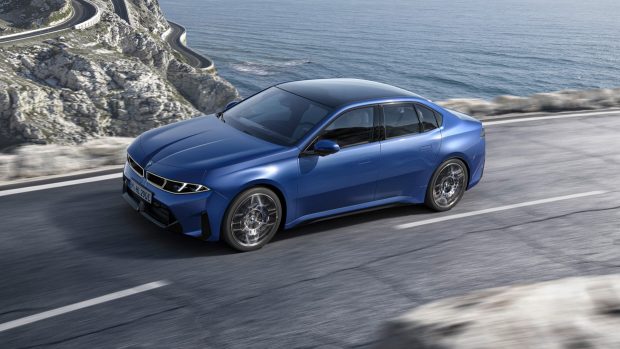
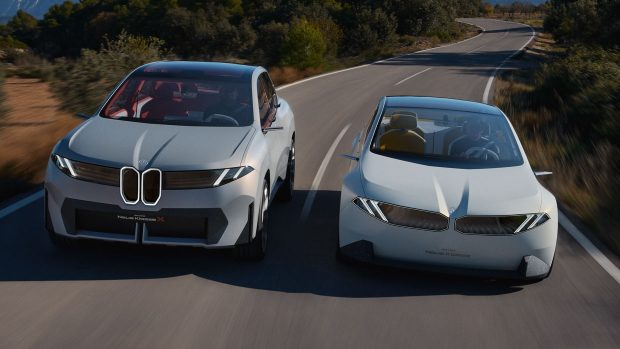
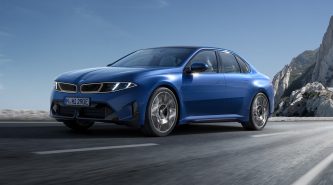
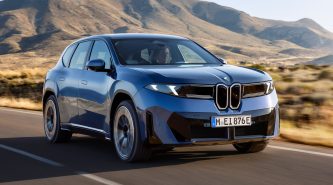
Only the 3 Series/i3 and X3/iX3 have had the split so far. The BEVs deploy a full version of BMW’s ground-up Neue Klasse platform, while the ICE cars use an upgrade to the existing Cluster Architecture chassis, albeit with new zonal electrical systems from Neue Klasse.
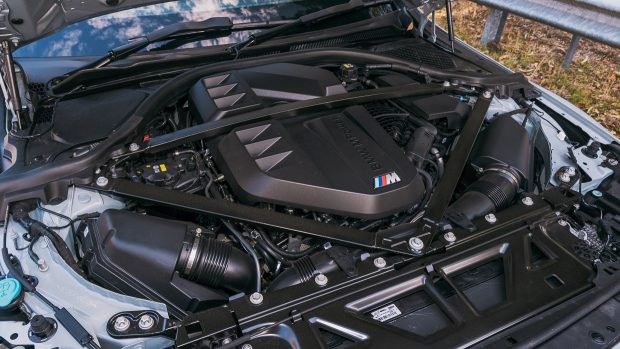
BMW head of Neue Klasse Mike Reichelt explained that a single chassis no longer made sense in the midsize class for space reasons. “The size of the car is not so big that you can easily integrate a straight-six engine in the front and a (big) battery pack like this,” he said.
Some future BMW models will retain the classic ‘Power of Choice’ implementation in which the updated Cluster Architecture platform underpins ICE and BEV versions if space allows.
The Bavarian brand sees two big advantages to ‘Power of Choice’ into the latter part of the 2020s.
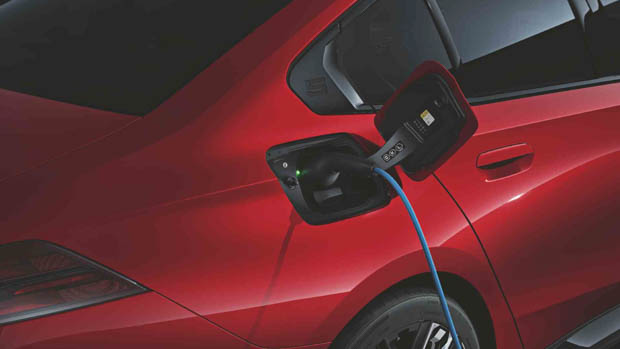
First, customers feel they have a free choice of powertrain type without being forced into an EV. Secondly, BMW can quickly increase or decrease production of ICE, hybrid or BEV variants based on customer demand or government policies, which change frequently.
“I think that has been one of our biggest competitive advantages,” BMW regional sales head Ritu Chandy told Chasing Cars.
“In the end, it is the customer’s choice… given the world we live in, and the dynamics from one day to the next, we believe Power of Choice is the answer.”
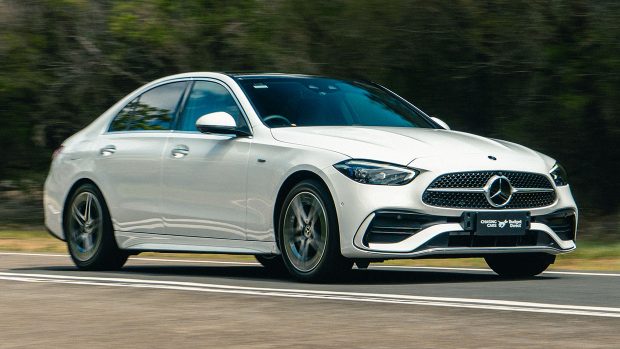
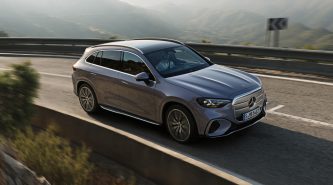
It is a strategy that BMW’s traditional rivals are looking to adopt, in part. Mercedes-Benz has followed BMW in simplifying its GLC and C-Class model structure with ICE and BEV options (on different platforms), while Audi is enmeshing key BEVs into its regular lineup.
BMW has been more profitable than legacy rivals throughout the transition.
In 2025, BMW delivered a broadly even split between ICE, hybrid, and fully electric cars, with electrified models making up a growing share of sales. While the commitment to ICE is not going away, the long-term view is that electrification will ultimately continue to grow.
Recent geopolitical events underline the point. While markets like North America and the Middle East traditionally demand a high share of ICE powertrains, disruption to the oil supply from the United States-Israel-Iran war has triggered a spike in EV demand.
“I was just in Australia. Last weekend, the Australian dealers said every customer who walked through the door was more interested in a BEV than otherwise…there was a really huge focus in terms of battery electrification, given the dialogue, given the oil prices,” Chandy relayed.
While the crisis in the Strait of Hormuz is front of mind, BMW management is cognisant of the fact that changes to government policies like EV subsidies have caused EV demand growth to waver around the world.
There is no plan to discontinue ICE or hybrid options, which have helped to smooth out the peaks and troughs of the transition.
But BMW is spending big on EV technologies, which it predicts will be a long-term winner in the powertrain race. It says the Neue Klasse platform brings gains in range, charging speed and driving dynamics.
“We are a definitely clear believer that battery electrification is the future, and it is definitely going to be a growth driver,” Chandy told Chasing Cars.
“If you look at worldwide markets, if you were to look at ICE and BEV, ICE as a drivetrain is shrinking. That is clear, even if you pull China aside.
“Electrification, whether it is BEV or PHEV, is the growth engine. Investments like Neue Klasse, with the range and battery efficiency (it brings) is going to further propel (EV) adoption, but that does not mean ICE will not play a role.”
BMW thinks its multi-billion-euro investment in Neue Klasse will allow it to offer uncompromising EVs where it makes sense to do so while retaining some flexible architectures where customers want broader powertrain choice.
Petrol and hybrid options will benefit from many of the Neue Klasse platform’s smarts, but not its more modern and more rigid construction.
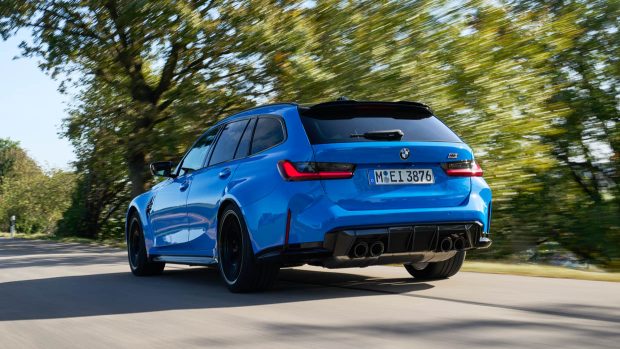
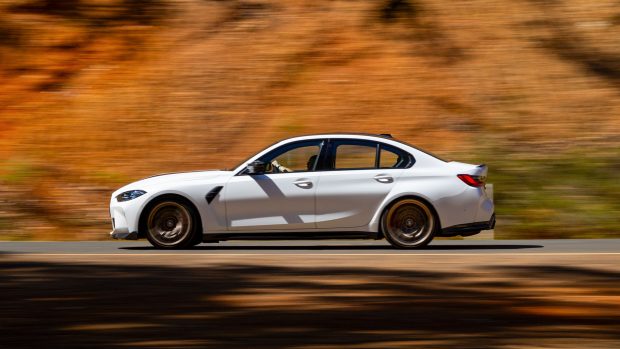
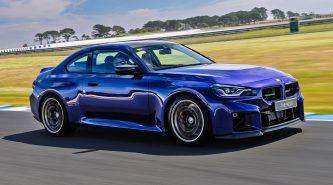
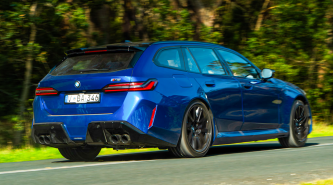
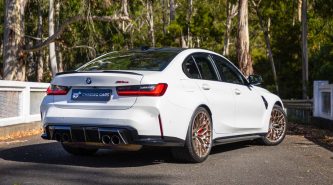
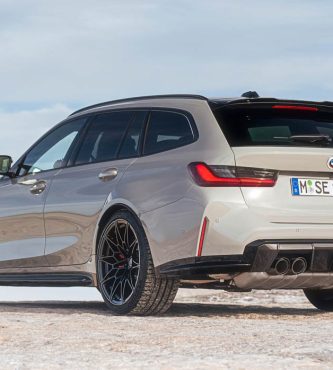
There are still many combustion-powered halo models in the pipeline at BMW. While the brand will sensationally add the choice of a fully electric M3 to the lineup, a petrol six-cylinder will still be offered.
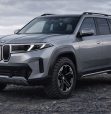
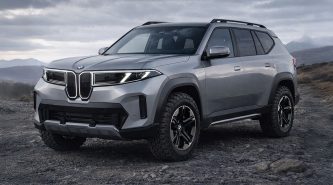
Plus, BMW is examining the potential of a rugged 4WD model to compete with the Range Rover. This top-end X model would likely have a choice of ICE or hybrid power.
Further, the Neue Klasse platform is not completely closed off to future changes — including the integration of a level of combustion tech, such as a petrol-powered range extender to charge up the battery.
“In principle, we could offer (a range extender); the question is what the customers prefer,” Reichelt said when asked about hybridising Neue Klasse.
The brand does not currently see a need to add range extenders to the mix.
“We have such a high e-range and charging speed that we are getting feedback from the ICE market that there is no need for a range extender.
“We are completely convinced that with (900km electric) range and (400kW) charging power, we don’t need it,” Reichelt said.
At the end of the day, global unpredictability continues to govern BMW’s thinking at the highest levels.
The contemporary ‘Power of Choice’ philosophy — combined with a huge investment in Neue Klasse EV tech — was set by Oliver Zipse, who departs as BMW chief executive in May.
Zipse’s successor, production boss Milan Nedeljkovic, is understood to support the policy.
BMW says its true north remains driving dynamics. That’s an area rivals from China are only beginning to target.
“Even though battery electrification democratises 0-100km/h (acceleration), it does not democratise driving dynamics — and that is where BMW is different,” Chandy said.
“If you think about what a lot of the Chinese brands have done, they have rolled out cars with decent content: comfortable seats, intelligent cockpits, BEV (powertrains), but they haven’t quite excelled at driving dynamics.”
Part of the Neue Klasse investment has aimed at translating BMW’s typical control surface responses into electric systems like the ‘Heart of Joy’ control architecture, which it claims is a breakthrough for natural dynamics.
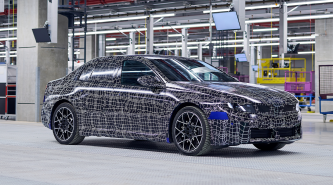
“We did something I am proud to say is the best 3 Series ever, including from the driving dynamics side. It feels like the most agile 3 Series ever. That is not only software — it is the latest hardware technology (combined) with our knowledge,” said Reichelt.
In the meantime, Chinese rivals — like Korean firms before them — are headhunting talent from BMW and other German brands to improve the ride and handling of their cars.
“We welcome that competition,” Chandy said. “It raises the playing field.”
Latest news
About Chasing cars
Chasing Cars reviews are 100% independent.
Because we are powered by Budget Direct Insurance, we don’t receive advertising or sales revenue from car manufacturers.
We’re truly independent – giving you Australia’s best car reviews.