Powered by

-
Car Reviews
Latest reviews
-
Car News
Latest news
-
Car Comparisons
Latest comparisons
- Chasing Deals
Latest reviews
Latest news
Latest comparisons
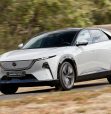
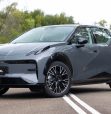
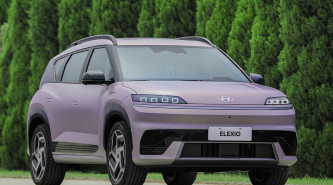
Sharing technical DNA with the Kia EV5, the Hyundai Elexio attempts to improve on its DNA cousin’s dynamics while championing value and cabin space
Given the excellence of their operation and the bravery of their styling, it’s disappointing that Hyundai’s iconic Ioniq 5, polarising Ioniq 6 and commanding Ioniq 9 premium 800-volt electric vehicles haven’t really set the market alight in Australia. But perhaps the new Elexio electric medium SUV could change things.
Sharing its 400-volt underpinnings and BYD-sourced LFP battery with the Kia EV5, the Hyundai Elexio is similarly built in China, though it’s part of a joint venture with Beijing Automotive (BAIC Group) and manufactured in Beijing, with its entire suspension hardware and steering tune specified by Hyundai Australia.
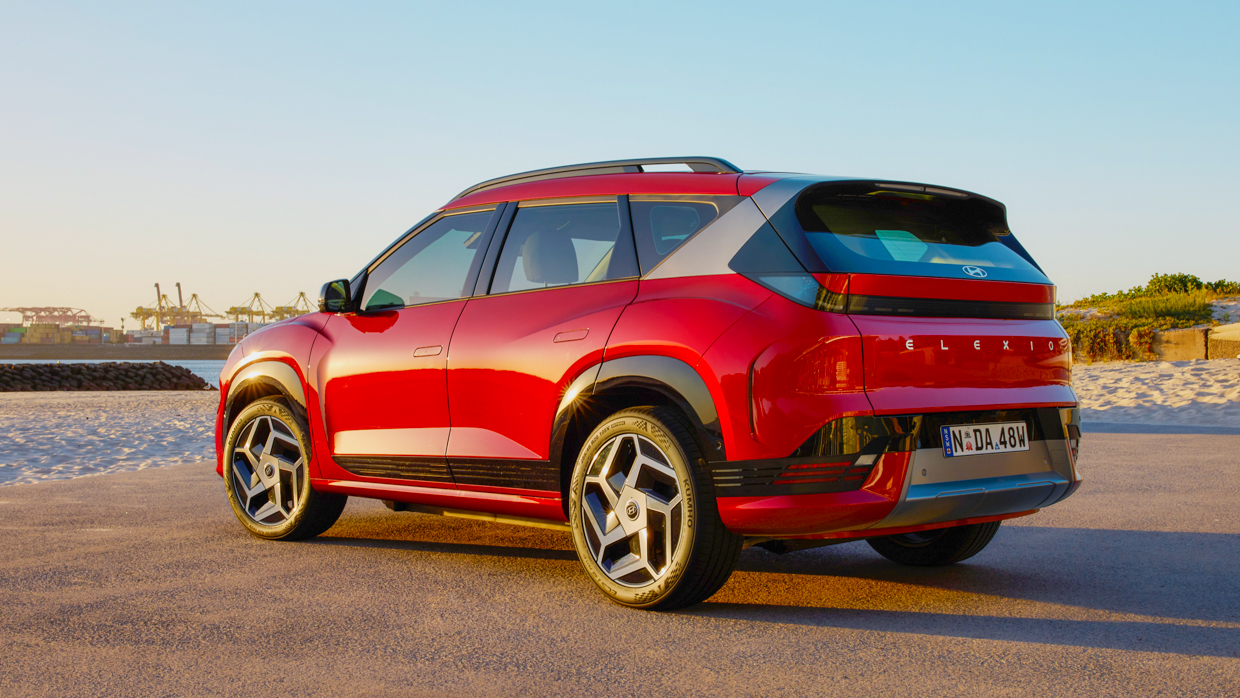
The Elexio’s immediate attraction is its price positioning, with a drive-away launch price of $59,990 for an Elexio Elite – the same as for a Kona Electric Premium Extended Range (also $59,990) and slightly less than a Tucson Hybrid Premium AWD ($60,990 drive-away). The base Ioniq 5’s current drive-away price is $71,990.
But there’s currently no Premium version, meaning the Elite doesn’t offer a sunroof or upgraded stereo, leaving room for a flagship in the future (and a potential dual-motor AWD N-Line version). So perhaps a more accurate price comparison would be Tucson Elite Hybrid FWD, which is $50,990 drive-away and lacks much equipment.
By around April, you’ll also be able to opt for a base Elexio ($58,990 before on-road costs), which chops $3K from the RRP of an Elite but also swaps out the 20-inch wheels (for 18s) and electric leather seats (for cloth).
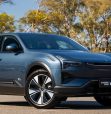
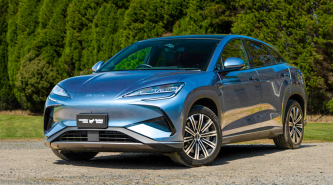
So for now, the sole Elite FWD wedges itself into a highly competitive category headlined by the Tesla Model Y Premium RWD ($58,900 list, 466km of WLTP electric range), Zeekr 7X RWD ($57,900, 480km WLTP), BYD Sealion 7 RWD ($54,990, 482km WLTP), updated Toyota BZ4X FWD ($55,900, 591km WLTP), Skoda Enyaq 85 Sportline ($59,990, 547km WLTP) and Volkswagen ID.4 Pro ($59,990, 544km WLTP).
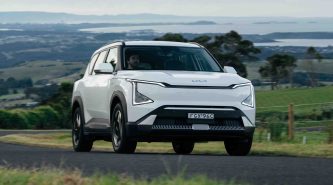
The Elexio is also priced competitively against its Kia EV5 cousin, positioning the up-spec Elite against a base EV5 Air with the larger 88.1kWh battery, also for $59,990 drive-away.
But the downside of this relationship is a leisurely 10-80 percent charging time of 38 minutes (the base 800-volt Zeekr 7X takes 13 minutes!), admittedly countered by the ability to regularly charge the LFP battery to 100 percent without risking degradation.
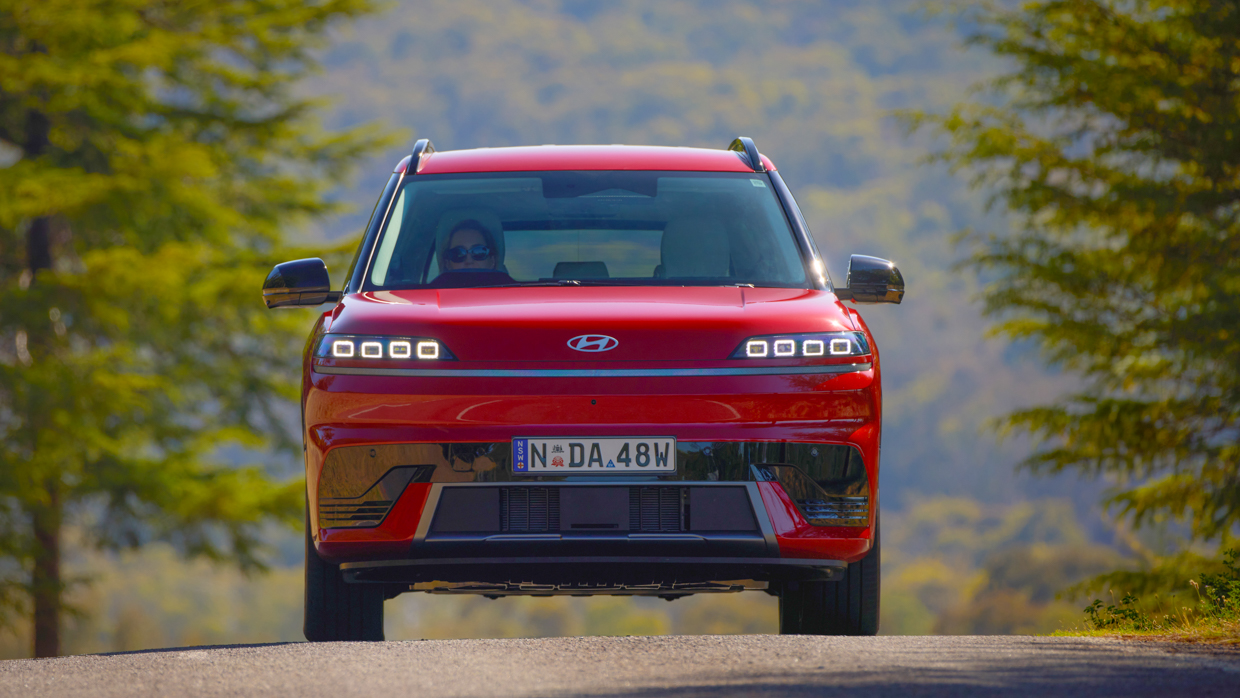
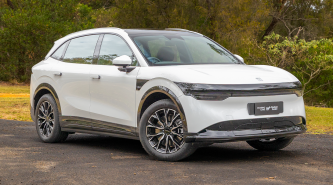
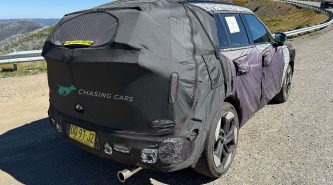
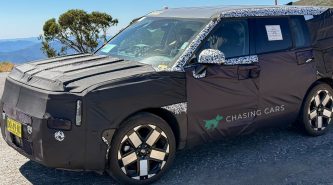
Some people may find the Elexio’s styling a little odd, seeing its aesthetic isn’t quite as classy and sophisticated as other Hyundai SUVs.
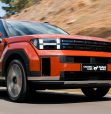
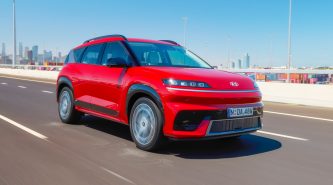
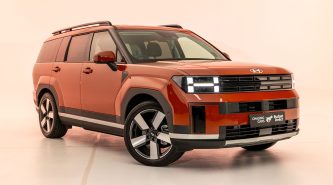
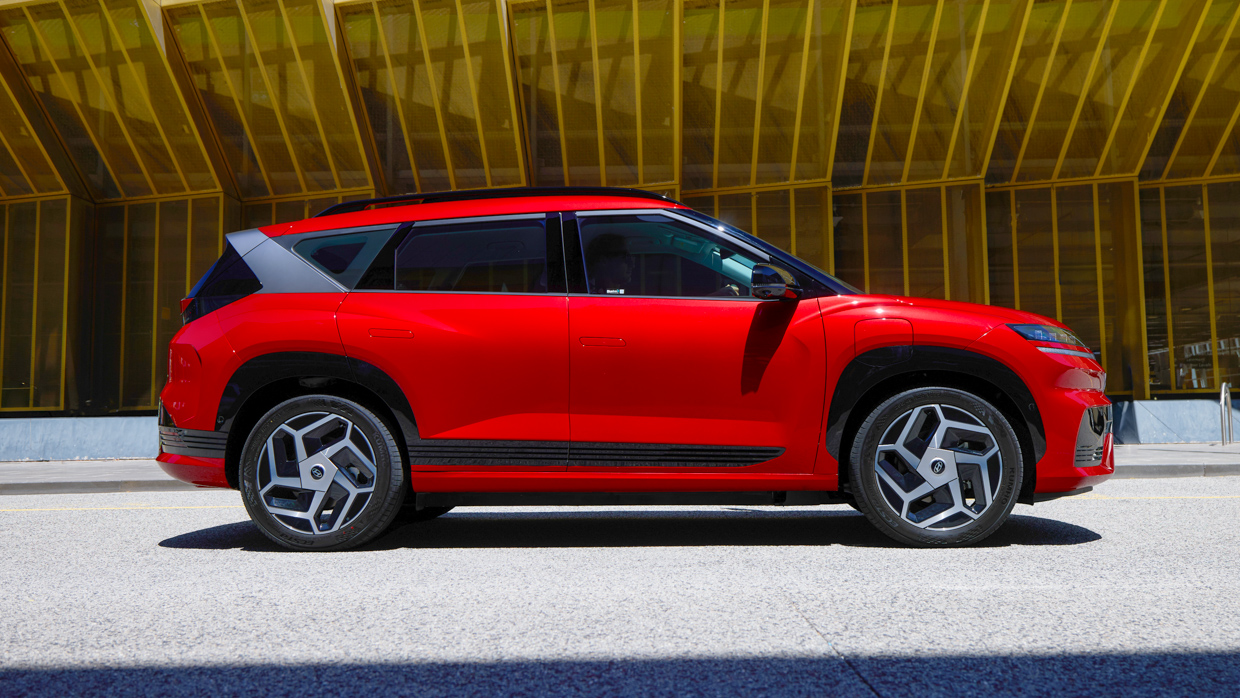
But its crystal-cube LED headlights (with sequential blinkers in Elite) and its multiple nods to the parametric-pixel thinking behind the Ioniq 5 blend together reasonably well. And at least one (optional) colour isn’t drab – Dragon Red metallic.
Much like the slow charging speed, another downside of the Elexio package fronts up on road with its mediocre off-the-line performance, with the Hyundai SUV’s 160kW/310Nm front-drive powertrain delivering commensurate performance to the EV5 Air Long Range’s 0-100km/h claim of 8.9 seconds.
Yet the Elexio’s traction from a standing start is superior to an EV5’s, and its rolling acceleration is entirely ample. This electric medium SUV is well-attuned to plying motorways and eating up country highways with effortless composure, in many ways thanks to its unique Australian suspension and steering tune.
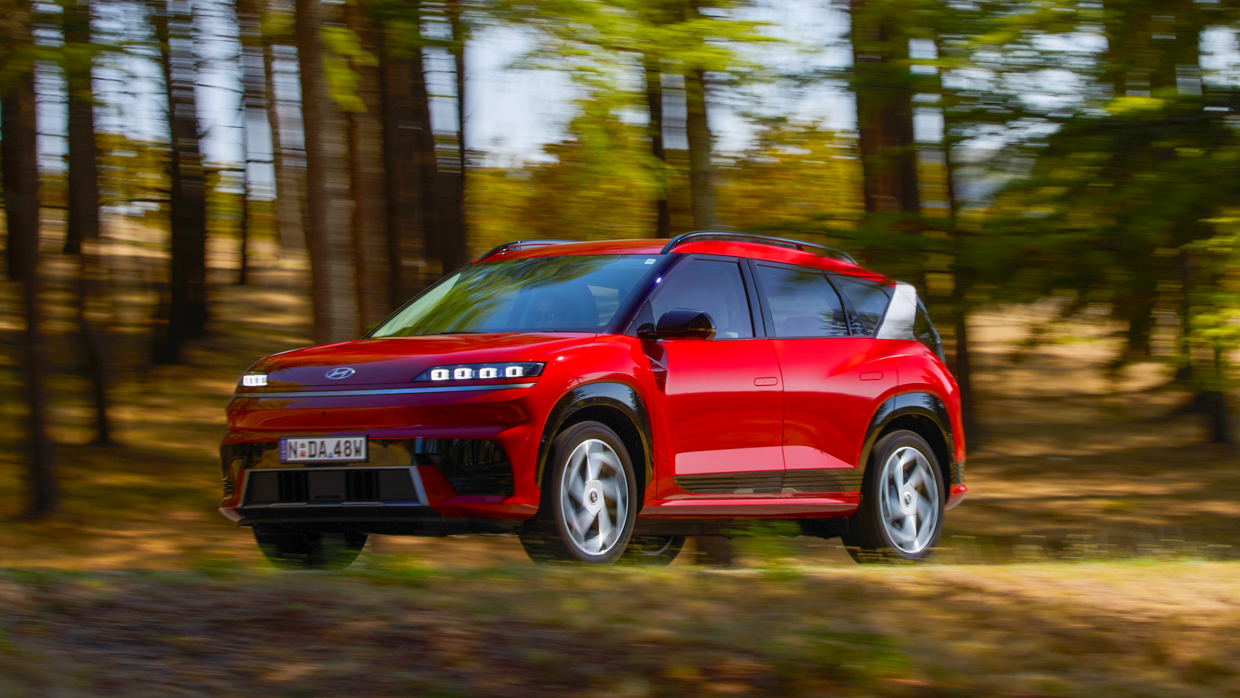
And it’s here where the Elexio elevates itself beyond its flawed EV5 cousin. The initial driving impression of the Elexio is strongly EV5-flavoured – particularly due to the lowish-profile 225/45R20 V-rated tyres on the Elite (the base wears cushier 225/60R18s) – with an overly firm urban ride in direct contrast to the plushness of a Zeekr 7X.
Hyundai Australia says it wanted frequency-selective damping for the 20-inch-wheeled Elite, however it wasn’t possible from the Chinese factory. But as speeds rise beyond about 90km/h, the Elexio Elite exhibits a resiliency over Aussie road surfaces and confidently eats up terrain.
Its relatively firm steering weighting helps here too, though its large 11.74m turning circle makes low-speed wheel twirling an effort. And then there’s its multi-layered regen braking, providing three levels of retardation plus a one-pedal ‘i-Pedal’ setting, which works well on twisty downhill roads but is too severe for the city.
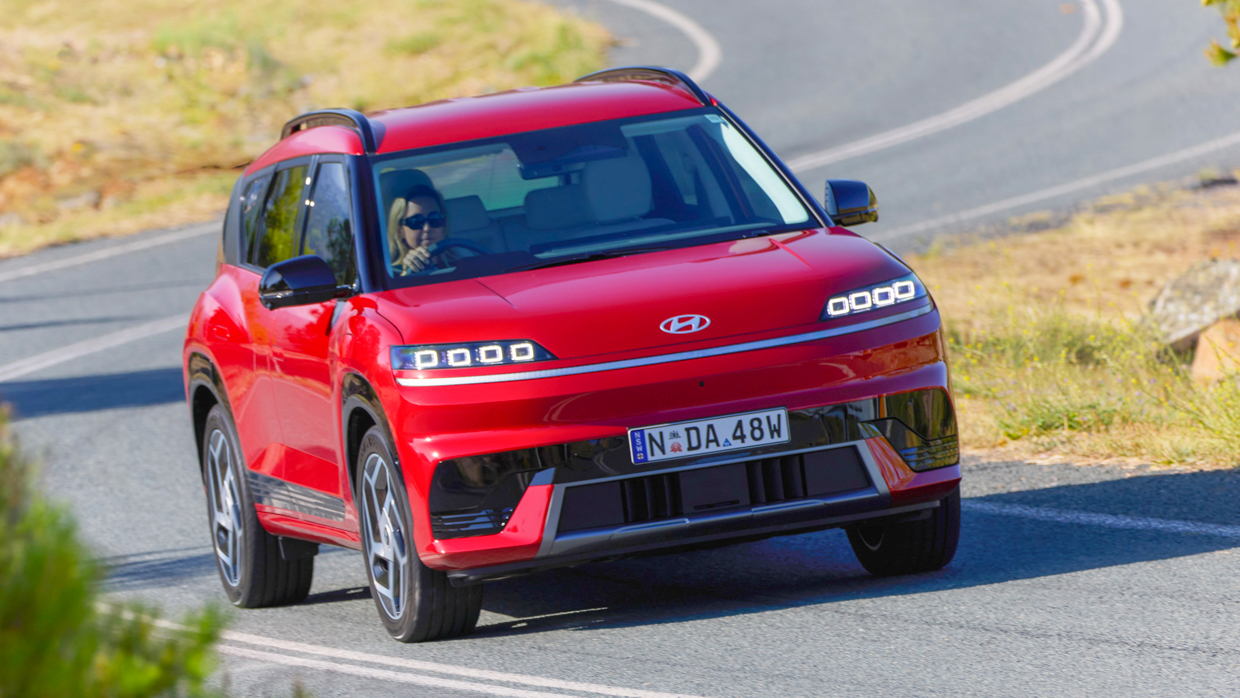
Indeed, the Elexio feels confident and capable in corners – using its rear suspension to point its nose into a bend, in stark contrast to the understeer-plagued EV5. You wouldn’t call the Elexio’s dynamics inspiring, but there’s little wrong with its solidly proficient and consistent road manners beyond Australia’s urban confines.
Aside from its below-par charging speed and not-so-great energy efficiency, we averaged 20.8kWh/100km in our press-on testing for a real-world range of 424 kilometres. This is significantly down on Hyundai’s claim of 18.2kWh/100km and 546km.
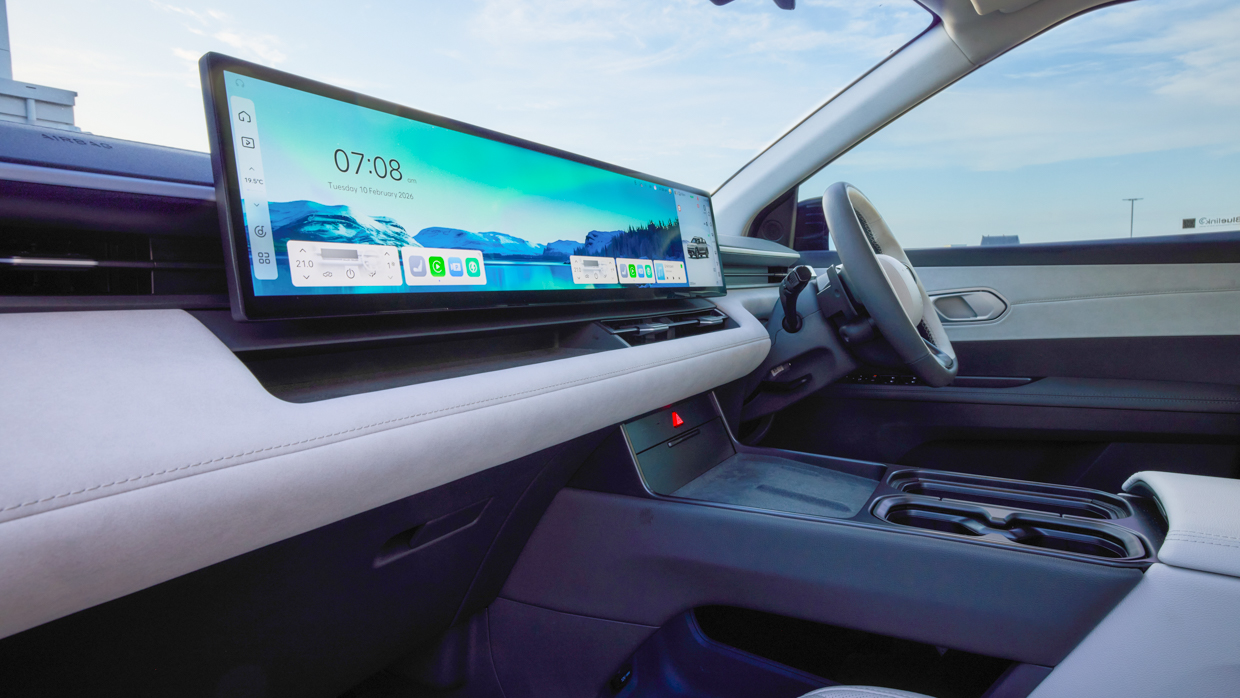
While first impressions are of an interior that is attractive, uncluttered and nicely built, it’s genuinely let down by its much-hyped 27-inch ‘Connect-C’ TFT LCD touchscreen interface.
Sure, it’s only 10mm thick, has 4K high resolution, a Snapdragon 8295 chip and 3D graphics, but it possesses multiple usability flaws and was clearly designed with the Android-based software front of mind, rather than how such a system could work best from an automotive perspective.
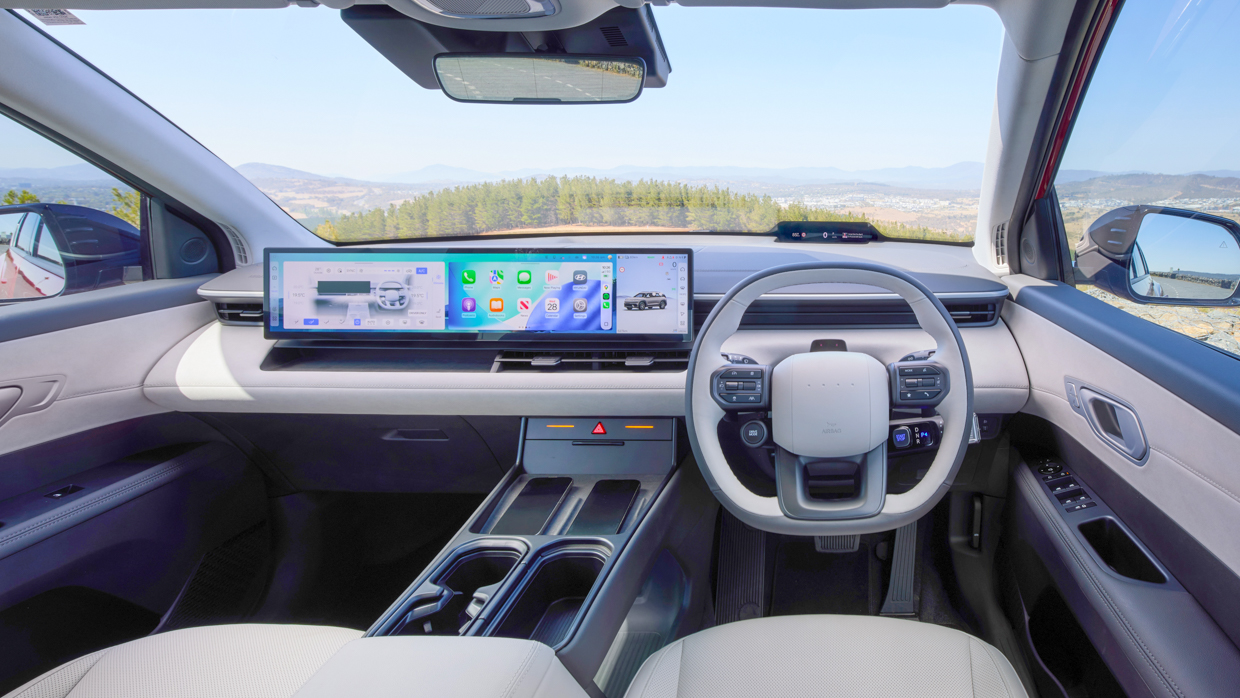
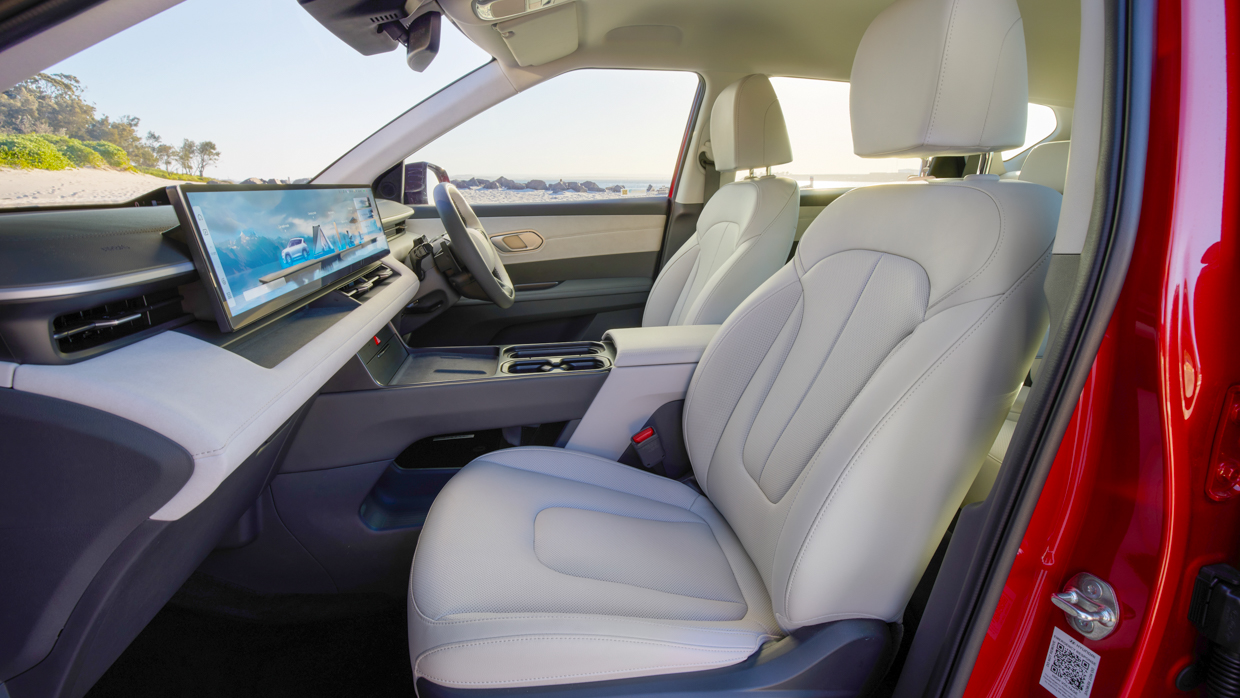
To summarise its problems, it’s often impossibly fiddly to operate (particularly selecting a temperature for the climate control), difficult to read (because it places multiple screens on top of a clashing background graphic), and is nonsensically laid out.
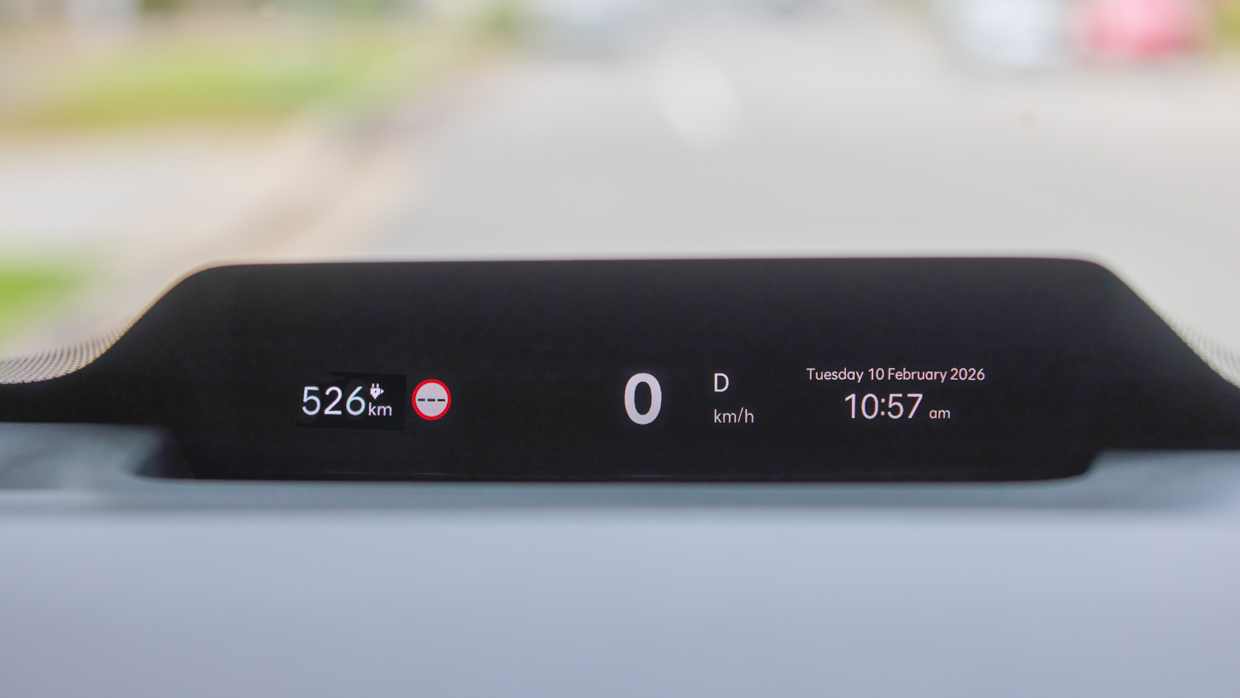
The head-up display shows a few key details but it’s very hard to read through polarised lenses and doesn’t include basic information such as indicator arrows or high-beam/headlight icons. That’s all buried in the touchscreen, though at least they’re located in the vicinity of the driver.
The most jarring aspect, however, is that the Elexio has a driver attention monitor – a much-hated feature of so many vehicles these days – yet its panoramic screen demands considerable distraction just to use it. We think it’s madness, and perhaps a benchmark example of how screens are taking over our lives.
If the Elexio is any guide, long gone are the days where the driver was in control, given the overwhelming bias of the 27-inch display towards the front passenger – whether they want it dominating their view or not – as well as the excessive level of active-safety features foisted on this vehicle.
At least the Elexio Elite includes some active-safety settings in its electric seat memory, but buyers of the base Elexio with manual cloth seats don’t enjoy that privilege. And the amount of features that require disabling in order to achieve a level of unimpeded calm while driving is vast.
Hyundai Australia is pushing for an ADAS shortcut button (that hopefully memorises a preferred setting) to be incorporated into an over-the-air update in the near-future, as well as some kind of rearrangement of the visual hierarchy of the massive touchscreen.
But no OTA update can fix the lack of physical HVAC and volume controls which are such a great feature in the cabins of all of Hyundai’s vehicles … except this one. That’s all such a shame because the rest of the Elexio’s interior is really good!
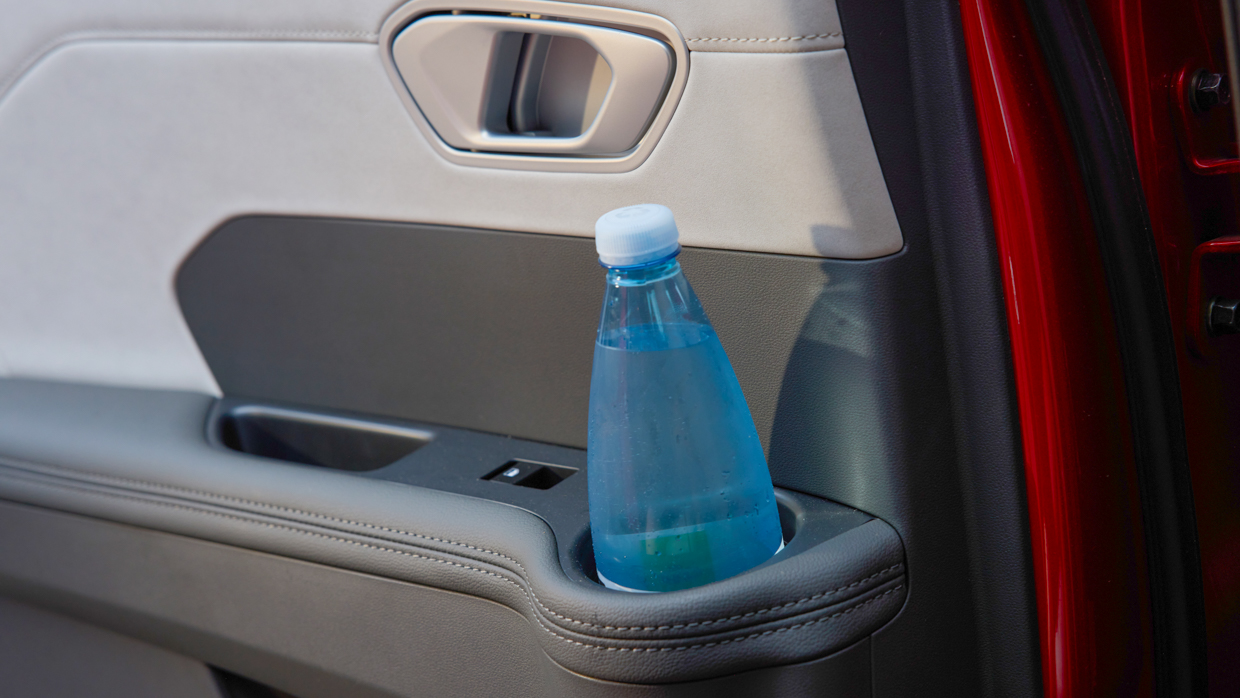
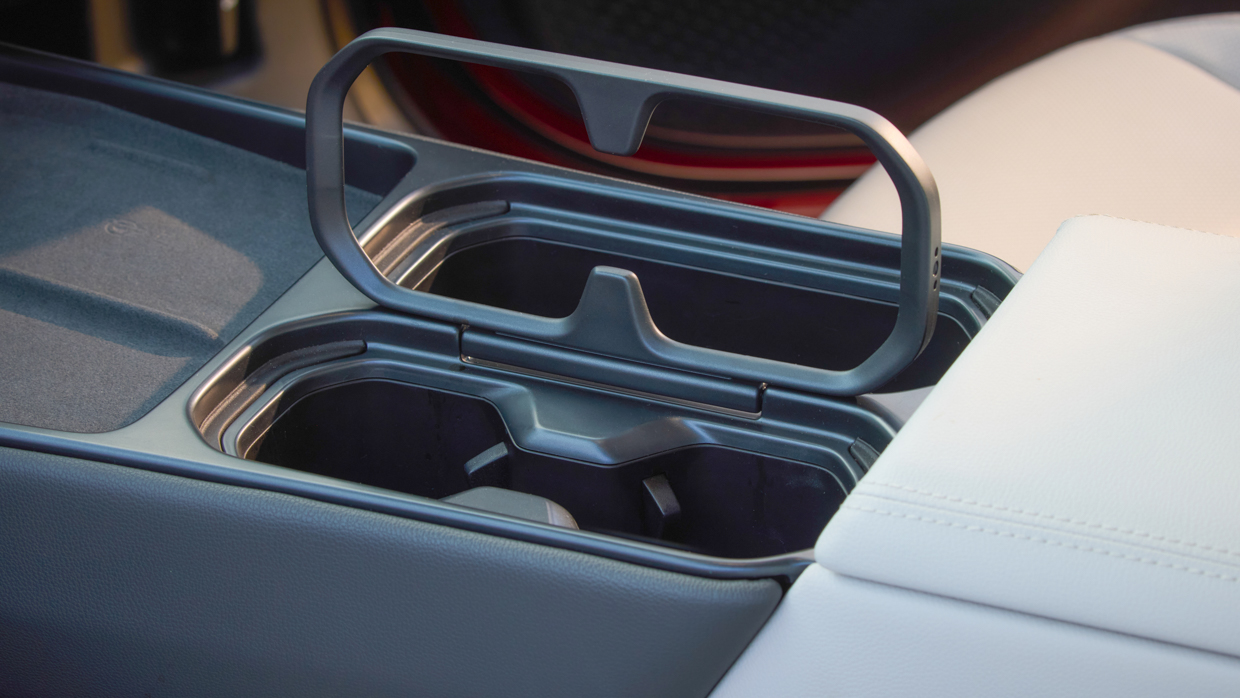
Unlike the vinyl-clad EV5, seat upholstery is either cloth or perforated leather (with three-setting ventilation), and there’s great vision, plenty of room and handy storage spaces (even in the doors). You also get a physical start/stop button for the powertrain, which is a rare analogue joy in this car.
The Elite brings dual wireless charging in an easily accessible position, plus felt-lined trays, stitched mock-suede dash and door inserts, and an optional Dove Grey interior option for a light and bright space – arguably too bright on sunny days because the windows have inadequate tinting.
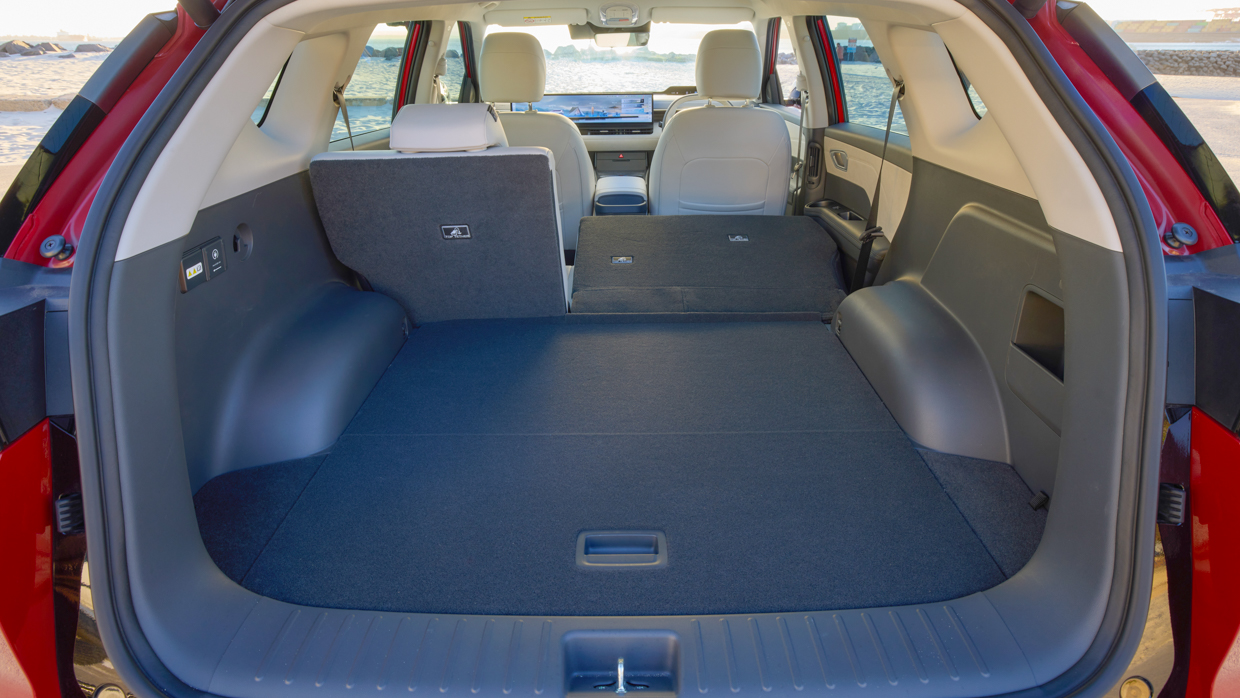
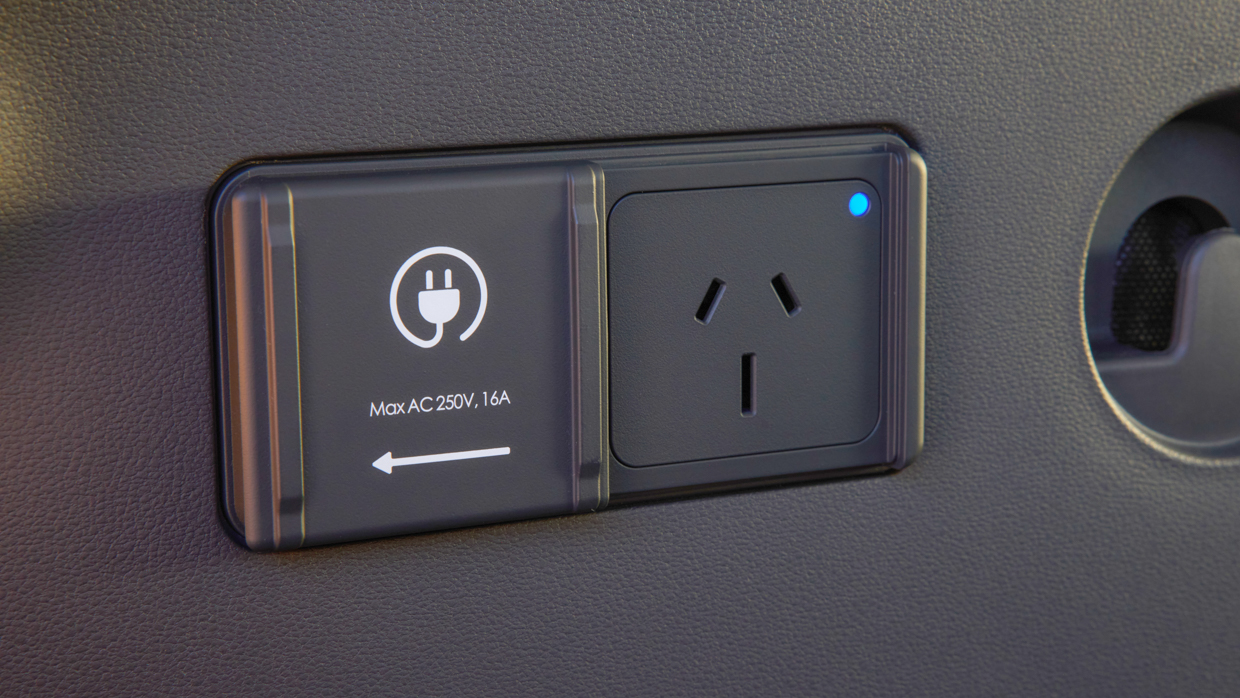
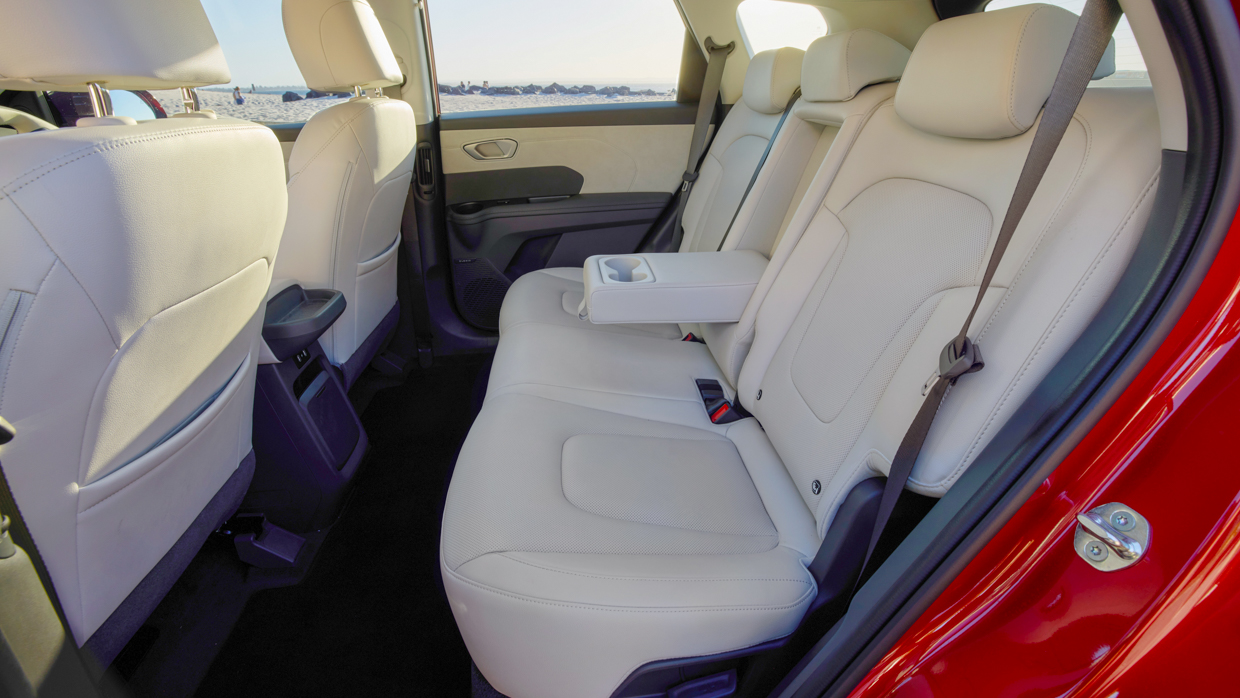
The rear seat is impressively supportive – just like the front buckets – and can be folded into an almost-flat locked position to extend the 506-litre boot volume (with electric tailgate in Elite). But there’s no frunk in Elexio (unlike the 67-litre space in EV5), which seems odd.
So, much like its combustion-engined Tucson stablemate, you’re getting loads of medium-SUV space and practicality in the Elexio, but also a fully electric vehicle for little more than the cost of a petrol-hybrid Hyundai. That in itself might sway some buyers.
But this isn’t a cutting-edge EV like an Ioniq 5 was at launch, or even now. The Elexio is best-suited to country buyers because they probably won’t mind the charging time and they’ll appreciate its composure over poorly surfaced roads – albeit without the plushness or the panache of an Ioniq 5.
What the Elexio needs, however, is a thorough rethink of its operating systems and its Huawei-developed active-safety minefield. This vehicle is not a smartphone or an iPad. It’s a family-hauling car and its ability to work with its driver with confidence and clarity should be paramount.
Until that moment arises, hopefully with over-the-air update as soon as possible, the Hyundai Elexio remains an acquired taste – a good car spoiled by its technology.
About Chasing cars
Chasing Cars reviews are 100% independent.
Because we are powered by Budget Direct Insurance, we don’t receive advertising or sales revenue from car manufacturers.
We’re truly independent – giving you Australia’s best car reviews.
The estimate provided does not take into account your personal circumstances but is intended to give a general indication of the cost of insurance, in order to obtain a complete quote, please visit www.budgetdirect.com.au. Estimate includes 15%^ online discount.
^Conditions Apply
Budget Direct Insurance arranged by Auto & General Services Pty Ltd ACN 003 617 909(AGS) AFSL 241 411, for and on behalf of the insurer, Auto & General Insurance Company Limited(ABN 42 111 586 353, AFSL 285 571).Because we don’t know your financial needs, we can’t advise you if this insurance will suit you. You should consider your needs and the Product Disclosure Statement before making a decision to buy insurance. Terms and conditions apply.
Indicative quote based on assumptions including postcode , 40 year old male with no offences, licence suspensions or claims in the last 5 years, a NCD Rating 1 and no younger drivers listed. White car, driven up to 10,000kms a year, unfinanced, with no modifications, factory options and/or non-standard accessories, private use only and garaged at night.
^Online Discounts Terms & Conditions
1. Discounts apply to the premium paid for a new Budget Direct Gold Comprehensive Car Insurance, Third Party Property Only or Third Party Property, Fire & Theft Insurance policy initiated online on or after 29 March 2017. Discounts do not apply to optional Roadside Assistance.
2. Discounts do not apply to any renewal offer of insurance.
3. Discounts only apply to the insurance portion of the premium. Discounts are applied before government charges, taxes, levies and fees, including instalment processing fees (as applicable). The full extent of discounts may therefore be impacted.
4. We reserve the right to change the offer without notice.