Powered by

-
Car Reviews
Latest reviews
-
Car News
Latest news
-
Car Comparisons
Latest comparisons
- Chasing Deals
Latest reviews
Latest news
Latest comparisons

Upcoming design standards revealed in China will change the way occupants get into and out of their cars… Particularly in the event of an emergency
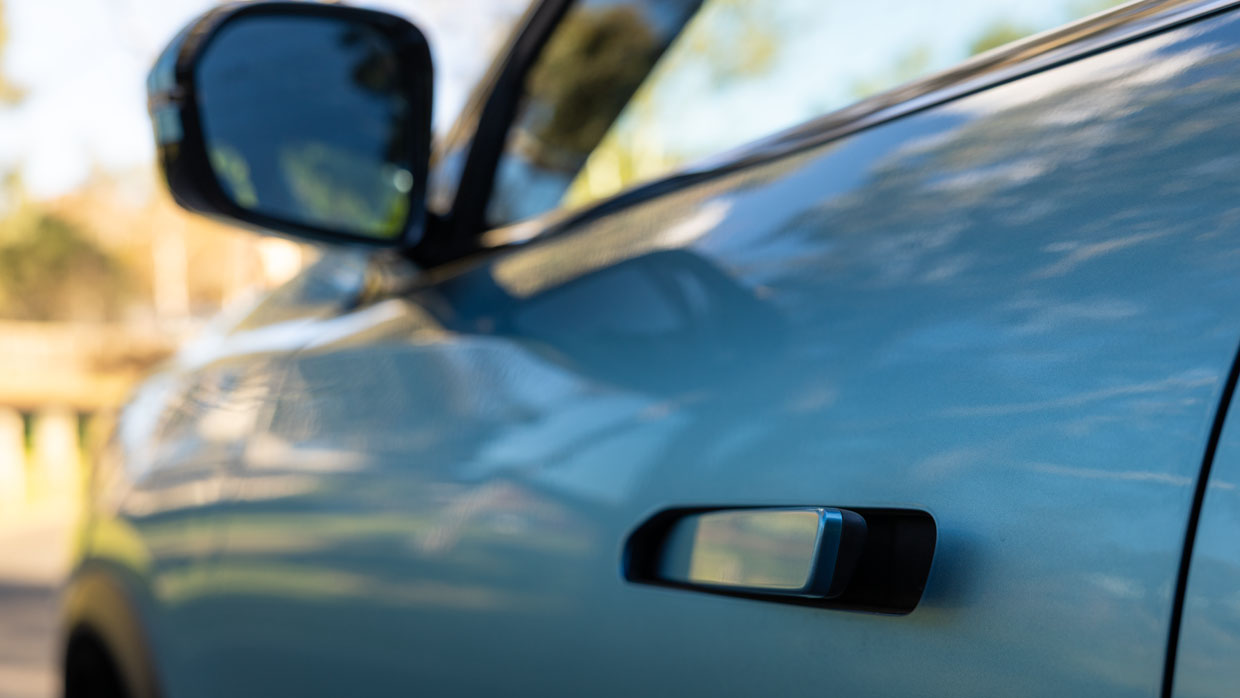
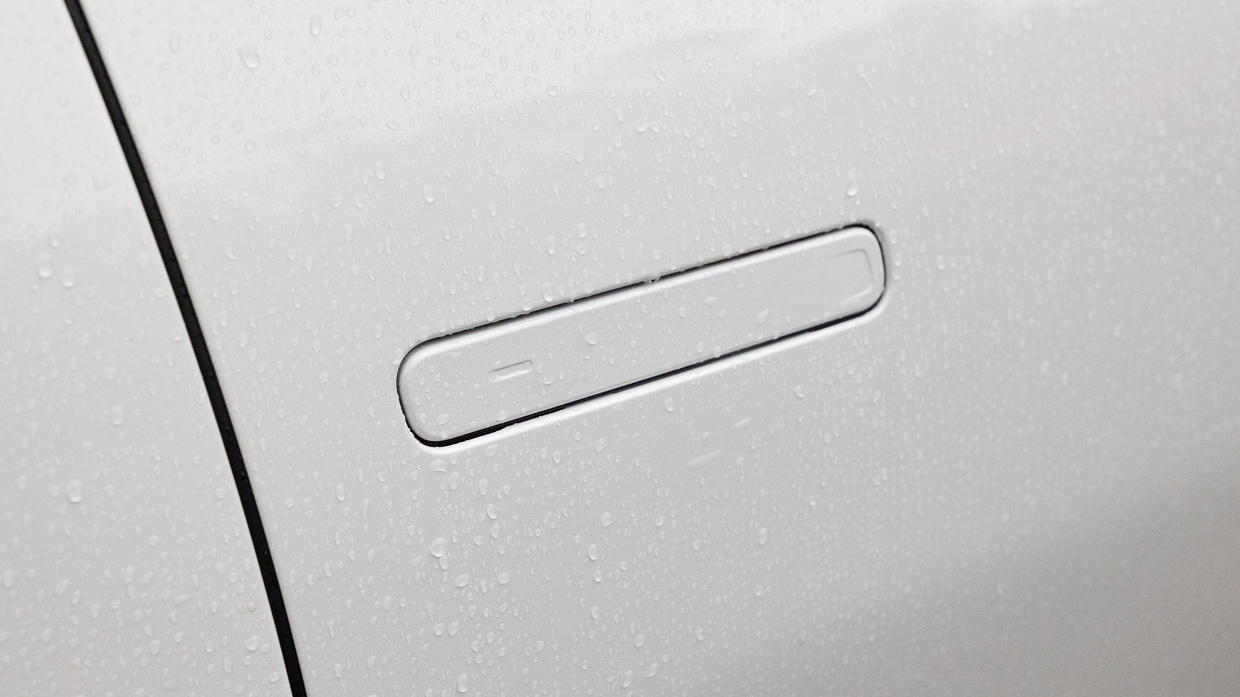
New vehicle design rules have emerged from China’s Ministry of Industry and Information Technology (MIIT) that could mark the end of flush and electrically-actuated door handles in many global markets.
Concerns surrounding the safety of flush and ‘electric’ handles in emergency situations come following a string of occupant entrapment incidents in modern vehicles, both in China and in other regions.
From the first of January, 2027, new vehicles sold in China must be fitted with robust, ‘intuitive and physical’ release mechanisms. However, the commercial size and importance of China to carmakers means that changes to its design rules could well impact vehicle specifications offered in other markets.
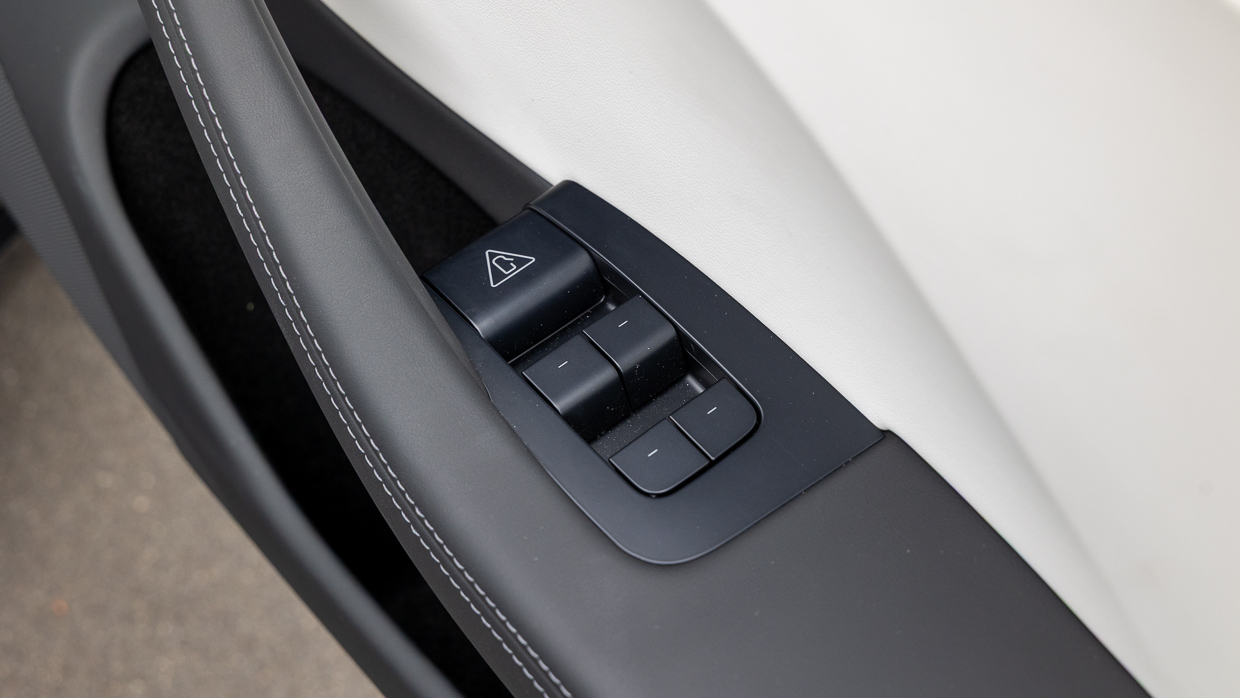
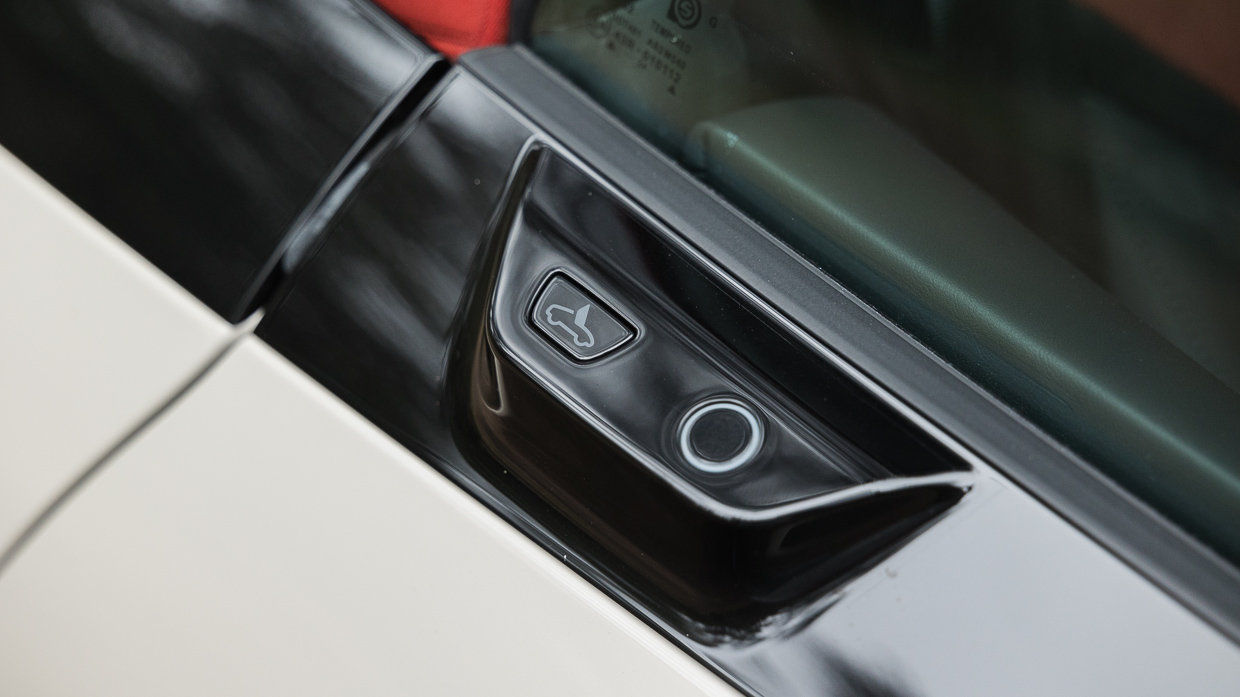
The regulations stipulate that all car doors (excluding bootlids, hatches, etc) must have both an internal and external physical release, which should be visible at all times and resistant to premature failure.
Specifically, external door handles must have a physical recess measuring a minimum of 6.0cm x 2.0cm x 2.5cm. Meanwhile, all interior release handles must be accessible, and clearly marked with a pictorial no smaller than 1.0cm x 0.7cm.
The MIIT claims this legislation comes after several meetings with 40 domestic automakers, which began on the eighth of May, 2025.
Sleek and flush fit door handles have rapidly grown in popularity over recent years, particularly in electrified vehicles which focus on increasing overall efficiency by minimising drag.
Several new vehicles rely on electronic door release mechanisms which are at risk of failing unexpectedly in an accident, power-loss incident, or through general wear and tear. These new regulations seek to give vehicle occupants a clearer path of egress irrespective of external factors.
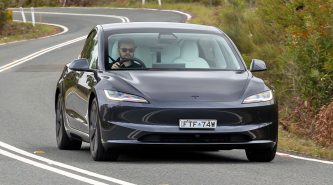
The Tesla Model 3, for example, already has both a mechanical and electronic door release mechanism fit to each interior door-card. The Model 3 however will still lose its flush-fit exterior handles in exchange for a more conventional design in the Chinese market.
The Australian market is likely to be affected in some capacity by these changes. Chinese-built vehicles – while tweaked to meet Australian Design Regulations – sold in Australia are often very similar to their Chinese domestic market counterparts.
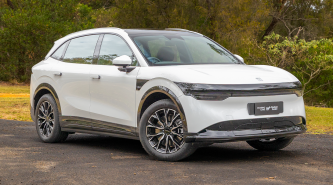
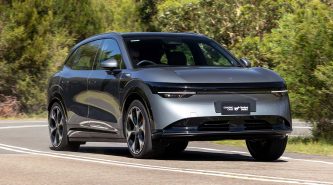
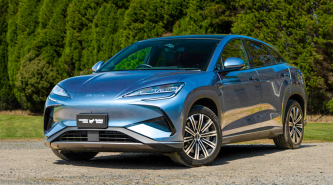
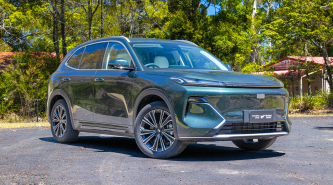
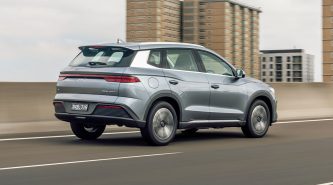
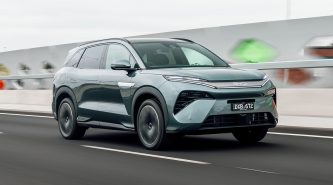
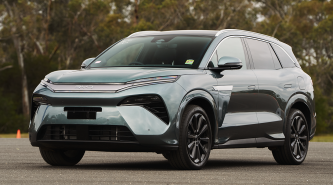
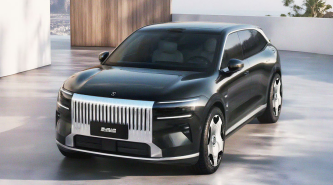
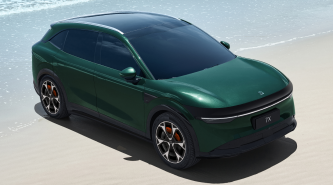
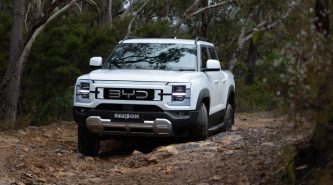
From the first of January 2027, it is expected that Chinese vehicles such as the BYD Sealion 7, Zeekr 7X, Geely EX5, Xpeng G6, MG Cyberster, and Chery Omoda 9 will exchange their flush-fit or button-actuated door handles for conventional mechanical pull-style designs.
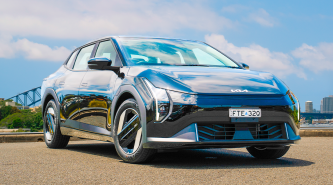
Chinese-assembled vehicles such as the Kia EV5 and Tesla Model Y are also likely to introduce door changes into the Australian market.
It is likely that China’s door handle standardisation legislation follows upon several reports globally of car doors failing to open in the event of a car accident or fire.
Latest news
About Chasing cars
Chasing Cars reviews are 100% independent.
Because we are powered by Budget Direct Insurance, we don’t receive advertising or sales revenue from car manufacturers.
We’re truly independent – giving you Australia’s best car reviews.