Powered by
-
Car Reviews
Latest reviews
-
Car News
Latest news
-
Car Comparisons
Latest comparisons
- Chasing Deals
Latest reviews
Latest news
Latest comparisons
Most senior Kia Australia executive says that manufacturers need to be responsible for growing EV demand rather than relying on customer tax subsidies
The major electric vehicle purchase subsidy in Australia is ‘under review’ by the federal government, with the full waiver of the Fringe Benefits Tax (FBT) enjoyed by EV buyers using novated leases possibly on the chopping block.
Speaking with Chasing Cars, Kia Australia chief executive officer Damien Meredith says the possible abolition of the FBT waiver for electric vehicles does not worry him.
“My view is pretty well known — which is that less interference or support from government is better, and lets brands compete on a level playing field,” said Meredith.
Kia’s local boss predicted there would be no change in EV demand in Australia even if the FBT waiver is abolished, arguing that innovative electric cars would convince buyers to consider EVs even in the absence of a financial subsidy.
“I don’t think it will have any effect [on EV demand in Australia — that is my honest opinion]”, Meredith told Chasing Cars.
Accessing the waiver on FBT for EV novated leases saves the average full-time worker about $10,000 across a typical three-year EV lease when compared to using post-tax car financing.
But the nature of the subsidy pushes EV buyers into occasionally opaque novated lease structures via their employer rather than consumer credit products.
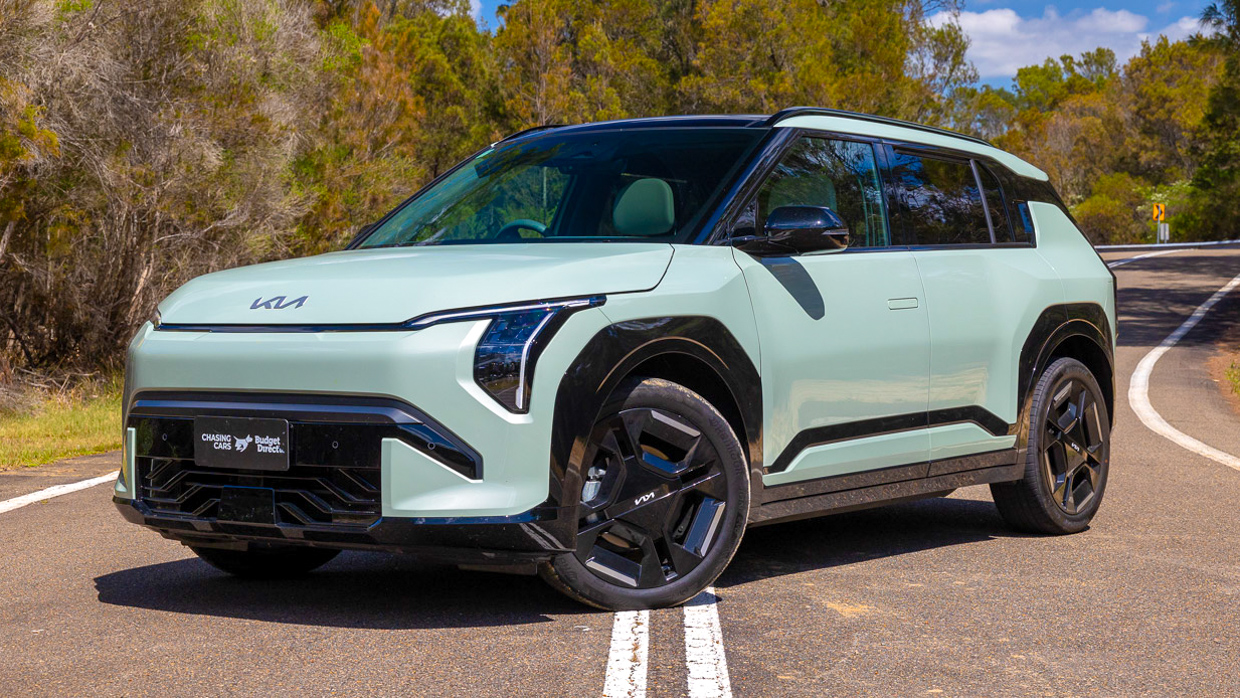
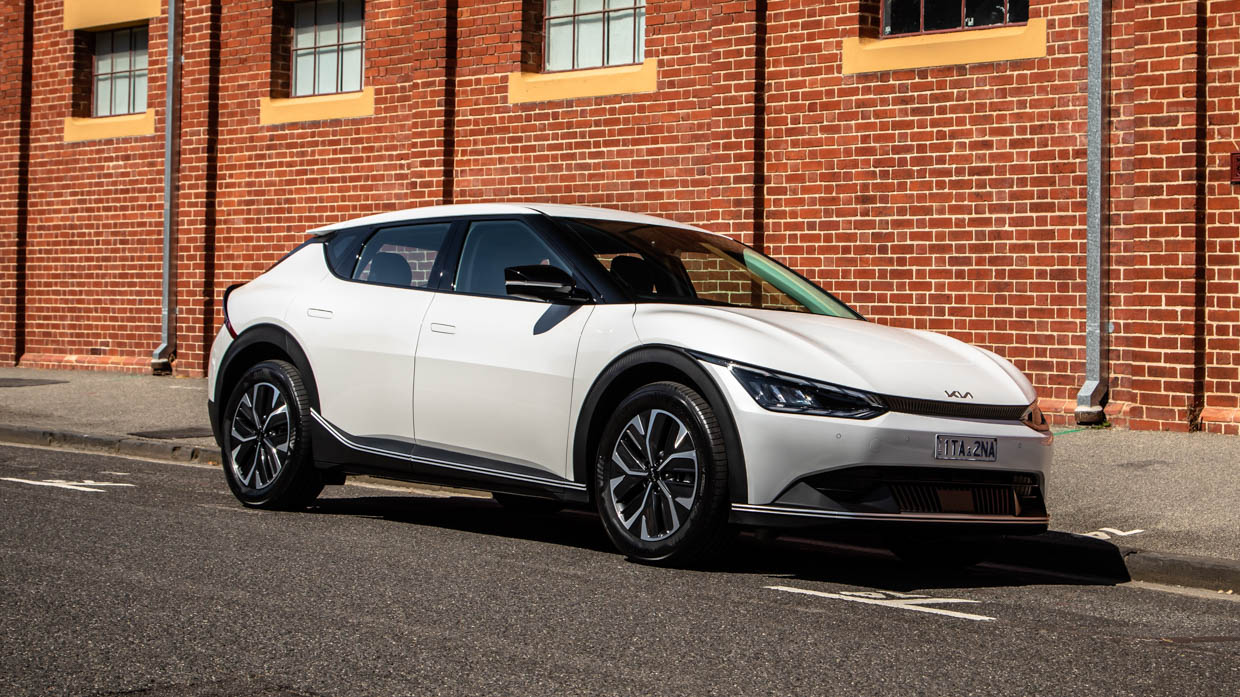
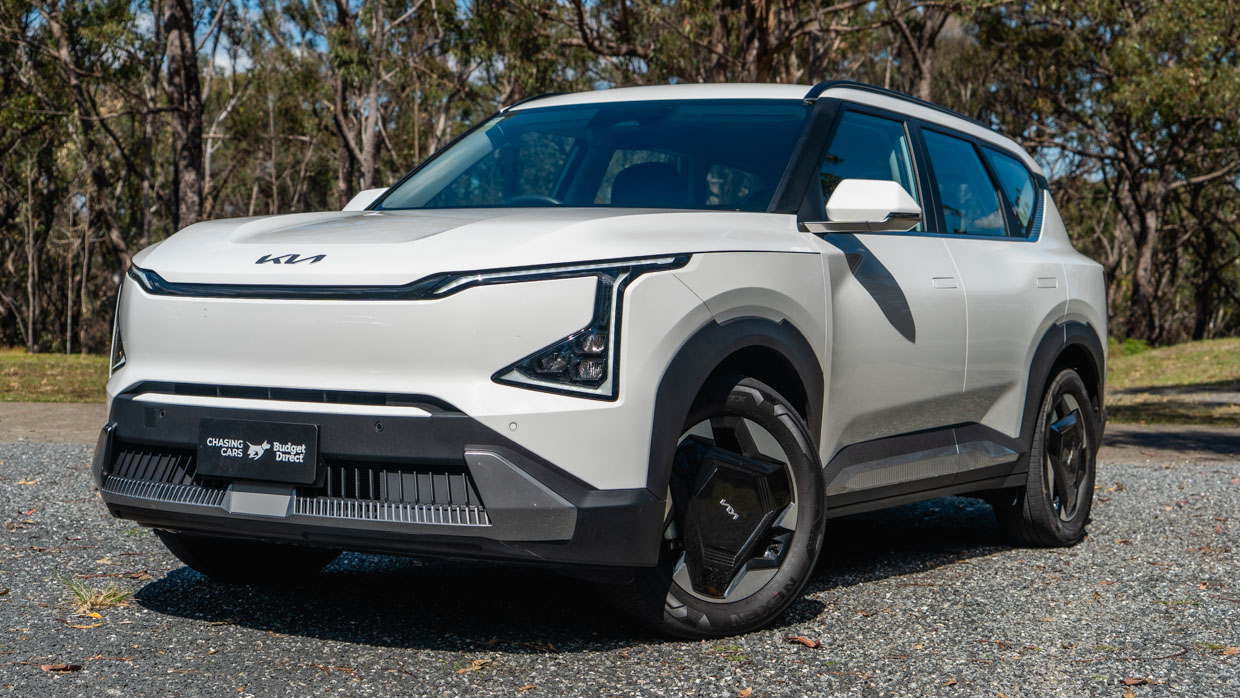
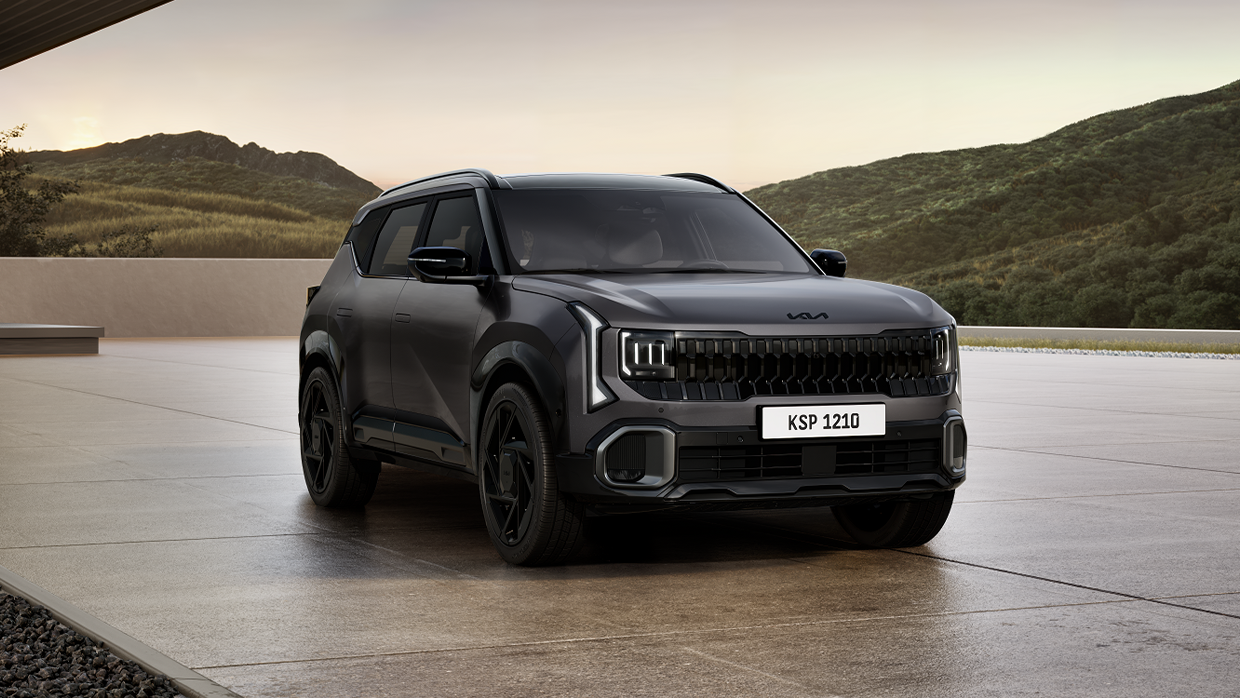
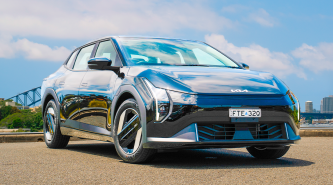
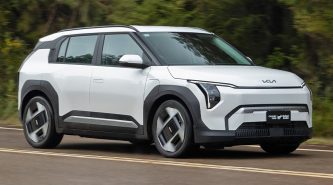
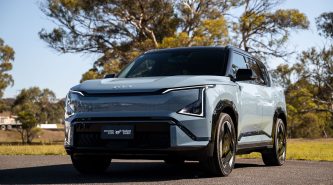
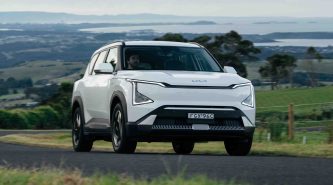
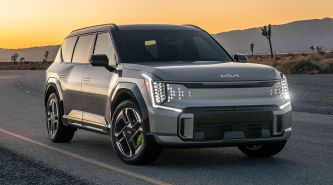
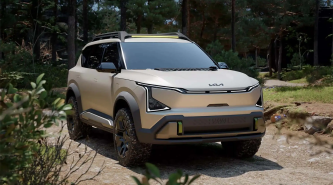
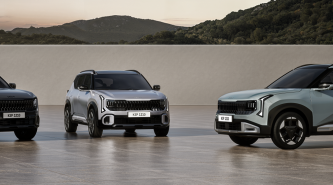
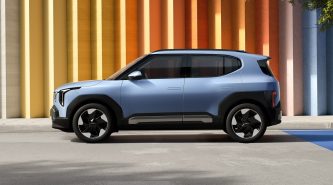
Kia sold 8001 fully electric cars in Australia in 2025, representing about 10 percent of the brand’s total sales volume in this country. Most popular was the EV5 SUV (4787 sales).
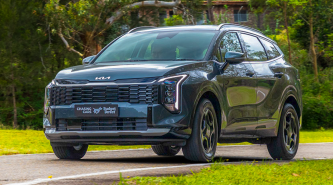
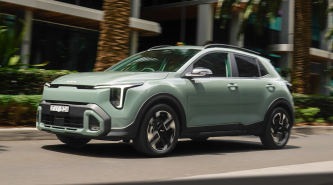
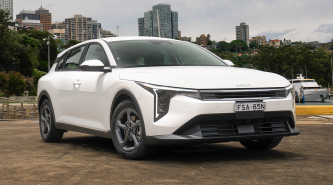
The South Korean manufacturer sells five full EV models in Australia, and it is expanding supply of hybrid and plug-in hybrid (PHEV) versions of its combustion cars.
A similar FBT waiver was available for PHEVs until April 2025.
Kia Australia boss Damien Meredith said that PHEV sales continued to grow at a rapid clip even after the tax advantage disappeared for hybrids.
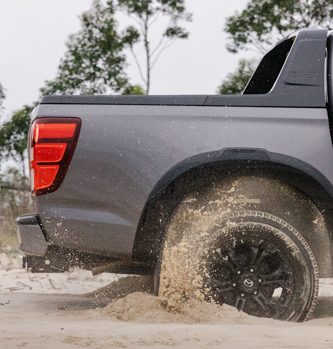
While that is true, sales of one PHEV — the BYD Shark 6 ute — represented much of the growth in plug-in sales in 2025.
“That is the point; [the increase in PHEV sales] was product-driven, and not legislatively driven,” said Meredith.
“The fine-tuning of legislation is always going to happen…the market has a funny way of overcoming those legislative changes, if they do occur, to keep going.”
Kia’s internal data predicts that its own EV sales will not be dinged by the ending of the tax advantage for electrics.
Crucially, Meredith revealed to Chasing Cars that Kia Australia will not be making a submission to amend the federal government’s strict New Vehicle Emissions Standard (NVES) laws, which themselves will be reviewed in late 2026.
“No, [Kia will not]. We are happy with what is in play [on NVES],” he said.
NVES makes it inevitable that by 2028, most new cars sold by a given manufacturer will have to be full EVs or PHEVs to avoid massive financial penalties.
NVES penalises non-compliance by fining carmakers for failing to sell a sufficient proportion of EVs and PHEVs, where the FBT waiver subsidises EV ownership costs for taxpayers.
“It’s up to manufacturers and brands to do what they need to do to grow their business without having a support basis or advantage from government legislation,” said Meredith.
Some rival manufacturers, including Toyota, are expected to argue NVES should be amended to provide more credit for regular hybrids, rather than favouring EVs and PHEVs.
While Kia Australia under Meredith won’t oppose removal of the FBT waiver, the South Korean manufacturer is still planning for a hardcore uplift in EV and PHEV demand.
“[Regular] hybrids run out [of NVES compliance] in 2027. There’s basically only one option after that,” said Meredith.
Latest news
About Chasing cars
Chasing Cars reviews are 100% independent.
Because we are powered by Budget Direct Insurance, we don’t receive advertising or sales revenue from car manufacturers.
We’re truly independent – giving you Australia’s best car reviews.