Powered by
-
Car Reviews
Latest reviews
-
Car News
Latest news
-
Car Comparisons
Latest comparisons
- Chasing Deals
Latest reviews
Latest news
Latest comparisons
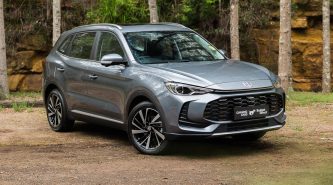
Chery’s breakout star of 2025 is a small SUV that prides itself on price, and dazzles in a showroom. But lurking beneath is an old car that is poor value in top-spec Hybrid form
Australians love a bargain when it comes to cars. Historically, we’ve flocked to some absolute bottom-feeders over the years, drawn by cheap pricing, decent equipment and perceived value, when the underlying reality of the situation was so often ‘you get what you pay for’.
If you remember the Toyota Corona, Datsun 120Y, Hyundai Excel, Ford Festiva and Holden Captiva, then you’ll know exactly what I’m talking about. And to that list, you can add the Chery Tiggo 4.
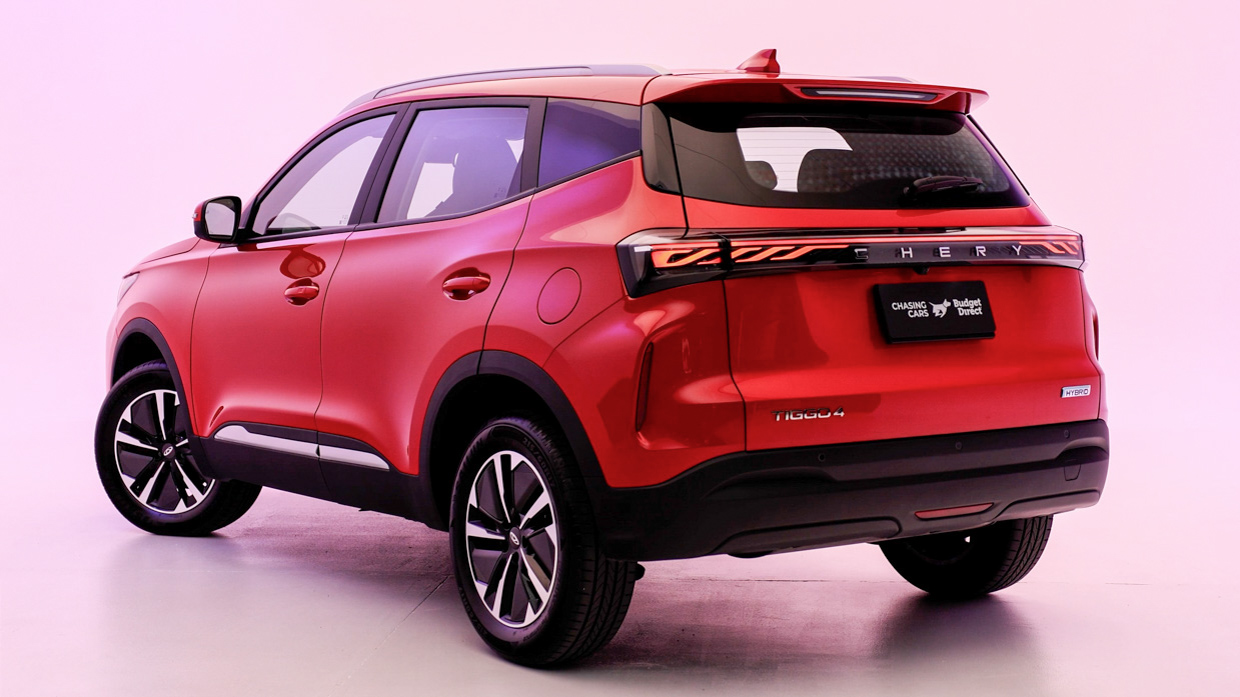
On the surface, the Tiggo 4 is really quite attractive – at least at its $24K driveaway starting point. And Australians have responded with their wallets, purchasing 18,151 Tiggo 4s to the end of November in 2025 – making it comfortably Chery’s biggest seller and third among small SUVs (behind the Hyundai Kona and MG ZS).
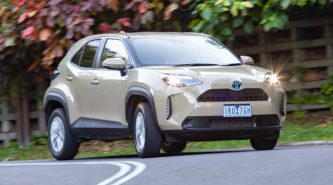
But the version we’re testing here is the new Hybrid version in top-spec Ultimate form which, even repriced to $33K driveaway (down $2000), must compete against some seriously impressive and/or well-established small SUVs such as the Toyota Yaris Cross Hybrid, Skoda Kamiq, Volkswagen T-Cross and the class sales king, the Hyundai Kona.
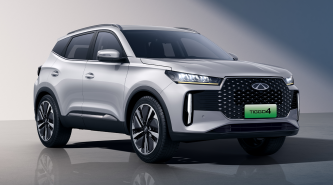
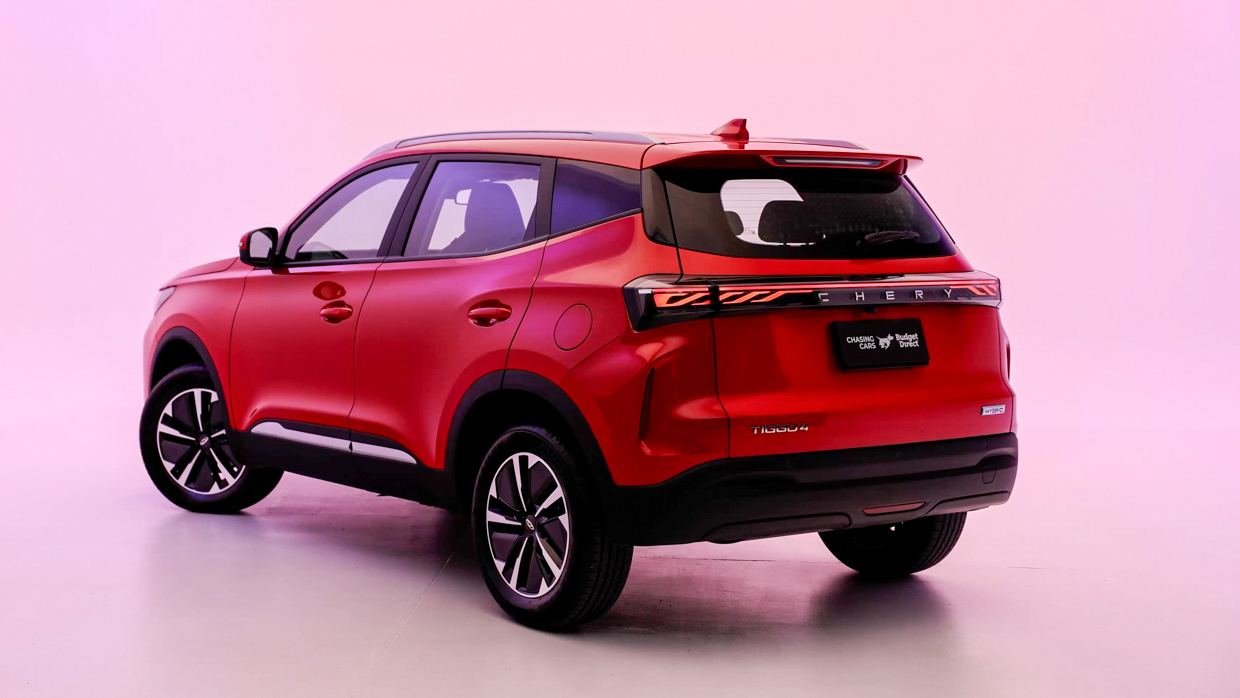
Beneath the smoke-and-mirrors that is the snazzy front and rear styling (and classy dashboard) of the 2025 Chery Tiggo 4 resides an eight-year-old car – an eternity in the context of Chinese car design – that has been facelifted four times since it debuted in 2017.
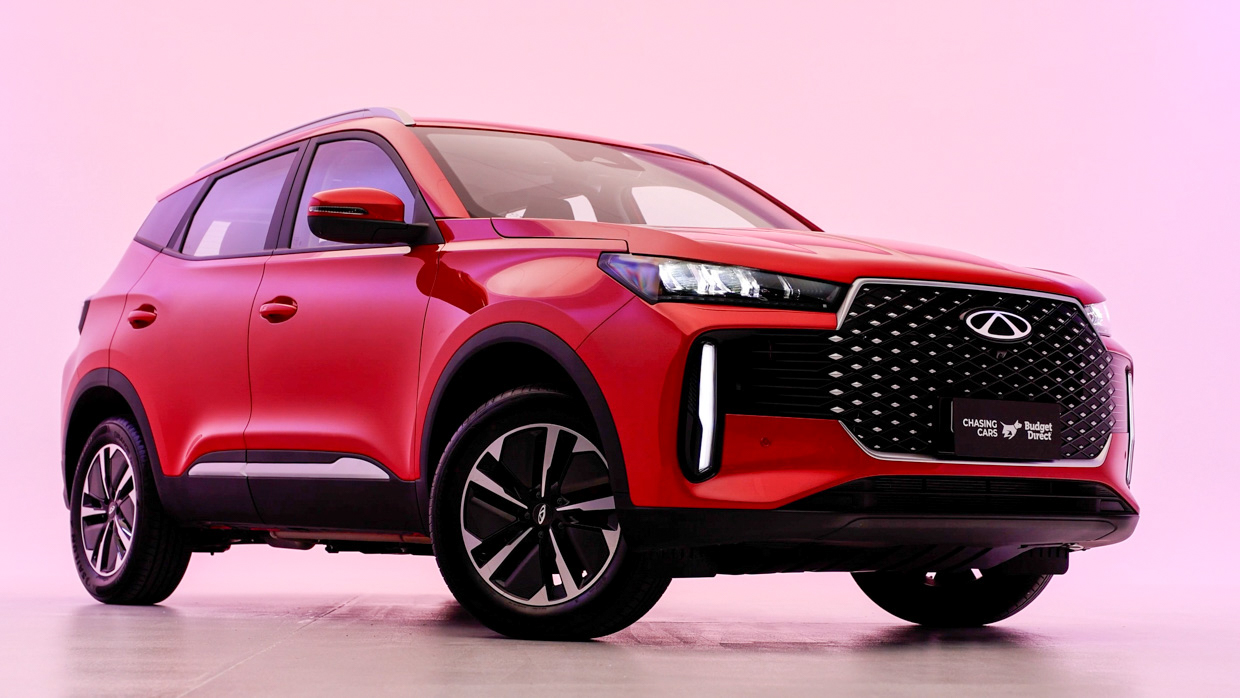
So while the current Tiggo 4 appears new to Aussie consumers, it’s right at the end of its lifespan globally and will likely be replaced by an all-new model before the end of 2026.
Which begs the question – should you consider a Chery Tiggo 4 based on its techy lighting, standard equipment, seven-year warranty and new Hybrid powertrain?
Chery offers two versions of the Tiggo 4 Hybrid – the Urban ($29,990 driveaway) and the Ultimate ($32,990 driveaway), which we’re testing here.
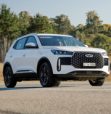
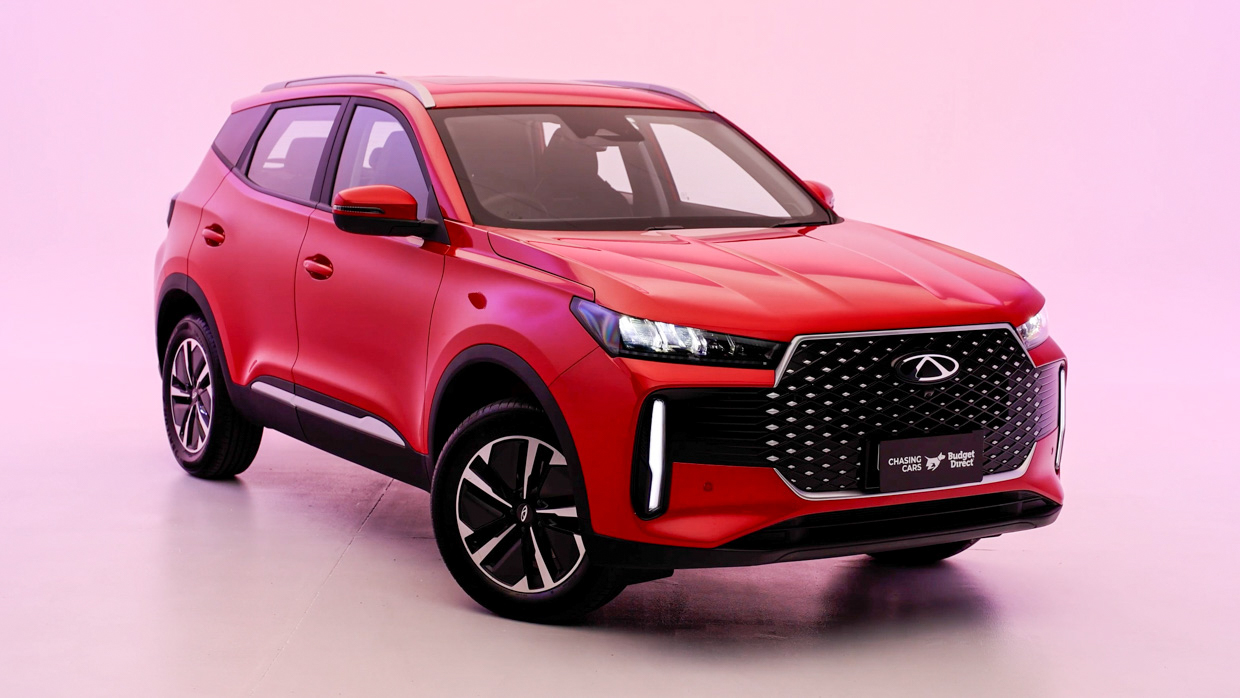
If you ignore the Ultimate’s (tiny) glass sunroof and red brake calipers, they’re dead ringers to look at from the outside.
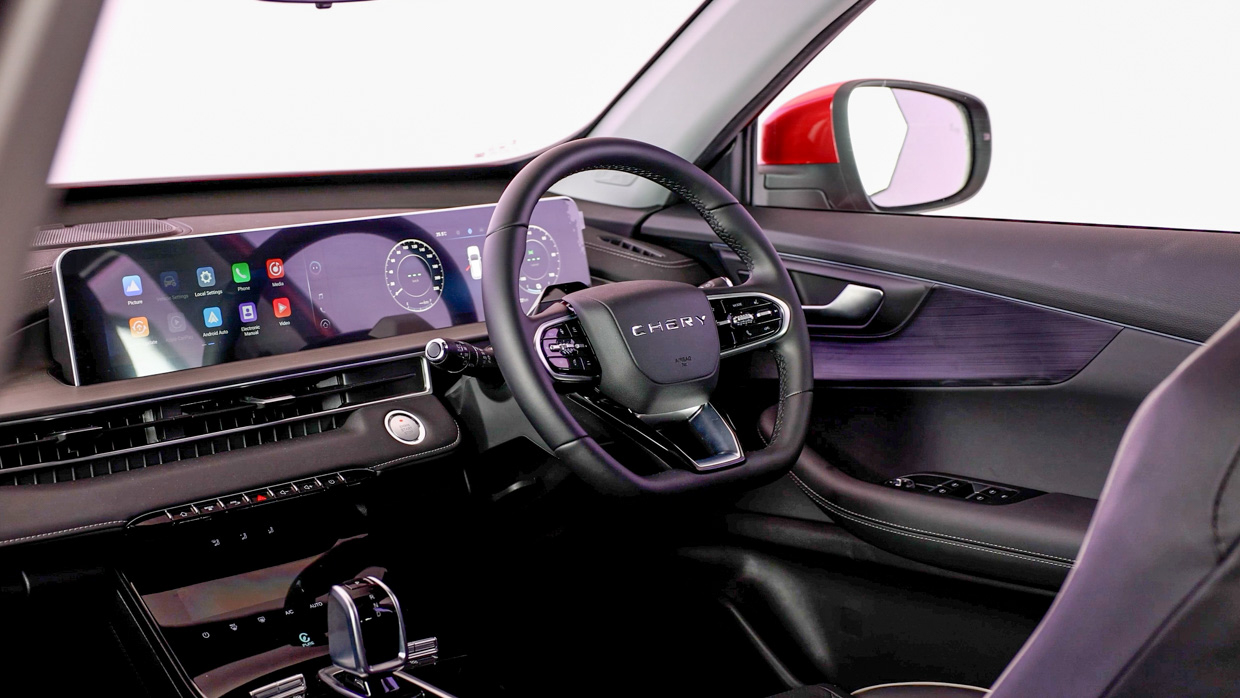
From the inside, the key identifier is the change in upholstery – the Ultimate replacing the Urban’s patterned grey cloth with leather-look vinyl featuring perforated centres and white piping. The Ultimate also gets a vinyl-wrapped steering wheel instead of the Urban’s plastic.
Standard equipment on both Tiggo 4 Hybrid variants includes:
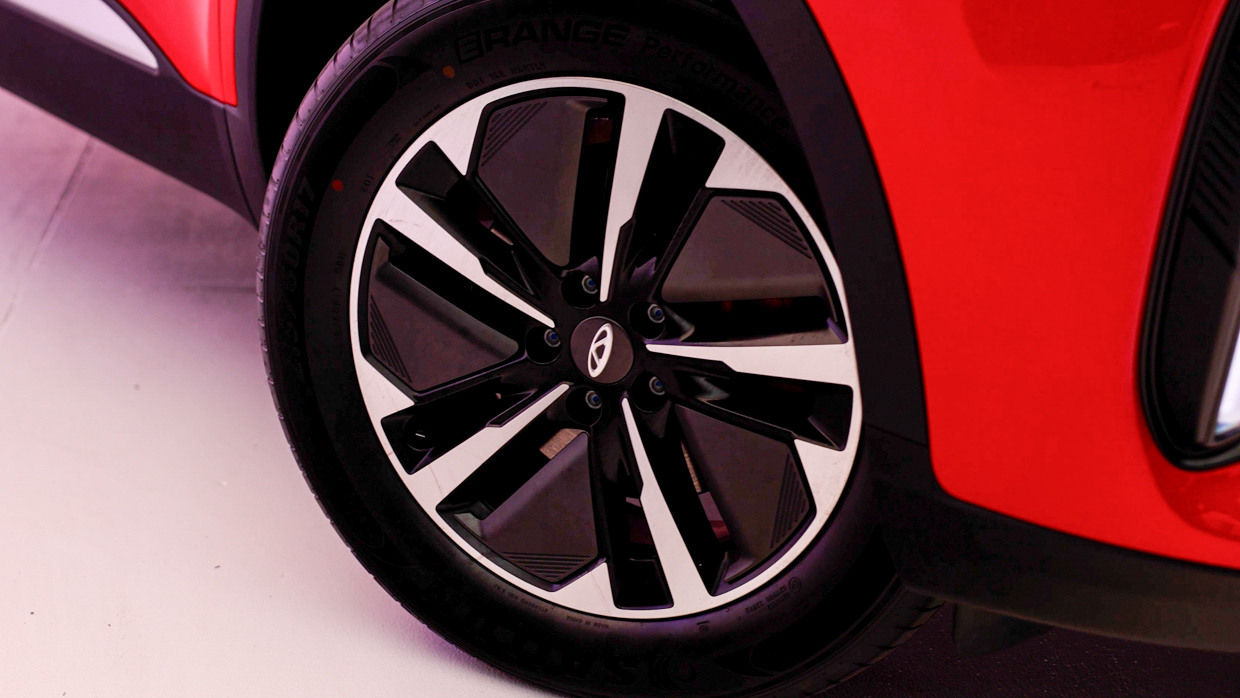
For an extra $3000 (reduced from a $5000 upcharge), the Ultimate variant includes:
Now that the Ultimate is substantially cheaper, it offers a degree of additional equipment that could theoretically make life easier and/or better compared to the more basic Urban.
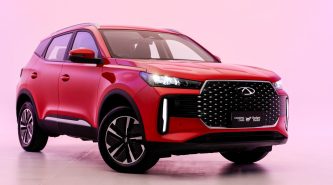
The Tiggo 4 is offered in only five colours – Martian Red, Mercurial Grey, Lunar White, Space Black, and Lunar Silver.
The USP of a hybrid-engined small SUV is being able to potter about town comfortably and efficiently – something that generations of great small cars have excelled at, right back to the Volkswagen Beetle. Unfortunately, the Tiggo 4 Hybrid is not one of those vehicles.
Instead, it stumbles along attempting to reconcile multiple unrelated flaws that, when mashed together, make this Chery uncomfortable to drive and an unpleasant car to be in.
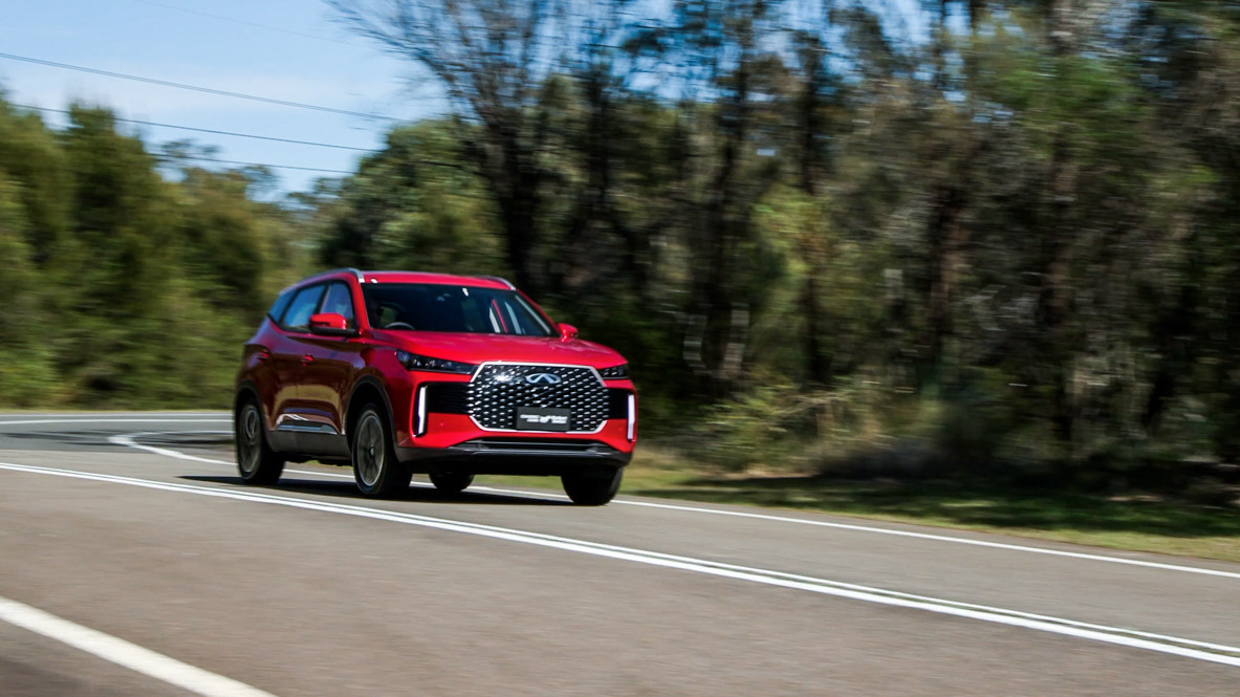
The chief offender is the hardest to explain, and potentially impossible to fix without serious re-engineering. It relates to cabin pressure.
As soon as the Tiggo 4 starts moving – windows up, stereo off – passengers start to feel like they need to pop their ears, and yet when they do, it makes no difference to this discomforting pressure sensation.
Drop the front windows a little and it goes away, or turn the poor-quality stereo up as loud as you can tolerate and it can be drowned out, but this is not joyful motoring. And to prove that this pressure problem really is a thing, if you shut one of the rear doors forcefully, the tailgate rattles and tries to burst open.
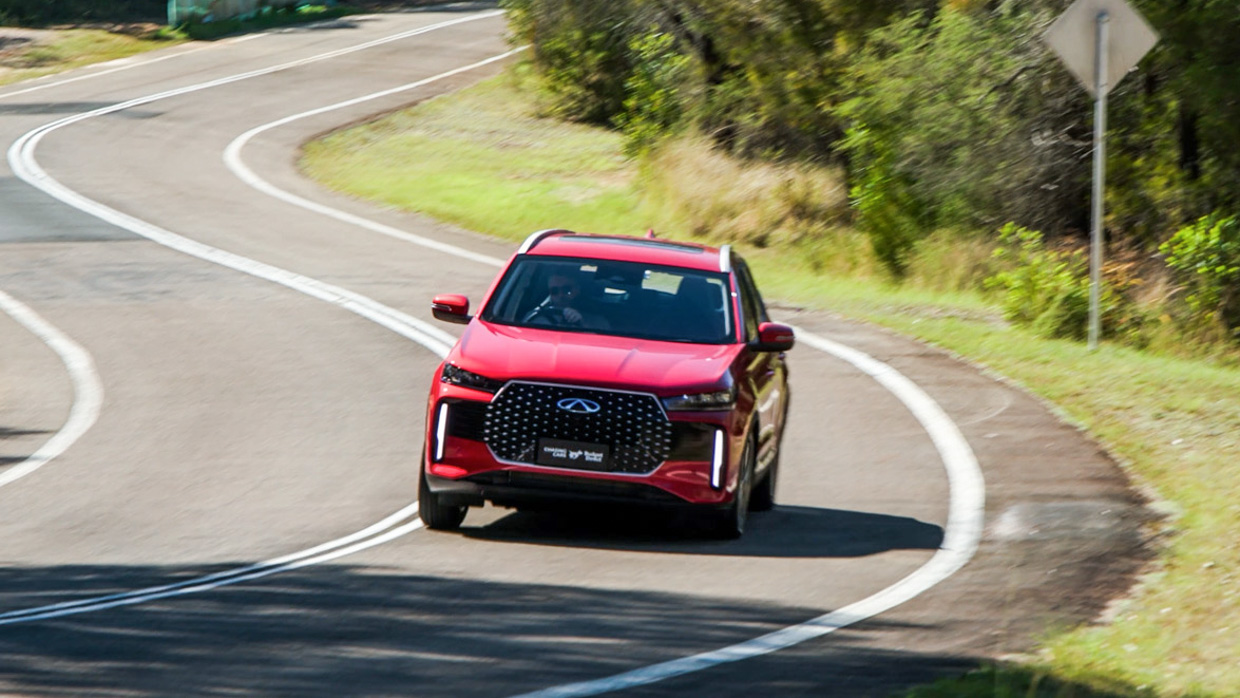
Compounding that issue is the Tiggo 4’s pounding ride. Even with its relatively high-profile 215/60R17 tyres inflated to the recommended 36psi (2.48bar), it feels more like 55psi (3.8bar), such is the level of agitation and lack of absorbency in all situations, from low-speed urban commuting to country-road cruising.
And the tyres themselves are junk – cheap Sailun E-Range E-Performance rubber designed for low rolling resistance that instead provide minimal grip and premature tyre howling when hurried.
The thing is, you can genuinely hurry the Tiggo 4 Hybrid. Push through the woeful lack of tyre grip and non-existent steering feel and there’s an acceptable level of handling composure, combined with strong (and loud) drivetrain response from the Tiggo 4’s hybrid system in Sport mode. But no one is ever going to drive it like that.
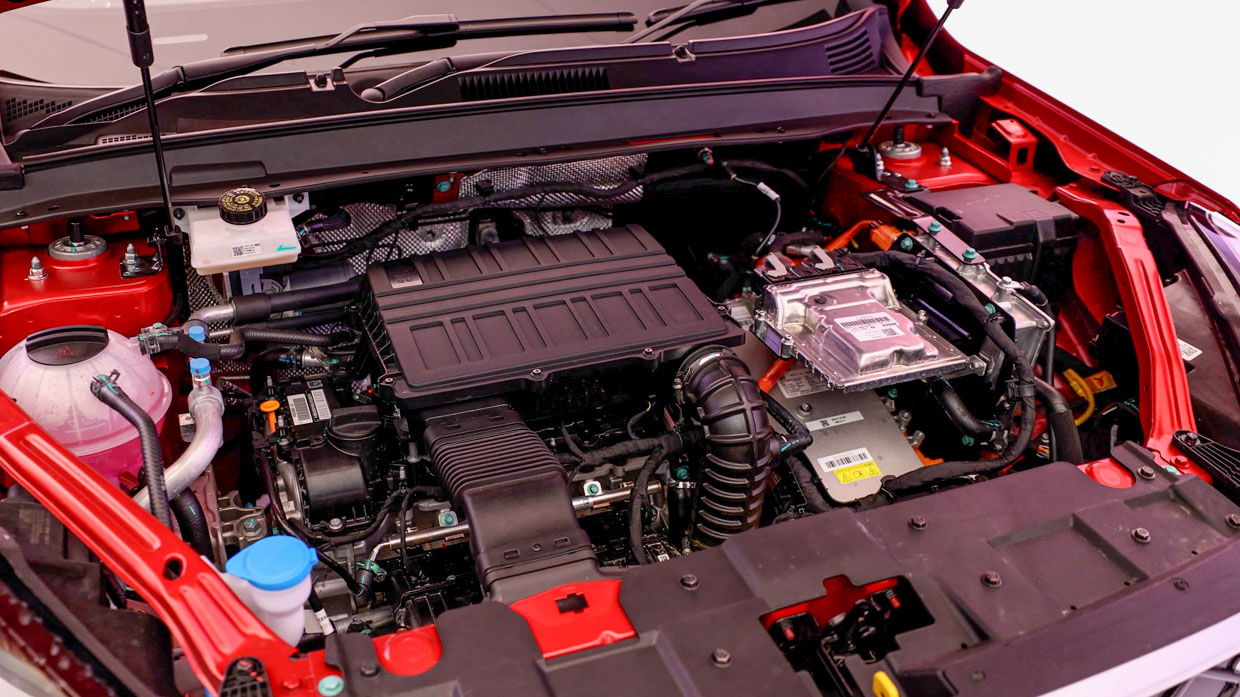
Instead, they’ll notice how the powertrain – a humble 71kW/120Nm 1.5-litre multi-point injected four-cylinder combined with a 150kW/310Nm electric motor – operates best in Eco mode, where it relies on quiet battery torque rather than an ageing engine screaming its head off.
What anyone attuned to driving will also notice is the vague steering’s stickiness around straight ahead, its artificial feel and its non-existent communication with the front wheels.
So if it sounds like the Tiggo 4 Hybrid is a difficult car to drive smoothly – as well as a difficult car to enjoy driving or even enjoy travelling in – that is the depressing reality.
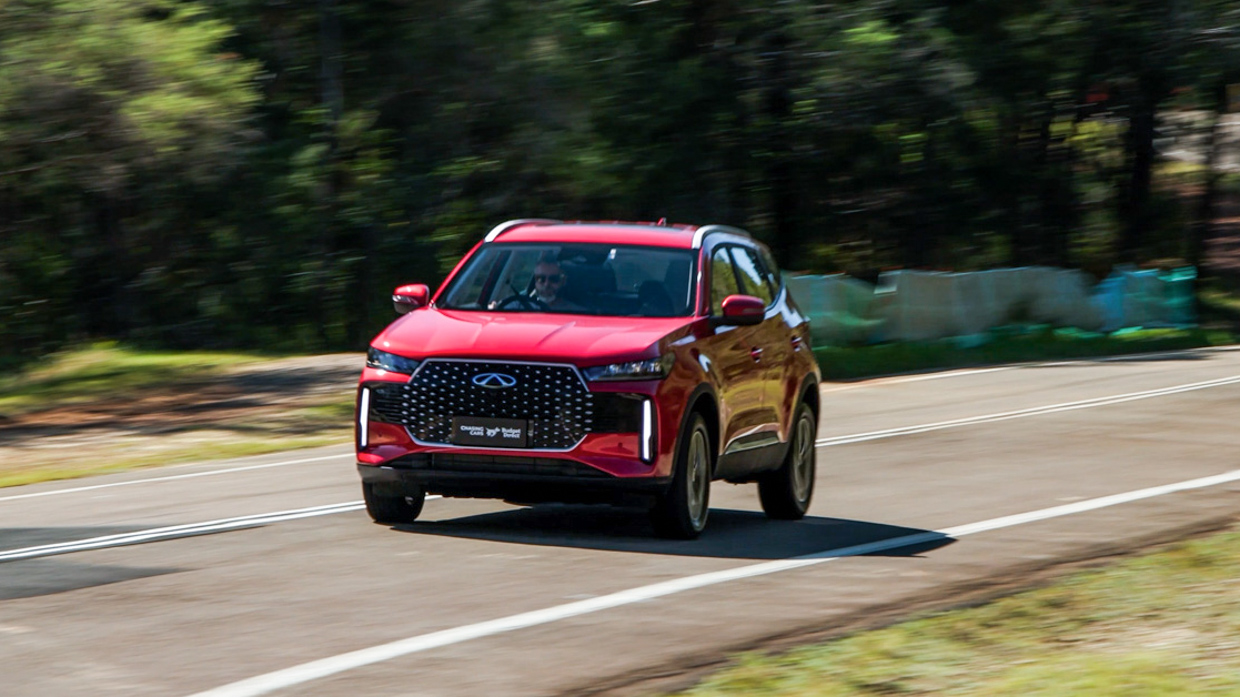
Even the brakes require some brain recalibration. The level of powered brake assist is so minimal that the first time you pull up to a set of lights, it’s guaranteed you’ll run over the white line while not braking hard enough.
Given this is an eight-year-old car at its core, Chery has performed miracles in making the Tiggo 4 Hybrid Ultimate’s interior look, and even feel, up-to-date and of decent quality.
From the cushioned, stitched dashboard ‘muffin top’ to doors featuring proper grab handles that are upholstered and stitched, this Chery goes above and beyond bargain basement.

The front doors also take full-size water bottles so there’s a degree of utility here too, combined with unexpected luxuries such as four one-touch power windows, walk-away lock/approach unlock (with electric-mirror auto-fold on this Ultimate version) and an upholstered steering-wheel rim in this Ultimate variant.
The centre console features a 15W wireless charger with rubberised tray sited underneath the floating upper console section – making it too easy to forget that your phone is down there.
There’s a pair of 10.25-inch screens, the infotainment one featuring wireless Apple CarPlay/Android Auto playing through an upgraded stereo with six-speakers in this Ultimate variant – all of which are poor quality.
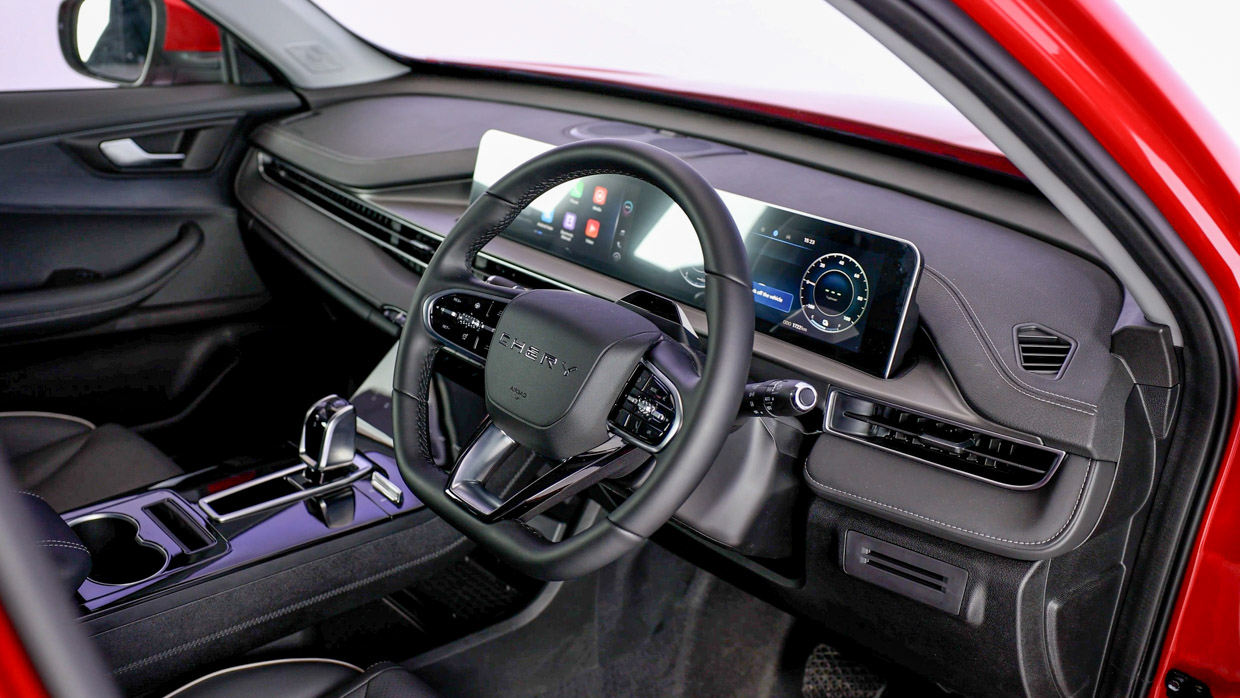
The high-backed front seats offer good lateral support for your back but lack commensurate support in the cushion, and only the driver’s seat gets height adjustment (along with six-way electric adjustment, electric lumbar, and clammy vinyl upholstery in the Ultimate) – leaving the front passenger sitting very high.
Indeed, with its raised hip-point and the limited vertical travel for its adjustable B-pillar seatbelt height, it’s clear that the Tiggo 4 has been packaged for smaller people who like an elevated view. Even the Ultimate’s sunroof is tiny.
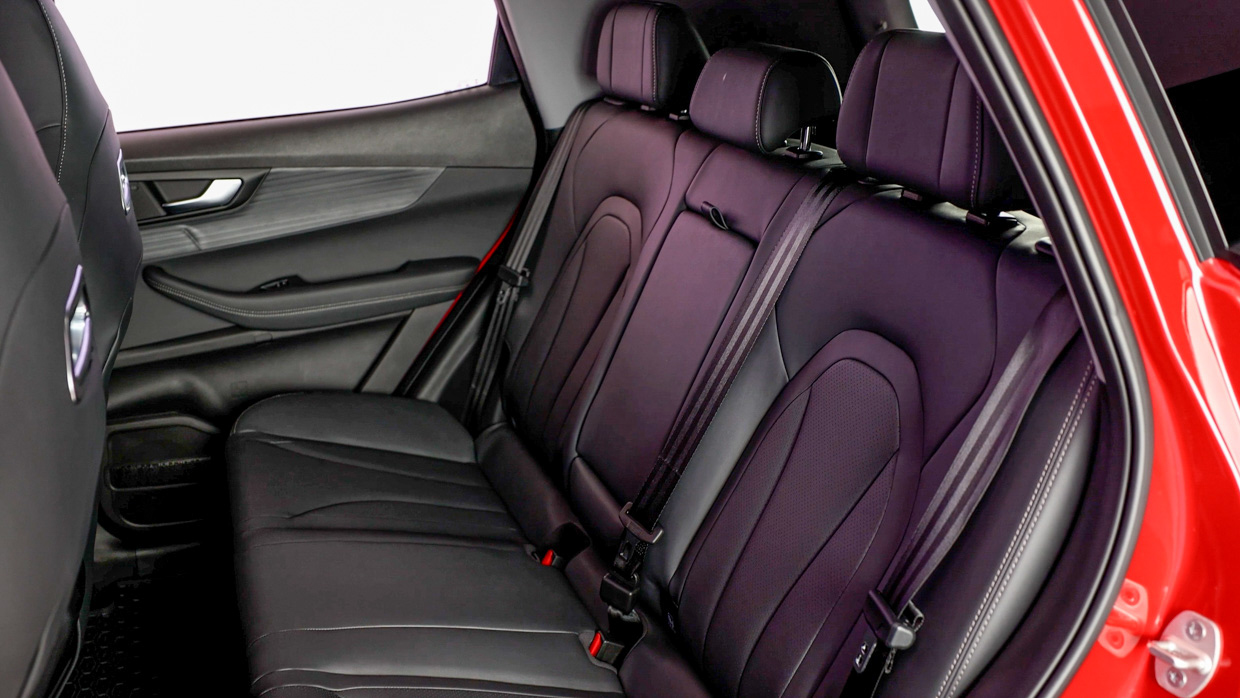
Yet the reverse is true for the rear seat. You sit quite low on a cushion lacking under-thigh support, staring into the backrests of the chunky front seats – especially the person forced to sit behind the non-height-adjustable front passenger’s seat.
There’s surprisingly generous headroom and a relatively flat floor, but legroom is only okay, the centre-rear backrest is unyieldingly hard, and there’s only one air vent and one USB-A port – giving kids plenty to fight about and not much vision to enjoy.
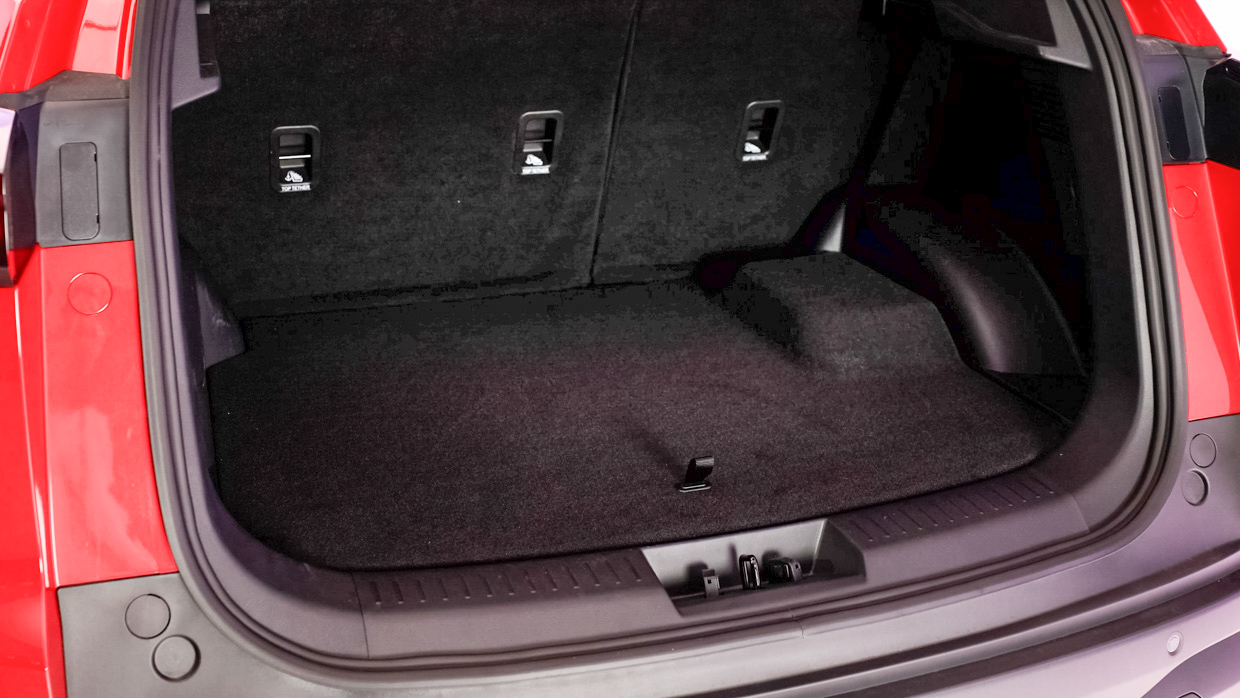

Finally, to the Tiggo 4’s boot. Chery only provides a floor-to-ceiling measurement (470 litres), which is deceptively voluminous, though there’s decent space for a small SUV and the Ultimate gets a space-saver spare under the floor.
Weirdly, the Hybrid version also gets a large rectangular lump under the carpet … which is the 12V battery, clumsily relocated from the engine bay to make room for an electric motor. That said, carpet quality back there is surprisingly good.
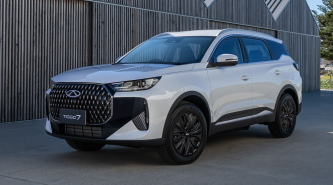
The Chery Tiggo 4 has been awarded a five-star rating by ANCAP for its crash-test performance and electronic active-safety features, yet they were allowed to use the crash-test data of the larger and newer Tiggo 7 to reach that conclusion … which, in our opinion, is borderline scandalous and shouldn’t be believed or trusted.
The Tiggo 4 is yet to receive an NCAP rating in Europe.
Standard safety equipment on the 2025 Chery Tiggo 4 Hybrid Ultimate includes:
While the Tiggo 4 may be an ageing car with a suspension tune unsuited to Australian roads, its active-safety systems have seen extensive local recalibration work and are surprisingly unobtrusive in their operation, with a comparatively finessed approach to intervention compared to where Chery’s ADAS was two years ago.
The driver attention monitoring can actually be left on given how well it is at not being annoying. And while the same can’t really be said for the lane-keep assistance, the Tiggo 4’s electric steering is so numb that the only time you’re ever going to get any feel from it is when the lane-assist starts tugging at the wheel!
The combined fuel-consumption figure for the Tiggo 4 Hybrid Ultimate is 5.4L/100km, which is 27 percent less than the thirsty Tiggo 4 non-hybrid (7.4L/100km), but the Hybrid’s improved efficiency merely brings the Tiggo 4 closer to the rest of the small SUV class.
In comparison with other hybrids, the consumption of its competitors includes the Haval Jolion Hybrid (5.1L/100km) and Honda HR-V Hybrid (4.2L/100km), though its best rivals are vastly superior – the Hyundai Kona Hybrid (3.9L/100km) and Toyota Yaris Cross Hybrid (3.8L/100km).
On test, the Tiggo 4 Hybrid averaged 5.4L/100km in solely urban driving and 6.7L/100km including dynamic and performance driving – reasonable economy if the trip computer is to be believed.
The Tiggo 4 Hybrid drinks 91RON regular unleaded.
Recommended service intervals are every 12 months or 15,000km, with the Chery’s five-year/75,000km servicing cost being $1495.
Chery’s new-vehicle warranty in Australia is seven years/unlimited kilometres for private buyers, including seven years of roadside assistance if you maintain your service schedule with a Chery dealer.
The Tiggo 4 Hybrid is an easy car to be attracted to, but a difficult car to like.
Ironically, when doing the things the Tiggo 4 Hybrid should be best at (which is driving at moderate speeds and pottering around town) it isn’t very good. Unless you drive at a glacial pace and make almost no demands of your vehicle, this isn’t a smooth and comfortable car to spend time in.

And then there’s the price – $32,990 driveaway for this top-spec Hybrid Ultimate (which has just been lowered $2000 to improve its value). You’re potentially better off with the Urban spec of this car ($29,990 driveaway) because the less spent on a Tiggo 4, the better.
The smart option would be to look at one of its many superior alternatives for near-identical money.
The MG ZS Essence Hybrid – the Chery’s main competitor – costs $34,990 driveaway in top-spec form, but that’s a brand-new car on a brand-new platform, with a brand-new interior package, and it feels like it.
European rivals include the excellent Skoda Kamiq Select (currently $29,990 driveaway, including a seven-year warranty) and related Volkswagen T-Cross Life (currently $32,990 driveaway).
If you want Japanese, the top-spec Toyota Yaris Cross Hybrid Urban is $36,930 (before on-road costs) while the size-larger base Corolla Cross Hybrid is $37,440 (before on-road costs). And there’s the class best-seller from South Korea – the Hyundai Kona Hybrid – at $36,950 (before on-road costs).
What all these much newer, more sophisticated small SUVs do is expose both the Tiggo 4’s ancient underpinnings (for a Chinese car) and its inherent flaws, which in some cases make it difficult to live with – abrasive ride quality and uncomfortable cabin-pressure refinement being the chief offenders.
If you must buy a Chery Tiggo 4, do not spend any more than $23,990 driveaway. For its spurious $6000 premium, the Hybrid version isn’t good value, and adding another $3000 onto that for the Ultimate spec makes this Chery far too expensive for what it is.
Key specs (as tested)
About Chasing cars
Chasing Cars reviews are 100% independent.
Because we are powered by Budget Direct Insurance, we don’t receive advertising or sales revenue from car manufacturers.
We’re truly independent – giving you Australia’s best car reviews.
The estimate provided does not take into account your personal circumstances but is intended to give a general indication of the cost of insurance, in order to obtain a complete quote, please visit www.budgetdirect.com.au. Estimate includes 15%^ online discount.
^Conditions Apply
Budget Direct Insurance arranged by Auto & General Services Pty Ltd ACN 003 617 909(AGS) AFSL 241 411, for and on behalf of the insurer, Auto & General Insurance Company Limited(ABN 42 111 586 353, AFSL 285 571).Because we don’t know your financial needs, we can’t advise you if this insurance will suit you. You should consider your needs and the Product Disclosure Statement before making a decision to buy insurance. Terms and conditions apply.
Indicative quote based on assumptions including postcode , 40 year old male with no offences, licence suspensions or claims in the last 5 years, a NCD Rating 1 and no younger drivers listed. White car, driven up to 10,000kms a year, unfinanced, with no modifications, factory options and/or non-standard accessories, private use only and garaged at night.
^Online Discounts Terms & Conditions
1. Discounts apply to the premium paid for a new Budget Direct Gold Comprehensive Car Insurance, Third Party Property Only or Third Party Property, Fire & Theft Insurance policy initiated online on or after 29 March 2017. Discounts do not apply to optional Roadside Assistance.
2. Discounts do not apply to any renewal offer of insurance.
3. Discounts only apply to the insurance portion of the premium. Discounts are applied before government charges, taxes, levies and fees, including instalment processing fees (as applicable). The full extent of discounts may therefore be impacted.
4. We reserve the right to change the offer without notice.